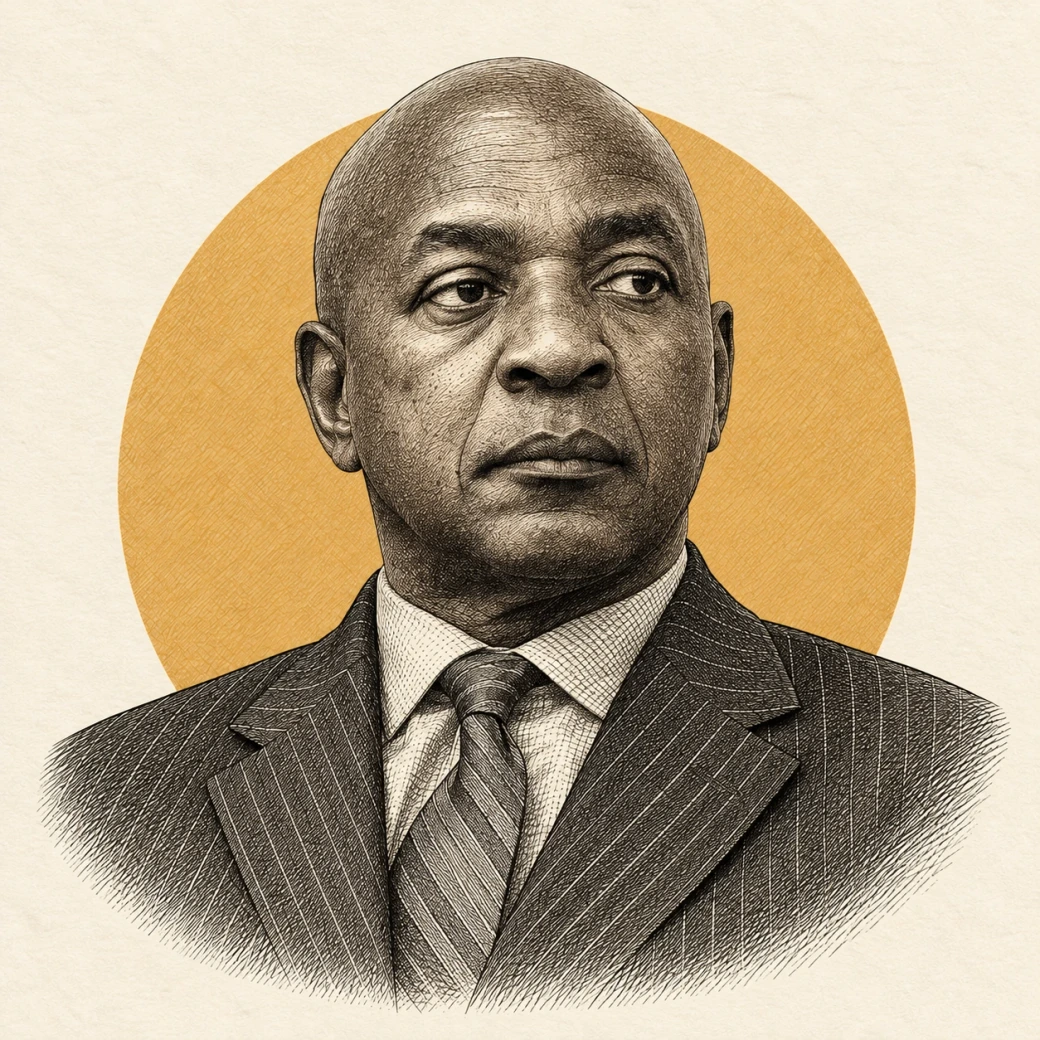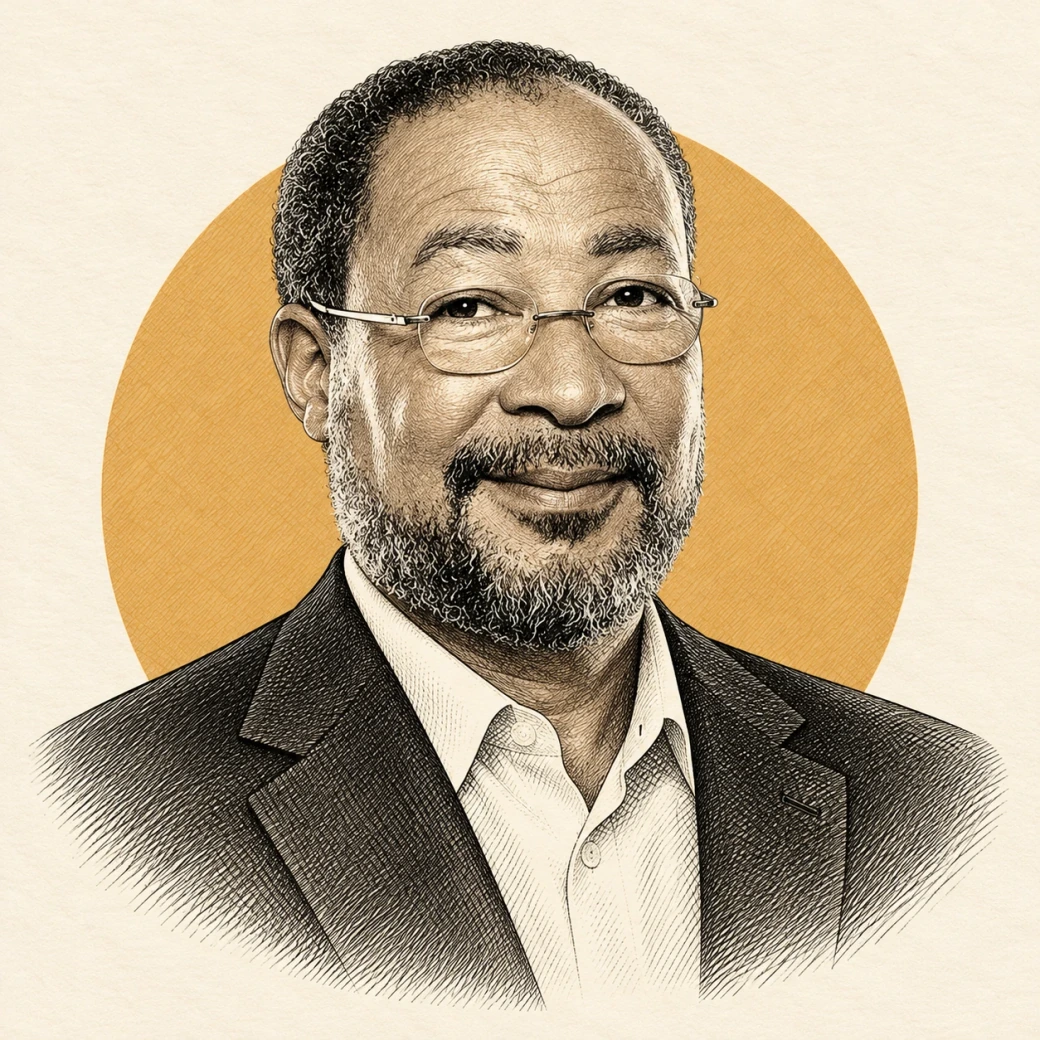
In 2017, Andre M. Davis left a lifetime appointment on a federal appeals court to become Baltimore's city solicitor. He had spent thirty years on state and federal benches. His next job put him inside city government, responsible for the lawyers who represented Baltimore and for helping implement a federal agreement to reform its police department.
Davis was born in Baltimore in 1949. After earning a bachelor's degree at the University of Pennsylvania in 1971, he studied law at the University of Maryland, graduating in 1978. Two clerkships introduced him to federal judging: one with Frank A. Kaufman in Baltimore's federal trial court, followed by another with Francis D. Murnaghan Jr. on the Fourth Circuit.
His early practice involved both defending the public's rights and representing the government. From 1980 to 1981, Davis worked on appeals in the Justice Department's Civil Rights Division. He then became an assistant U.S. attorney in Maryland, handling civil and criminal cases. After private practice, he joined the University of Maryland law faculty in 1984. Teaching continued alongside his later judicial work, in several capacities, through 2014.
Maryland's courts gave Davis his first judicial appointments. He joined the District Court of Maryland for Baltimore City in 1987 and the city's Circuit Court in 1990. President Bill Clinton appointed him to the federal district court in 1995. Clinton nominated him to the Fourth Circuit in 2000, but the Senate never voted on that nomination. A second nomination, from President Barack Obama in 2009, brought confirmation and a return to the court where Davis had clerked for Murnaghan.
Taking senior status in 2014 did not immediately mean stepping away from cases. Davis continued with a full caseload and also heard appeals as a visiting judge on the Sixth and Ninth Circuits. He retired from the federal bench on August 31, 2017, and became Baltimore's city solicitor the following day. The work changed from deciding disputes to advising a city and managing its legal responsibilities.
A 2018 account of his municipal role described a department of 110 staff members, including 65 lawyers. Davis also sat on the Board of Estimates, the city's spending authority. Police reform was among his responsibilities: the city and the Justice Department had agreed to a federal consent decree after an investigation of Baltimore police practices. The judge who had spent years reviewing government action was now helping a government carry out its obligations.