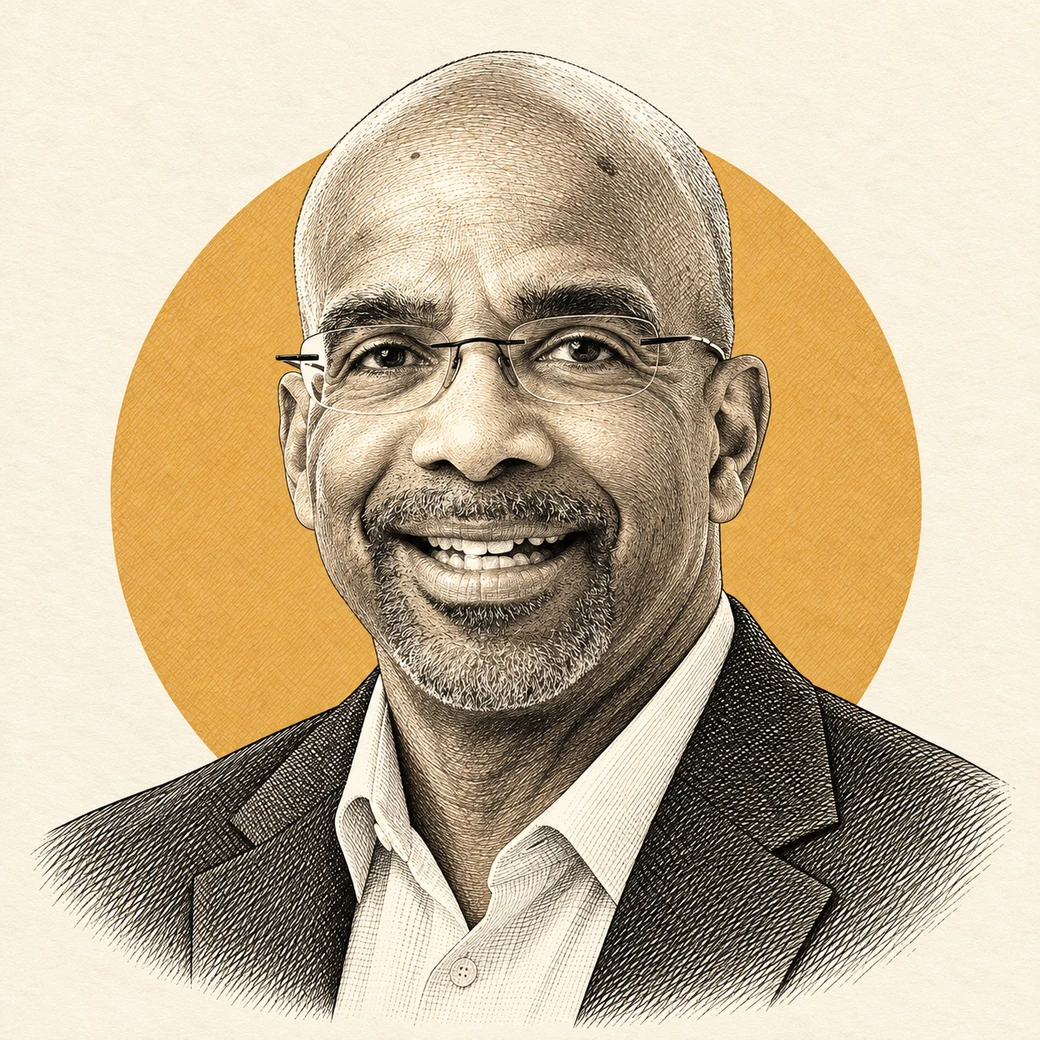
Anthony C. Watkins is a transplant surgeon and associate professor of surgery at Thomas Jefferson University's Sidney Kimmel Medical College in Philadelphia. He joined Jefferson as enterprise director of kidney transplantation in March 2026. His earlier clinical work included kidney and pancreas transplantation and laparoscopic surgery to remove kidneys from living donors. Alongside operating and directing clinical programs, he has worked in surgical education and on efforts to improve access to transplantation for Black patients.
Watkins's interest in medicine was influenced by his grandfather, who was a surgeon. He earned his medical degree at the University of Tennessee College of Medicine, then completed a general surgery residency at Rutgers New Jersey Medical School. He continued with an abdominal multi-organ transplant surgery fellowship at New York-Presbyterian/Columbia Medical Center. He is board certified in general surgery.
In New York, Watkins was an assistant professor at Weill Cornell Medicine and an attending surgeon at NewYork-Presbyterian Hospital/Weill Cornell Medical Center. He directed the general surgery residency program and was surgical director of the Skills Acquisition & Innovation Laboratory. He has also spoken about the importance of connecting with patients. Before moving to Tampa General Hospital, he was an attending transplant surgeon and clinical assistant professor of surgery at NYU Langone Health.
At Tampa General, Watkins directed kidney and pancreas transplant surgery. In 2024, he worked to establish an African American Transplant Program intended to address disparities in access. The American Society of Transplant Surgeons announced the initiative that May, with an expected opening in September. Its goals included equitable care and opportunities for patients to see providers who shared their background. That announcement also identified Watkins as the incoming chair of the society's Diversity, Equity, and Inclusion Committee.
His publications examine the experience of Black surgical trainees and racial and gender disparities in the transplant surgery workforce. Watkins coauthored a 2019 study in Surgery with Brendan Finnerty as first author. The investigators retrospectively reviewed 133 patients at one center, comparing outcomes after surgery or medication for overactive parathyroid glands following kidney transplantation. The review described associations between treatment and outcomes in existing patient records. In Jefferson's summer 2026 surgery newsletter, transplant leader James Guarrera credited Watkins with introducing new protocols intended to increase the use of organs from deceased donors.