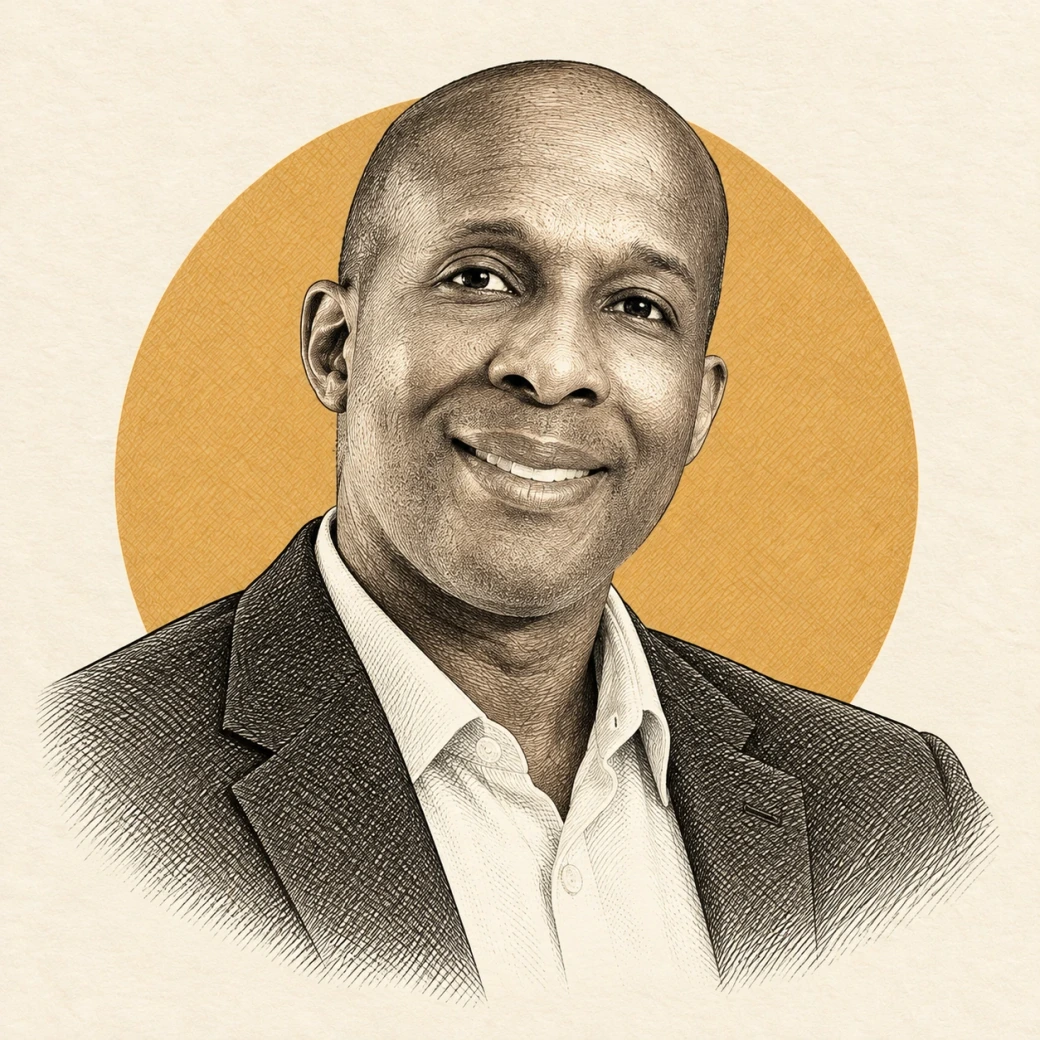
Augustus Aaron White III grew up in Memphis, Tennessee, and graduated from Brown University in 1957. An account preserved by Brown's Inman Page Black Alumni Council describes his participation in football and his developing interest in sports injuries. His medical education followed at Stanford, where he graduated in 1961. Harvard identifies him as the medical school's first African American graduate.
White's training included an internship at the University of Michigan, general surgery at Presbyterian Medical Center in San Francisco and an orthopaedic residency at Yale, which the Harvard Gazette identifies as another institutional first for an African American physician.
He served in the U.S. Army Medical Corps from 1966 to 1968, including work as a combat surgeon in Vietnam from 1966 to 1967. He received a Bronze Star. After military service, he pursued research in Sweden, completing a doctorate at the Karolinska Institute on the biomechanics of the spine. The subject brought engineering methods into questions about the body's structure and movement.
Returning to Yale, White became a professor of orthopaedic surgery and co-founded an engineering laboratory for musculoskeletal disease. The American Orthopaedic Association also records his thirteen years as orthopaedic surgeon-in-chief at Boston's Beth Israel Hospital and his direction of the Daniel E. Hogan Spine Fellowship Program.
His university service extended beyond the medical laboratory. Brown's portrait account records terms as a university trustee and fellow, along with his leadership of committees examining race and minority life at Brown.
White became founding president of the J. Robert Gladden Orthopaedic Society and the first chair of the American Academy of Orthopaedic Surgeons' Diversity Committee. In 2010, the academy honored his leadership and mentorship with the William W. Tipton Jr. award. In the accompanying Harvard account, White credited his own mentors and discussed helping students find similar support.
After retiring from surgery in 2001, he continued researching and writing about diversity and cultural sensitivity in medicine. A May 2026 Harvard event record identifies him as an emeritus distinguished professor of medical education.