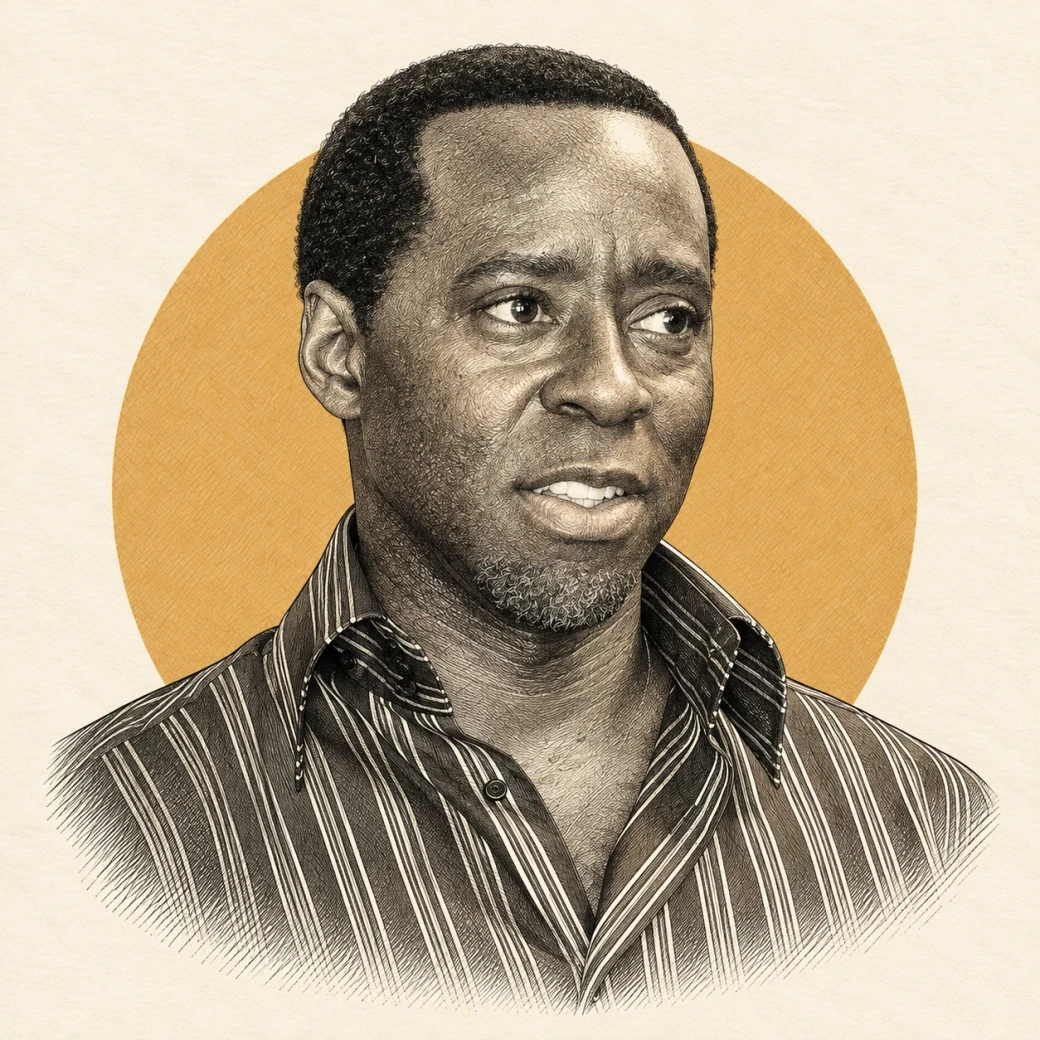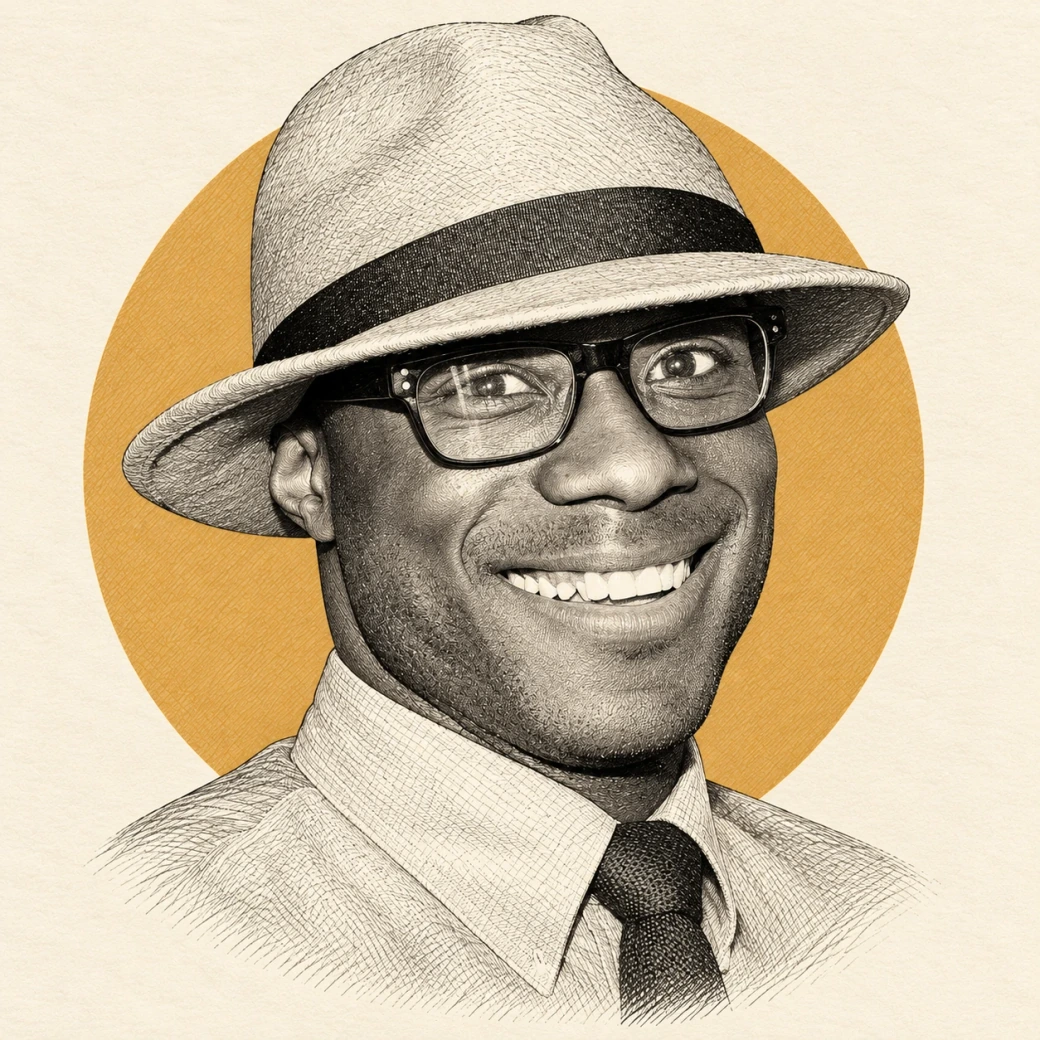
Barry Jenkins grew up in Miami and studied at Florida State University, graduating in 2003. In a 2019 interview with The Irish Times, he described the poor, Black community of his childhood as the world he knew. His work later drew on both his own experience and stories written by other authors.
His first feature, Medicine for Melancholy, appeared in 2008. It also formed part of a developing creative partnership: Florida State records his work on that film with fellow alumnus Nat Sanders. Jenkins’s subsequent film Moonlight involved a wider group of university alumni, including editor Joi McMillon, producer Adele Romanski and cinematographer James Laxton.
At the 2017 Academy Awards, Moonlight won Best Picture and adapted screenplay. The Academy credited the screenplay to Jenkins and the story to Tarell Alvin McCraney, while the Best Picture award went to producers Adele Romanski, Dede Gardner and Jeremy Kleiner.
Jenkins returned to Florida State in April 2017 for a public screening of Moonlight and a conversation with former film-school dean Frank Patterson. He also joined McMillon and Sanders for a campus discussion with students.
He went on to adapt James Baldwin’s If Beale Street Could Talk. Discussing the film in 2019, he described choices about memory and the way a story is experienced.
In 2021, The Underground Railroad brought Colson Whitehead’s novel to television as a ten-part series, with Jenkins directing and serving as an executive producer. In a published press-conference conversation, he discussed the room that the longer format offered for quieter images and for viewers to pause.
Miami has remained a recurring setting in his work, drawn from the community where he grew up.