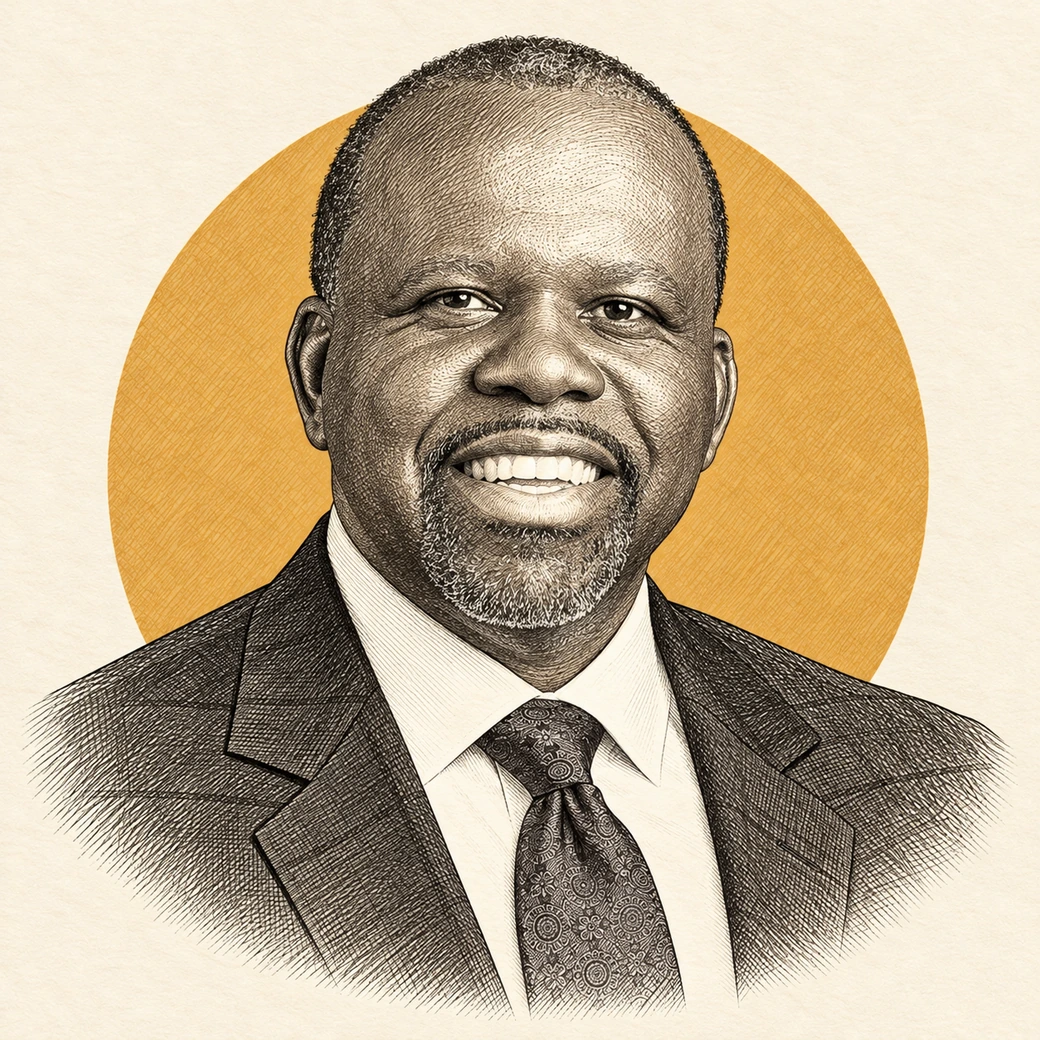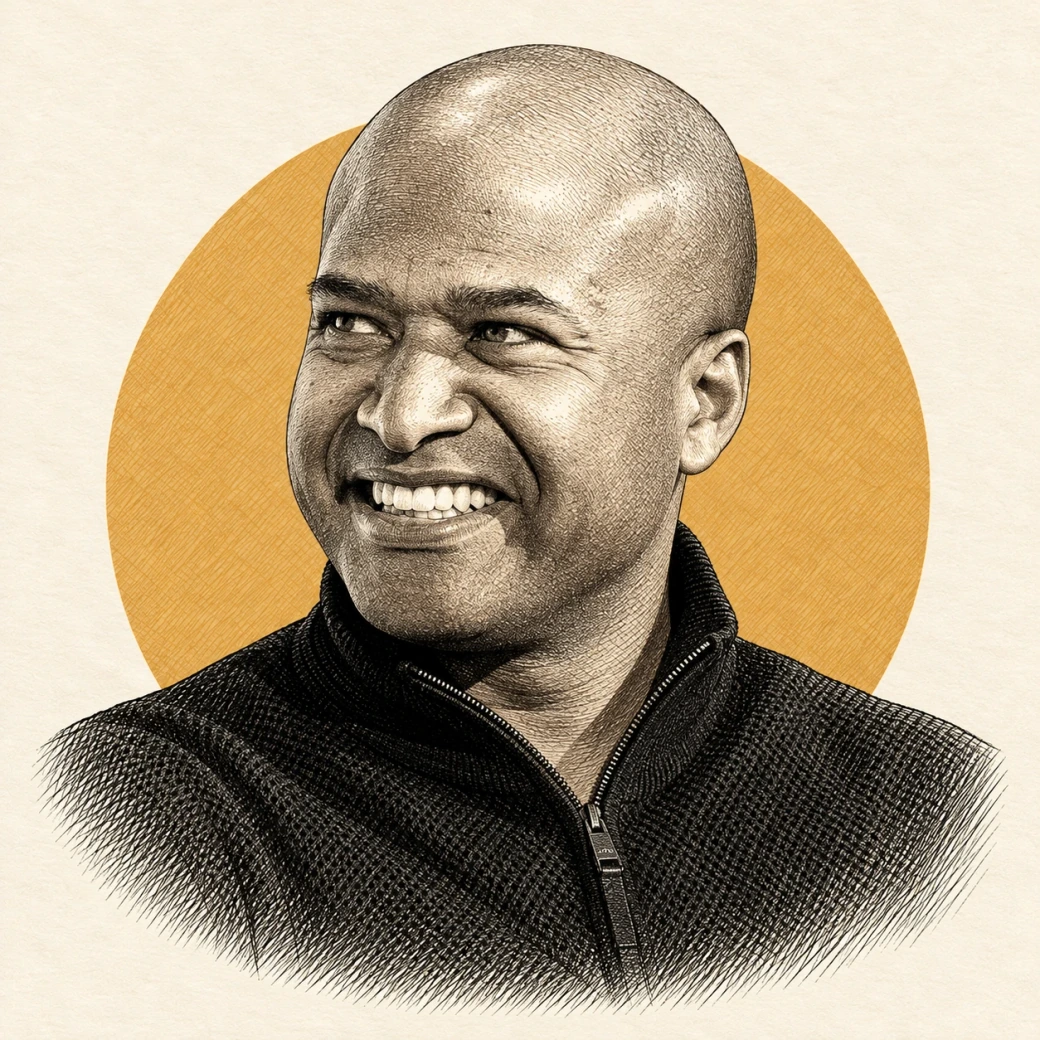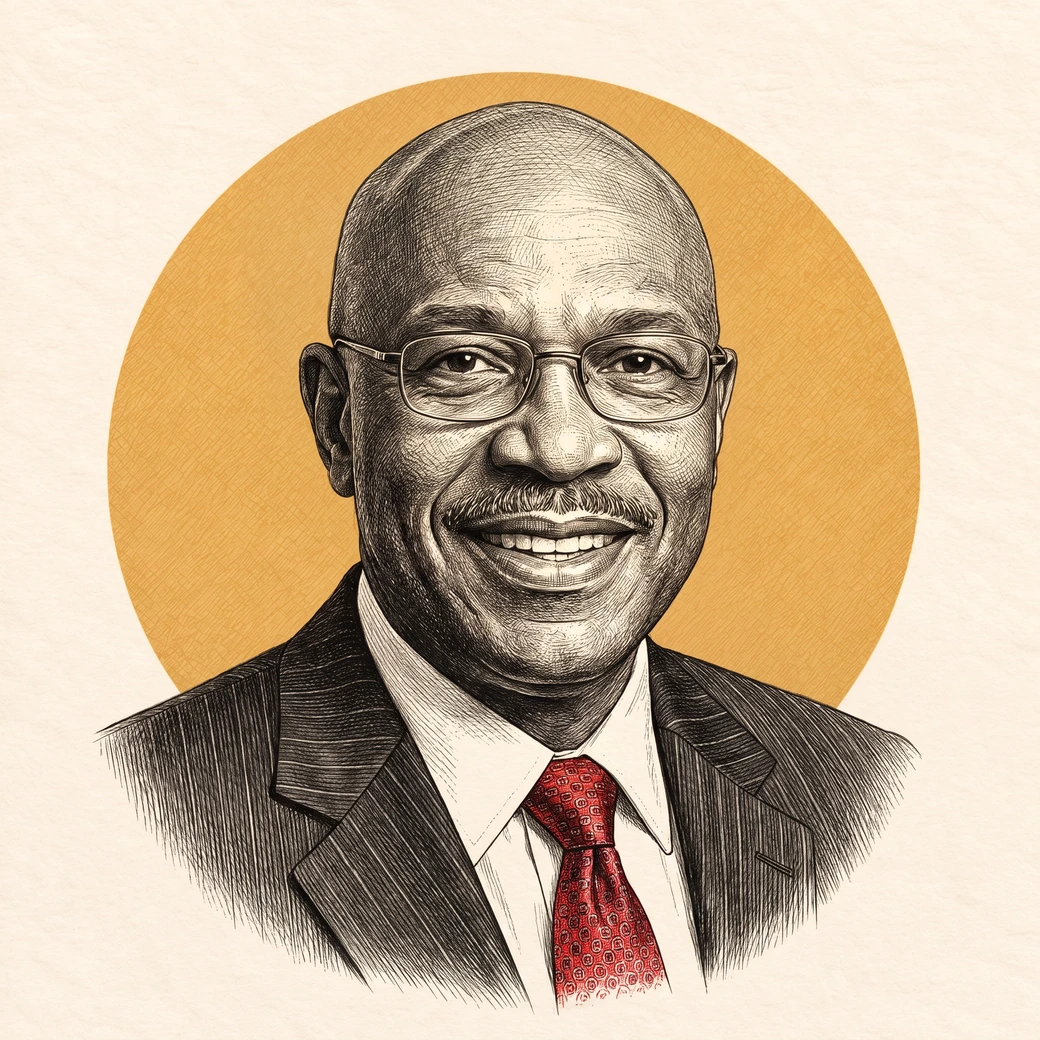
Bernard B. Beal was born in New York on February 22, 1954 and raised by his grandparents in the South Bronx. Through A Better Chance, a program that places students from low-income neighborhoods in strong schools, he attended the Wooster School in Danbury, Connecticut, graduating with top honors in 1972. After a short stretch co-owning a fast-food restaurant in the Bronx, he earned a bachelor's degree in economics at Carleton College in 1976 and an MBA at Stanford's Graduate School of Business in 1979.
Beal joined the investment bank E.F. Hutton in 1979 and chose the municipal bond desk, a field he described as a way to finance housing and healthcare. He headed the firm's College and Educational Finance Group and co-founded its Housing Finance Group, moved into corporate finance in 1985 and reached senior vice president before leaving in 1988.
In 1988, he launched M. R. Beal & Company in New York City with eight employees, concentrating on municipal finance. Municipal bonds are the securities state and local governments issue to pay for schools, housing, transit and other public projects. Minority-owned firms of the era benefited from set-aside practices in government bond deals, but Beal declined invitations from larger firms that wanted minority representation on underwriting bids without real work behind it. “We will not front for anybody,” he told the New York Times.
The firm grew to more than forty employees with offices in Chicago, Dallas, Walnut Creek and Atlanta, and broadened into corporate finance and taxable fixed-income securities. The HistoryMakers calls it the nation's oldest continuously operated minority-owned investment bank and counts it among the “big five” minority-owned firms founded in the 1980s. Black Enterprise named it Finance Company of the Year in 2001 and 2011.
Survival itself was an achievement. In the mid-1990s, new rules prohibited municipal-finance professionals from making campaign donations to officials in jurisdictions where they held contracts, and industry volume fell by about half. Many minority-owned firms reorganized or closed; M. R. Beal stayed in business, and by 2003 it had taken senior underwriting roles on some $5 billion in bond issues since its founding. Breaking into corporate finance was harder. “It's worse than a glass ceiling, because at least you can break glass,” Beal told the New York Times. “This ceiling is solid Lucite.” The firm did record successes in the field, including a role in the 2000 AT&T Wireless Services offering.
Beal's public service carried the same thread. He served on the board of New York's Metropolitan Transportation Authority, supported a New York City Housing Authority effort to convert the Forest Houses development where his family once sought an apartment into tenant-owned cooperatives, and chaired A Better Chance, the organization that had placed him at the Wooster School. He also chaired the SIFMA Foundation for Investor Education, securing funding for its Stock Market Game program, and served on the boards of the Securities Industry and Financial Markets Association, the Public Securities Association and the National Association of Securities Professionals.
In 2014, after more than twenty-five years, he closed M. R. Beal and joined Blaylock Beal Van LLC as chairman, overseeing municipal banking, underwriting, sales and trading.