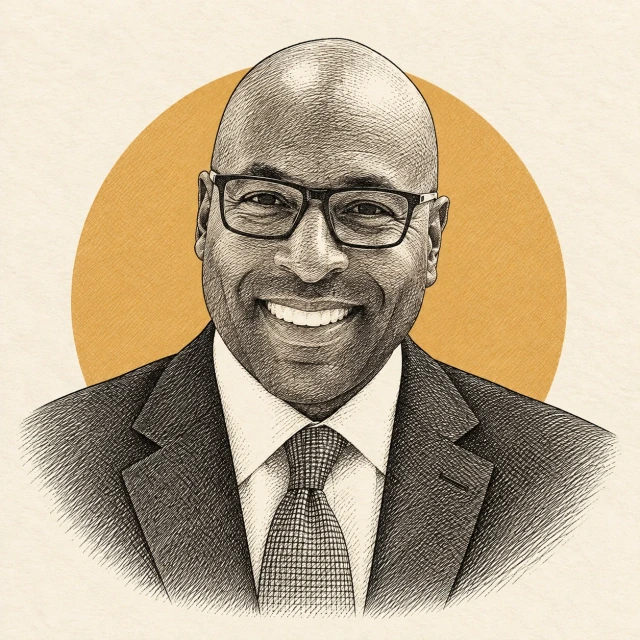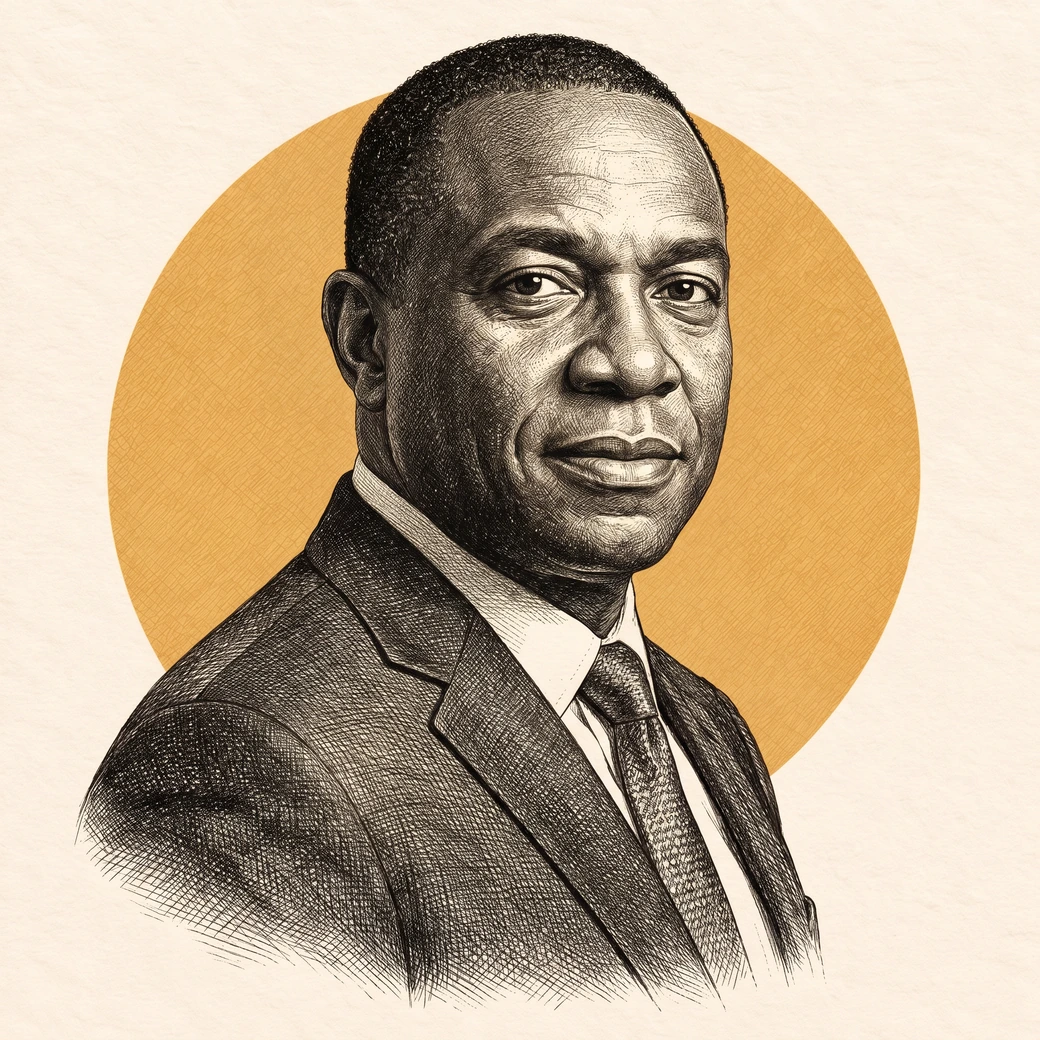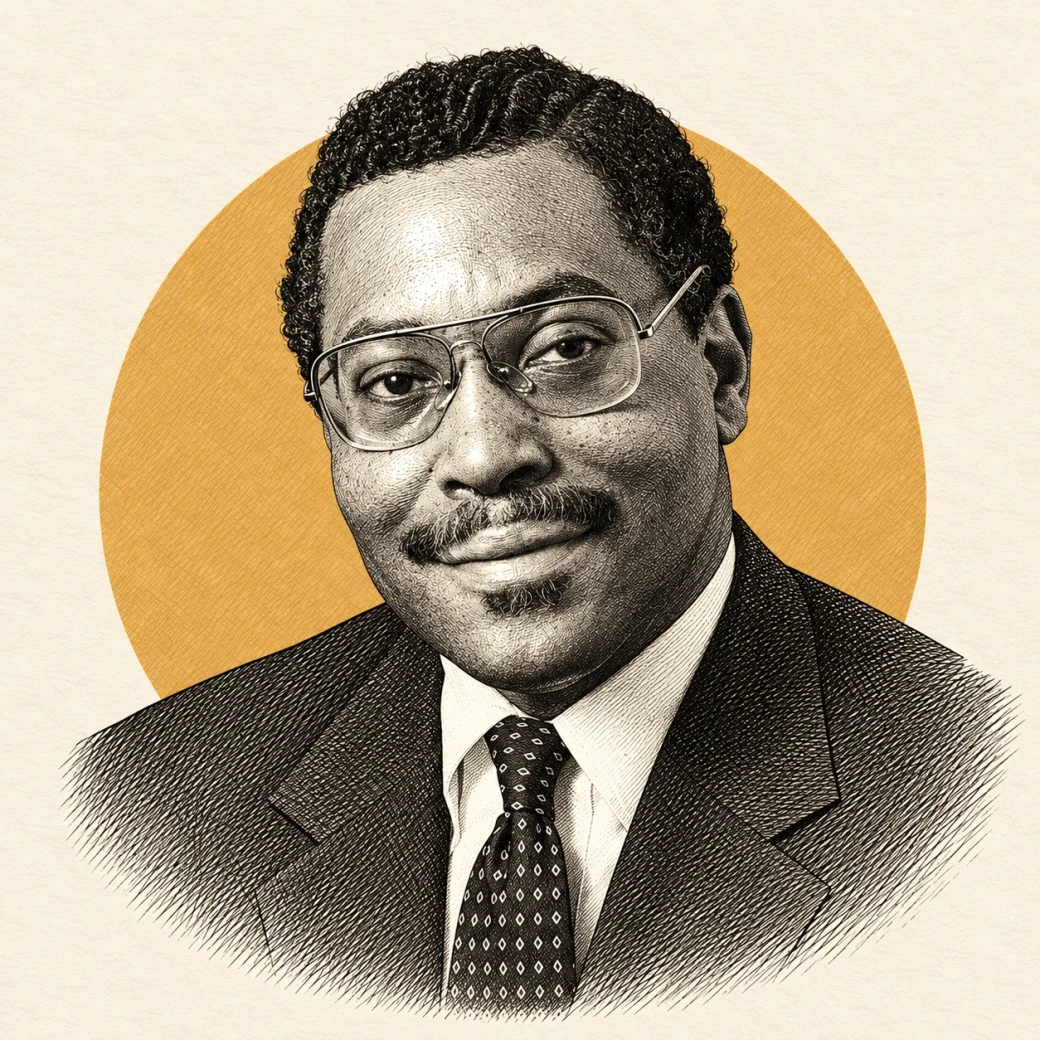
Bernard E. Anderson grew up in Philadelphia, where he saw economic inequality in the city's housing and incomes. He chose economics as a way to study that inequality, majoring in the subject at Livingstone College, a historically Black institution in Salisbury, North Carolina, and graduating with honors. At Michigan State University, he studied with Andrew F. Brimmer, who would become the first African American governor of the Federal Reserve Board, and worked as a research assistant on Brimmer's 1960 paper on credit conditions in the corporate bond market.
Anderson earned a master's degree in economics at Michigan State and a doctorate in business and applied economics at the University of Pennsylvania. He joined the Wharton School faculty and became the school's first African American tenured professor. The Whitney M. Young Jr. Professorship he held was funded in significant part by alumni of the National Black MBA Association. In that chair, he mentored a generation of economists and business students, and he wrote six books along with numerous scholarly articles.
Public service ran alongside the academic work. In 1969, he was a founding member of the Caucus of Black Economists, the organization that later became the National Economic Association. In 1991, he became the inaugural chairman of the Pennsylvania Intergovernmental Corporation Authority, the fiscal oversight board for the City of Philadelphia.
In 1993, President Bill Clinton appointed him Assistant Secretary of Labor for the Employment Standards Administration. He held the post from February 1994 to January 2001, carrying the appointment across both of Clinton's terms. BlackPast's biography records that during his tenure, the unemployment rate for Black youth reached its lowest level in twenty-five years.
The National Economic Association's Samuel Z. Westerfield Award came to Anderson in 2003. The award is named for the economist and ambassador to Liberia and recognizes an African American economist with a distinguished record of scholarship, teaching, research and public service.
His service extended through a wide set of institutions. He has served on the boards of Tuskegee University and Livingstone College, the Philadelphia Urban League, the Franklin Institute and United Bank of Philadelphia, which BlackPast describes as Pennsylvania's only African American bank. As a Rockefeller Foundation board member, he supported undergraduate programs and research at historically Black colleges and universities. The Wharton School's Center for Human Resources identifies him as the Whitney M. Young Jr. Professor Emeritus and records his continued service on Tuskegee University's board of trustees.