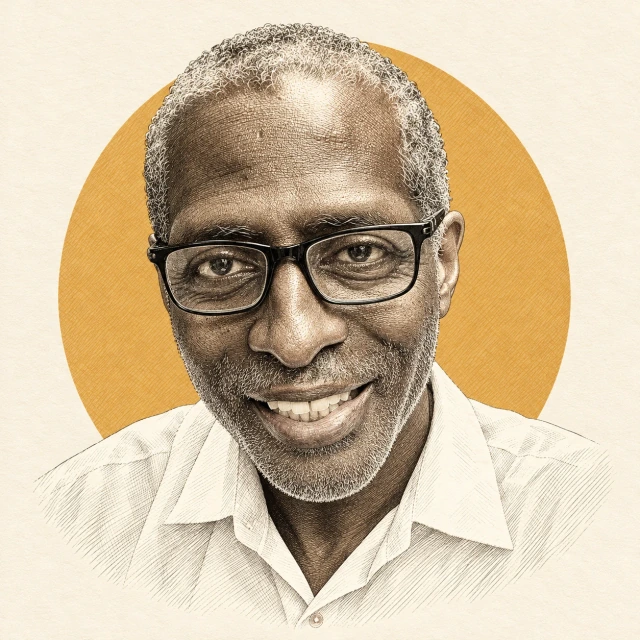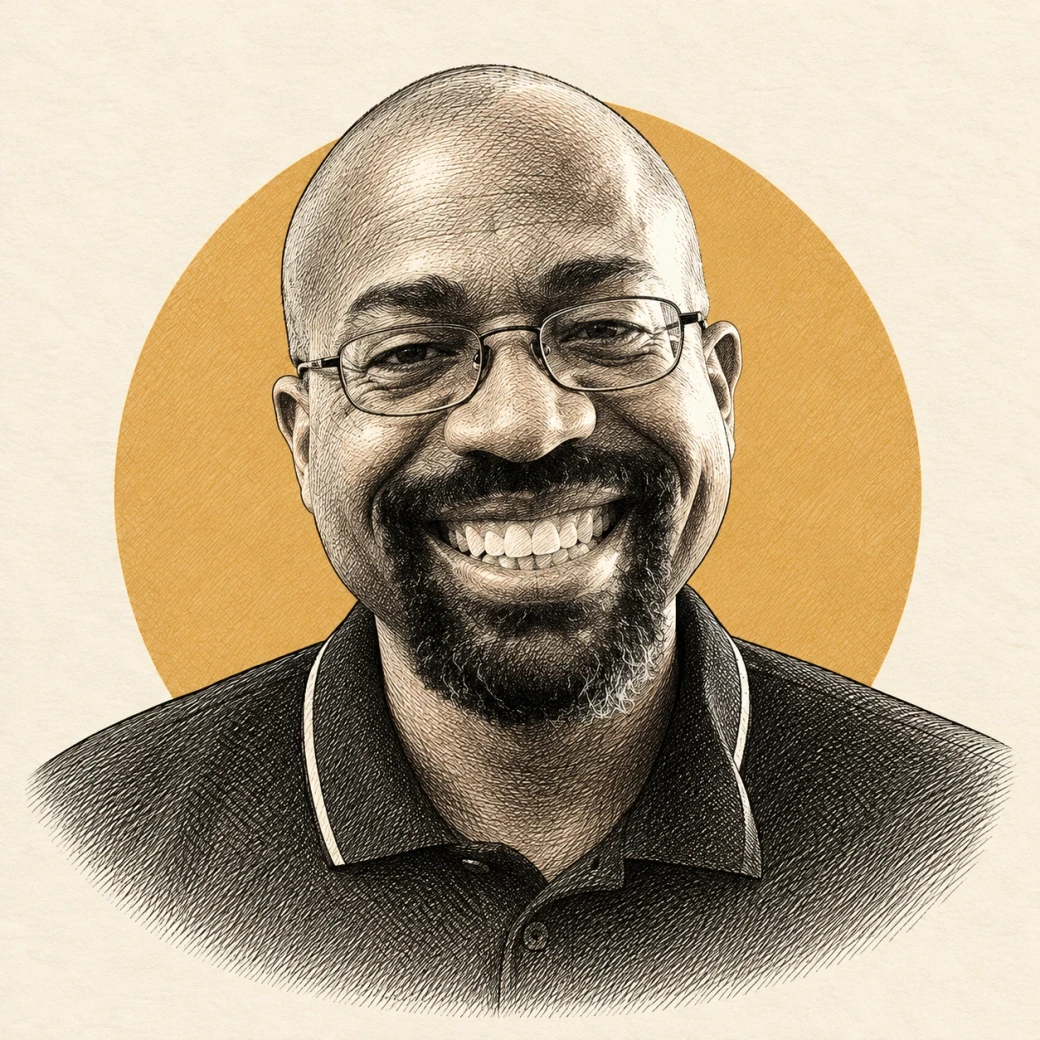
Modern computing runs on systems spread across many machines. When one machine fails, another is supposed to take over, and when a machine is compromised by an attacker, the rest of the system should contain the damage. James W. Mickens, a Black computer scientist and the Gordon McKay Professor of Computer Science at Harvard University, studies how such systems stay fast and reliable under those conditions.
Mickens earned a bachelor's degree at Georgia Tech in 2001 and a doctorate at the University of Michigan in 2008. After six years at Microsoft Research, he joined Harvard's faculty in 2015. His research asks how systems spread across many computers can remain dependable when machines fail or are attacked, and how users' information can be protected, including how web browsers handle content and how data centers store and process sensitive data.
One of his published collaborations shows the practical shape of this work. With John R. Douceur, William J. Bolosky and Brian D. Noble, Mickens coauthored the 2009 StrobeLight paper. The team developed a tool to track which computers were available across a large network and use those measurements to detect unusual changes, the kind of anomaly that can signal a failure or an attack.
Mickens has also spoken publicly about the culture of his field. In a 2020 MIT panel on racism in academia, he emphasized building supportive communities across racial lines, drawing on his own experience in computer science research.
Distributed systems research touches anyone who uses the internet, even though the user never sees the machines involved. A search query, an online purchase and a streaming video each pass through fleets of computers, and the engineering question is the same: how does a system keep working when parts of it fail or are attacked? Mickens' papers address pieces of that question, from tracking machine availability to limiting what a compromised browser can reveal.
Mickens is also known within the field for his essays and talks on the craft of systems research, which circulate among graduate students. The combination of technical work and public writing reflects a larger pattern in his career: making the field's problems, and its culture, legible to more people.