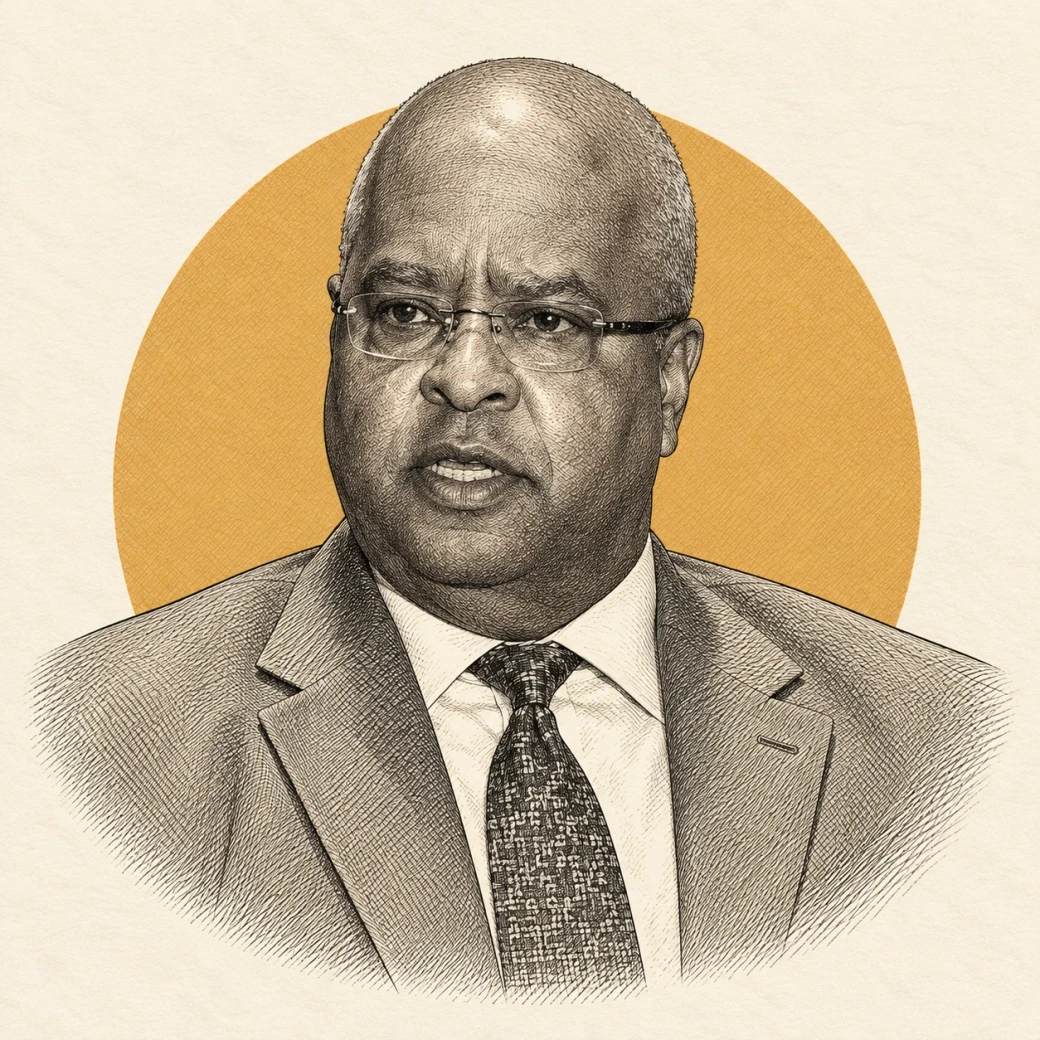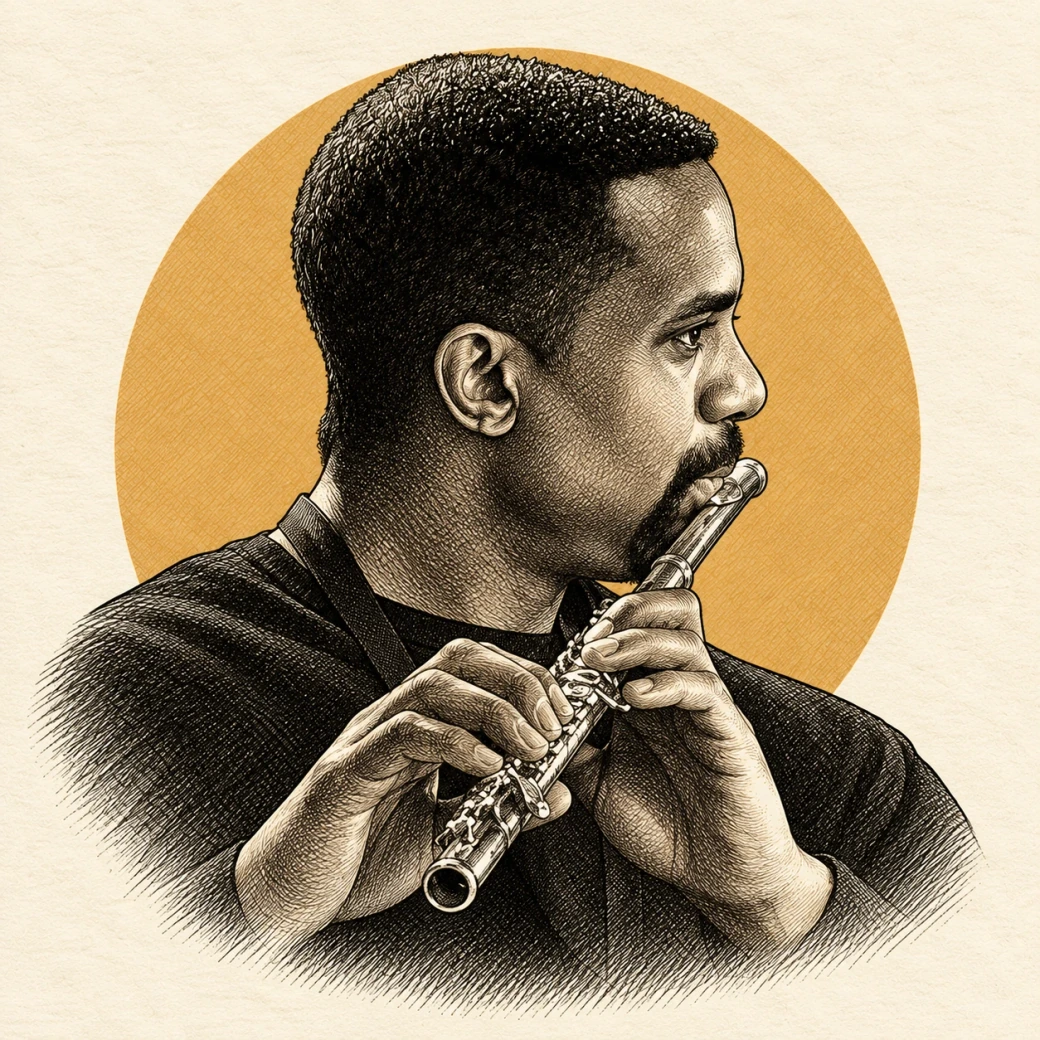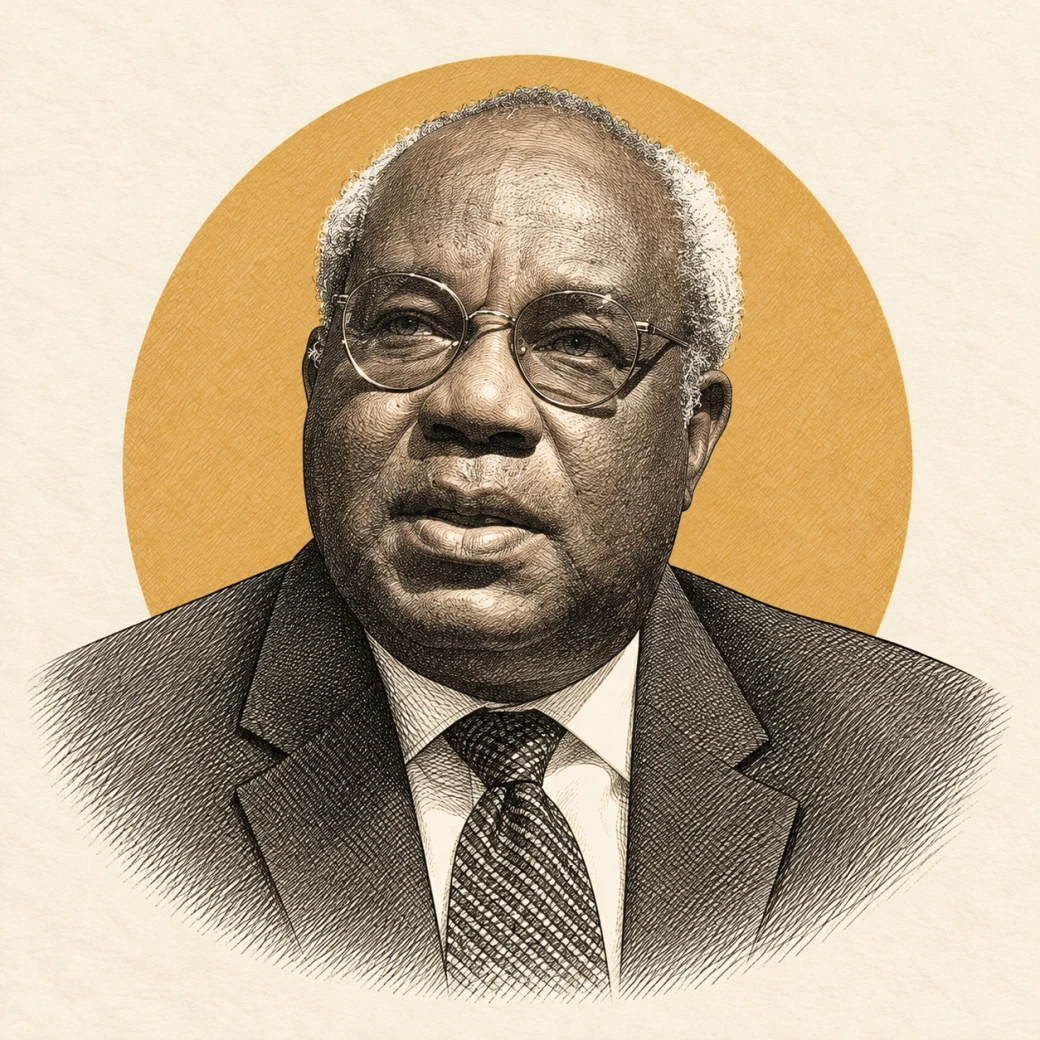
Julius L. Chambers litigated some of the era's defining civil-rights cases: Swann v. Charlotte-Mecklenburg Board of Education on school desegregation, Griggs v. Duke Power Co. and Albemarle Paper Co. v. Moody on employment discrimination, and Thornburg v. Gingles on voting rights. Several reached the Supreme Court and shaped how the law treated segregation in schools, workplaces and voting districts.
Chambers was born in Mount Gilead, North Carolina, in 1936, into the era of Jim Crow segregation, and he often traced his commitment to equality to what his father experienced under it. He graduated summa cum laude from North Carolina Central University in 1958. At the University of North Carolina law school, he finished first in his class and became the first African American editor-in-chief of the law review, a record that caught Thurgood Marshall's attention. While teaching at Columbia Law School, he earned a master of laws degree there.
Chambers was one of the first two recipients of LDF scholarships, alongside Marian Wright Edelman, and he served as LDF's first legal fellow. His association with the fund ran through nearly every role it had: intern, cooperating attorney, board member, board chair and, from 1984 to 1993, its third director-counsel, leading its litigation across voting rights, education and employment and hiring much of the next generation of civil-rights lawyers.
In 1964, he had helped found Ferguson, Stein & Chambers in Charlotte, the first integrated law firm in North Carolina and a model for civil-rights practice in the private bar. The work brought danger close to home. His house and car were firebombed in separate attacks in 1965, and his law office burned to the ground in 1971, during the height of his litigation. When he spoke of those events, colleagues recalled, he was matter-of-fact: you just keep fighting.
In 1993, he left LDF to become chancellor of North Carolina Central University, his undergraduate alma mater, and led it until 2001, when he rejoined his firm. Chambers died in 2013.