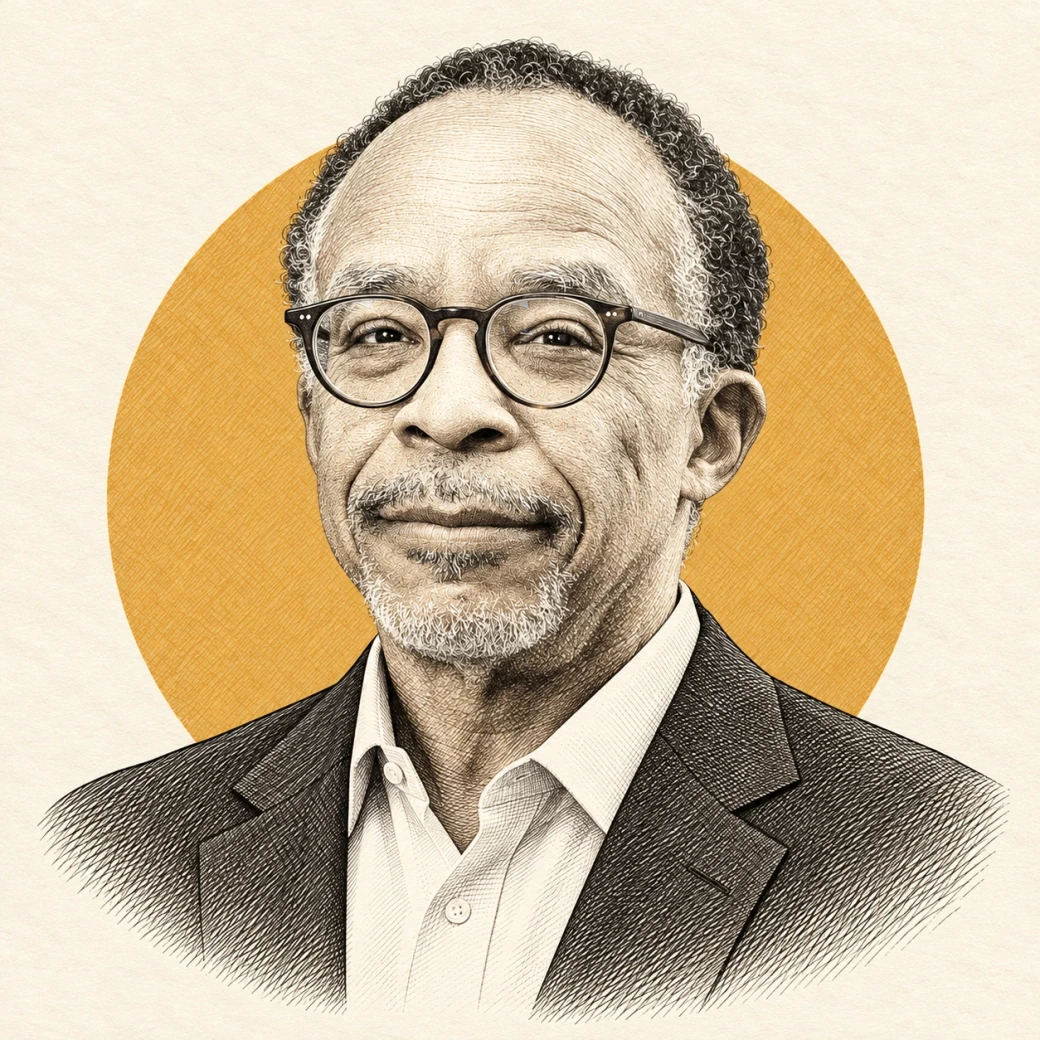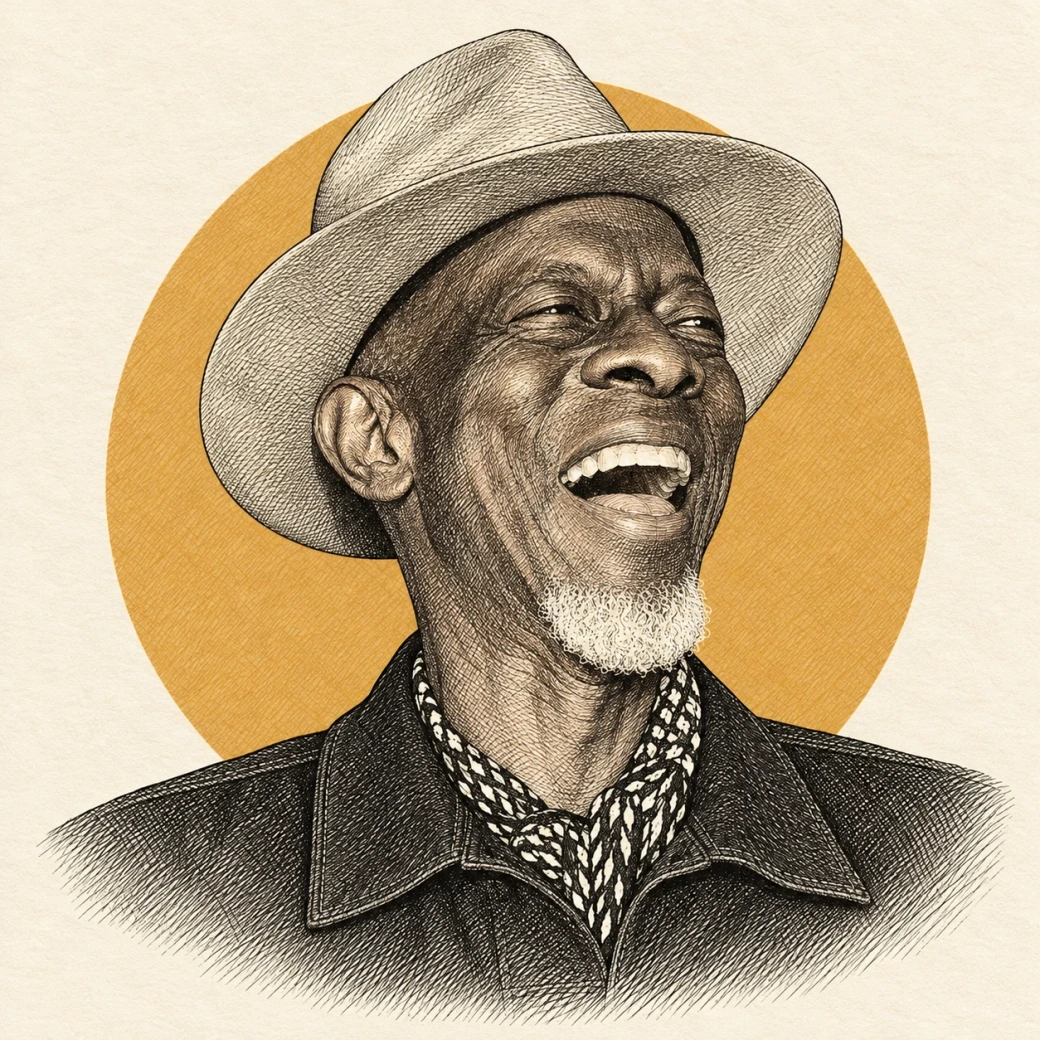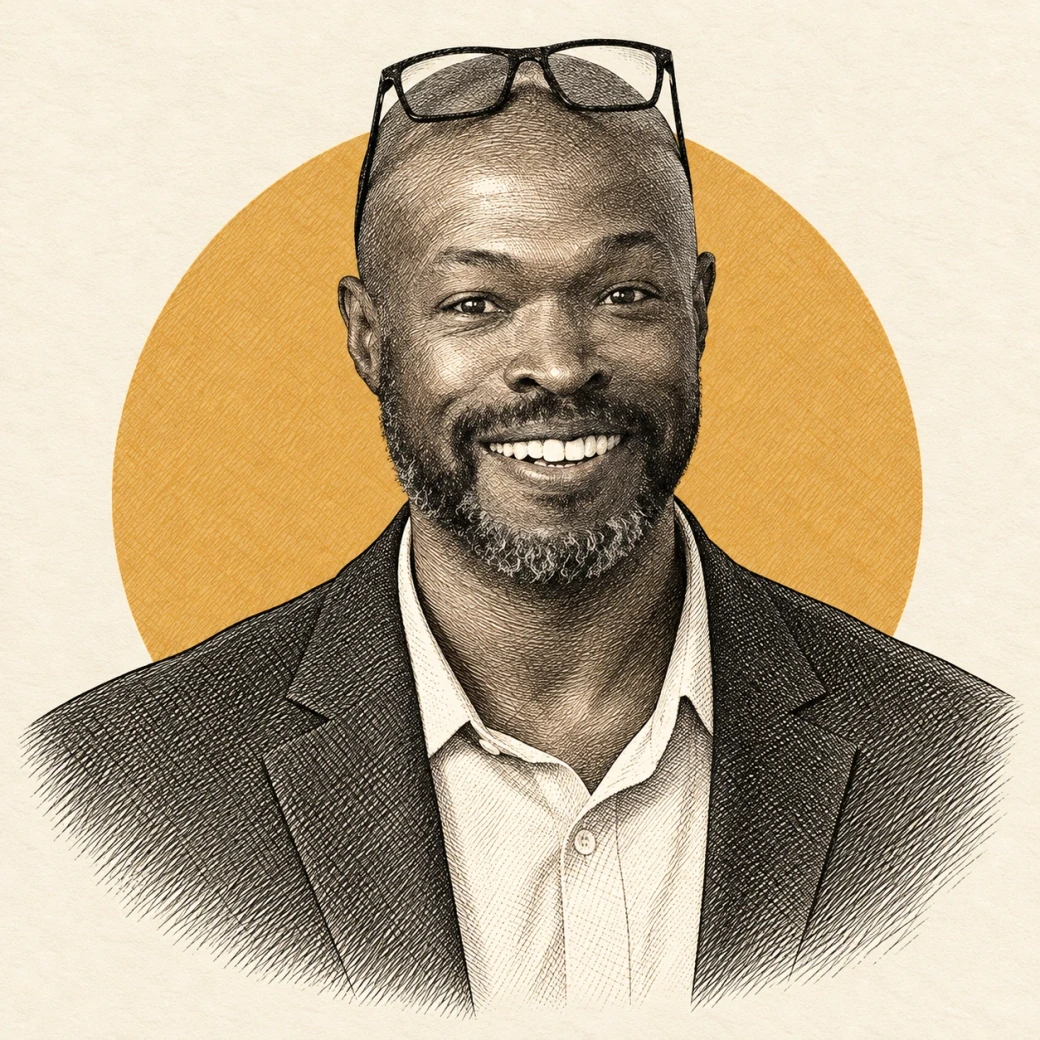
Kafui Dzirasa has described two goals for his career: reengineer brain signals to treat mental illness, and expand opportunity for scientists of color. Both run through his laboratory at Duke, where he studies the relationship between psychiatric disorders and disruptions in organized electrical activity across large cortical and subcortical brain circuits. His training spans the laboratory and the clinic: he earned a neurobiology doctorate at Duke in 2007, received his medical degree there in 2009 and completed a general psychiatry residency in 2016. The Howard Hughes Medical Institute lists him as an investigator, one of the most selective research appointments in American science.
Born in Boston in 1978 and raised in Silver Spring, Maryland, Dzirasa attended the University of Maryland, Baltimore County, as a Meyerhoff scholar, a program built to prepare underrepresented students for research careers. Through the Student National Medical Association, he took part in work introducing young people to science and providing health education in underserved communities.
His doctorate carried a weight he has named himself: he was the first African American to complete a doctorate in neurobiology at Duke. In 2023, he became the inaugural holder of an endowed chair at Duke's School of Medicine.
Recognition followed the research. In 2019, the Society for Neuroscience awarded him its Young Investigator Award, given for work likely to change how psychiatrists think about mental illness. His laboratory combines electrical engineering with neuroscience, recording activity across many brain regions at once to understand how circuits give rise to behavior and where they fail in illness.
In a 2020 essay, Dzirasa described teaching and mentoring young scientists alongside his research. He wrote about the importance of trainees seeing people like themselves in academic medicine. At Duke, he holds professorships in neurobiology, neurosurgery and biomedical engineering, and the second of his two stated goals, widening the door for scientists of color, is the part of the work his students walk through.
In his 2020 essay he put his own place in the profession plainly: "I am a medical doctor and a scientist; the first African American awarded a PhD in neuroscience at Duke University." Earlier honors included the Charles Johnson Leadership Award in 2007 and a place on Ebony magazine's 2008 list of 30 Young Leaders of the Future.
Sources and further reading
- Dr. Kafui Dzirasa: For Black Scientists, the Sorrow Is Also Personal
- Kafui Dzirasa
- Kafui Dzirasa, MD, PhD | Howard Hughes Medical Institute
- Kafui Dzirasa | Duke Biomedical Engineering
- Kafui Dzirasa | STAT News
- Three Black scholars appointed to new positions | JBHE
- Kafui Dzirasa, MD, PhD | Research!America