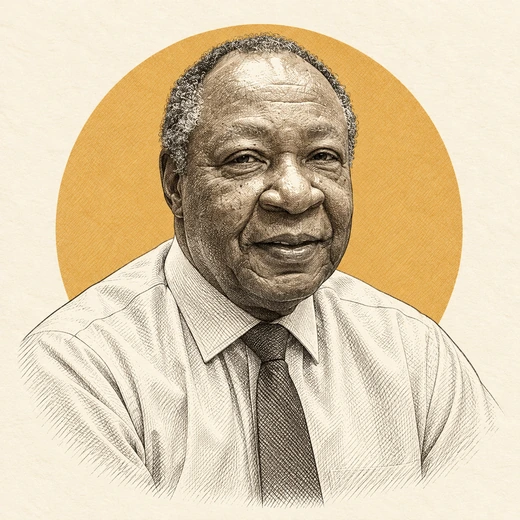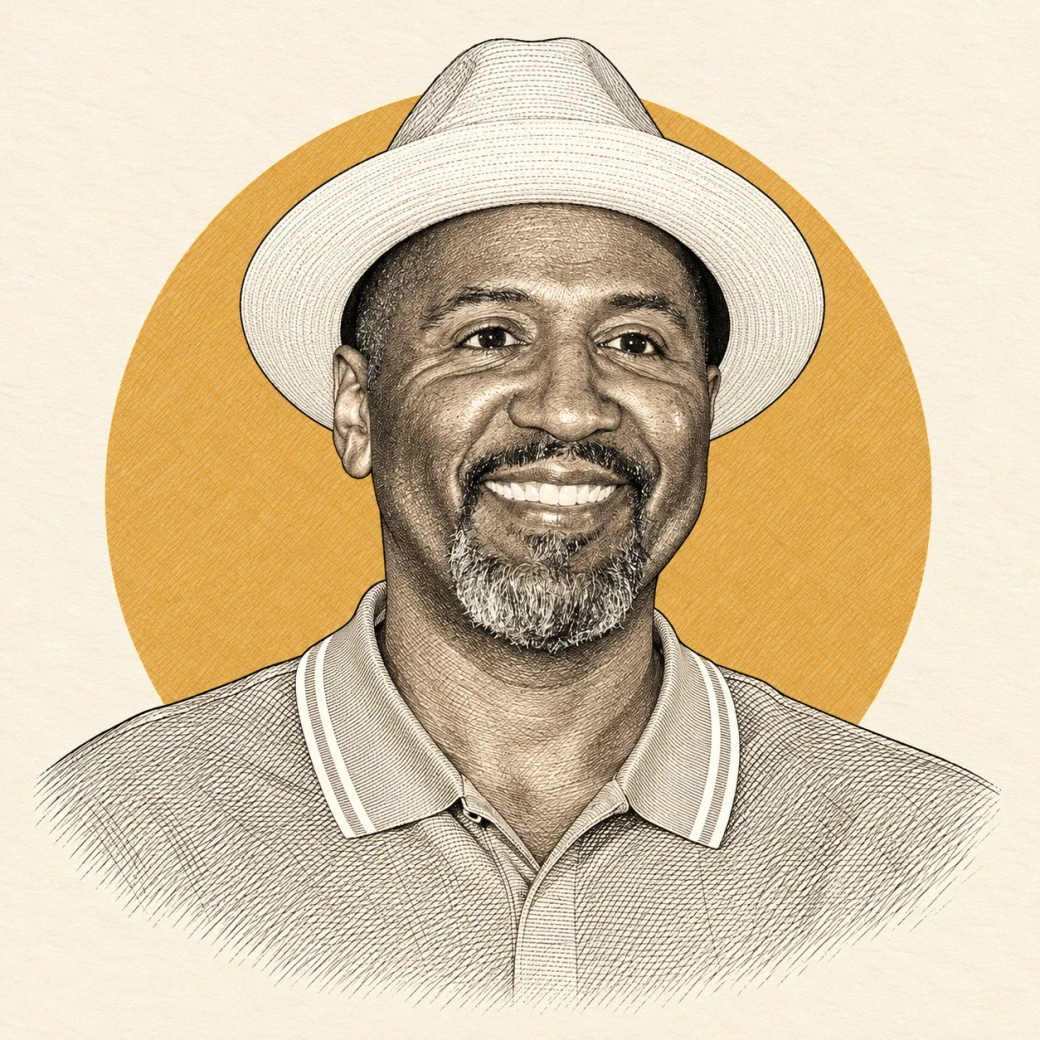
Marcus Alexis was an economist whose career included university leadership, transportation regulation and service on the board of the Federal Reserve Bank of Chicago. His research addressed management strategy, regulation, urban policy, race and poverty. At Northwestern, he held appointments in economics, management and African American studies. He also helped organize Black economists and expand training opportunities in the profession.
Alexis traced his interest in economics to a required labor course at Brooklyn College. He earned his doctorate at the University of Minnesota in 1959 and joined Northwestern's Kellogg faculty in 1970. He later chaired the economics department. In 1985, he became dean of the business school at the University of Illinois at Chicago. He returned permanently to Northwestern in 1991 as a Board of Trustees Professor and retired in 2005. He died on May 27, 2009, at age 77.
In 1969, Alexis worked with C. Z. Wilson and Thaddeus Spratlen to seek greater participation by Black economists in American Economic Association meetings. Alexis and Wilson contacted colleagues around the country ahead of an organizing meeting in New York that December. Those gatherings led to the Caucus of Black Economists, which became the National Economic Association in 1974. Its early agenda included representation in professional decisions and programs to expand the number of Black economists.
He also helped develop the AEA's summer training program. By March 1974, he was directing the program, with its first session planned for Berkeley that summer. In 1975, he became the first Black chairman of the AEA Committee on the Status of Minority Groups in the Economics Profession. Building the program required negotiations over funding and institutional support. In 1978, Alexis proposed a university consortium to help sustain it. He continued working on financing arrangements as the program developed a system of rotating university hosts.
Alexis's public service included work at the Interstate Commerce Commission from 1979 to 1981, spanning the Carter and Reagan administrations. He served as commissioner, vice chairman and acting chairman. In 1985, he joined the Chicago Fed's board of directors and became its chairman in 1990.