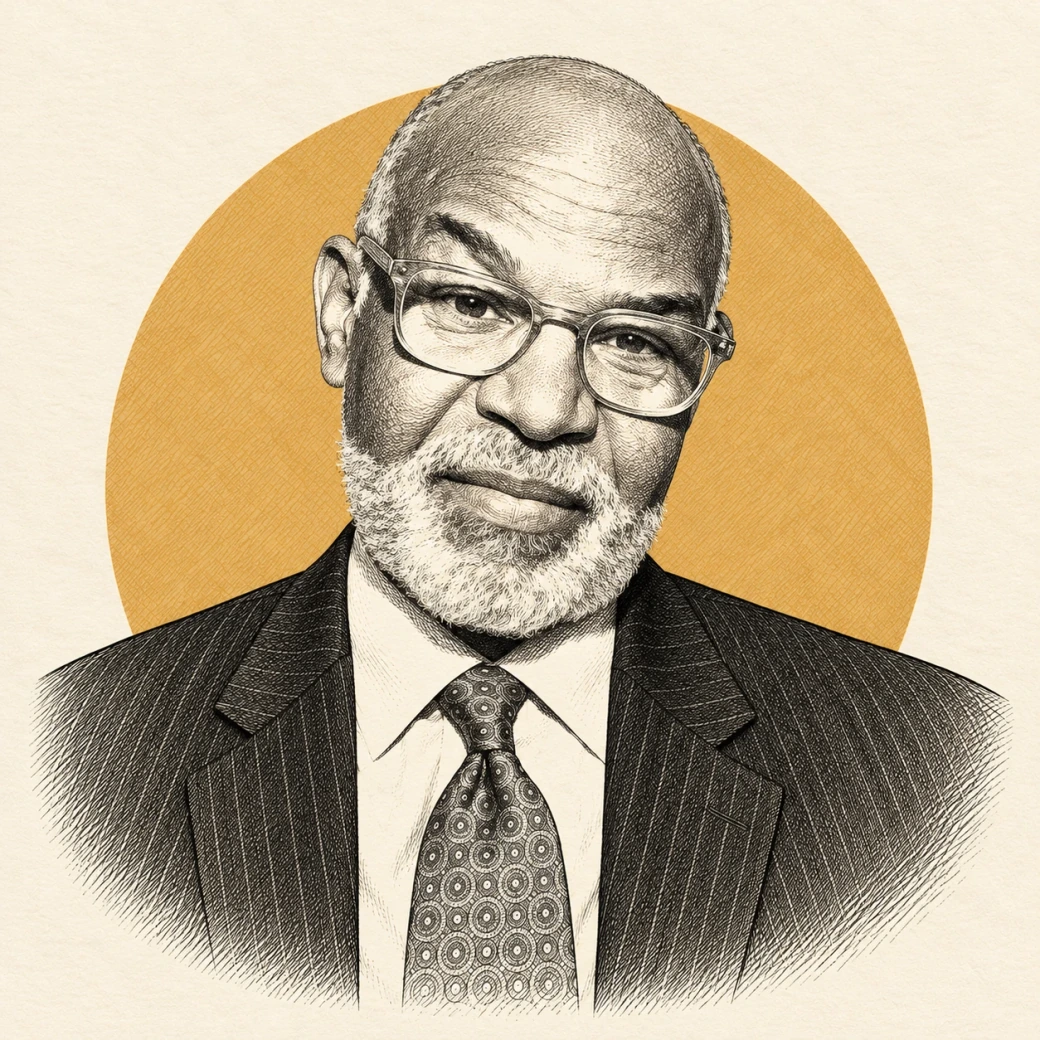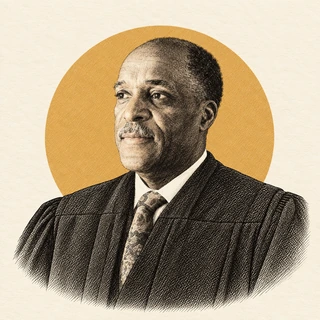
At nine, Nathaniel R. Jones sat front and center at Youngstown's segregated YMCA, listening to nationally known civil-rights speakers on Sunday afternoons. His mother belonged to the facility's ladies auxiliary and poured tea for the visiting leaders. Years later, Jones credited those afternoons with teaching him what the law could do to bring about change. "I never knew why my mother took me to those meetings instead of one of my three siblings," he reflected, "but it made a big difference in my life."
He grew up during the Great Depression on the city's South Side, played football at South High School and became president of the city's youth NAACP chapter. Even in high school, he recalled, he was getting involved in issues of race and discrimination, and there were many. After service in the Army Air Corps, he graduated from Youngstown College in 1951 and its School of Law in 1956. His early work included editing the Buckeye Review, a Black weekly newspaper, and directing Youngstown's Fair Employment Practices Commission. In 1961, he became the city's first African American assistant U.S. attorney, and he later served as assistant general counsel to the National Advisory Commission on Civil Disorders, the Kerner Commission that examined the urban uprisings of the 1960s.
From 1969 to 1979, Jones was the NAACP's general counsel, directing the organization's national litigation. President Jimmy Carter then nominated him to the U.S. Court of Appeals for the Sixth Circuit, which covers Ohio, Michigan, Tennessee and Kentucky. He served from 1979 until his retirement in 2002. His work also reached beyond American courts: he advised on South Africa's transition away from apartheid. Born in Youngstown in 1926, he died in Cincinnati on January 26, 2020, at ninety-three.
He had chronicled his seven-decade career in an autobiography, Answering the Call, published in his late eighties. "I think the book makes the point that we've come a long way, but an ominous shadow still hovers," he said. "We still have serious issues that must be addressed. It's a continuous march."