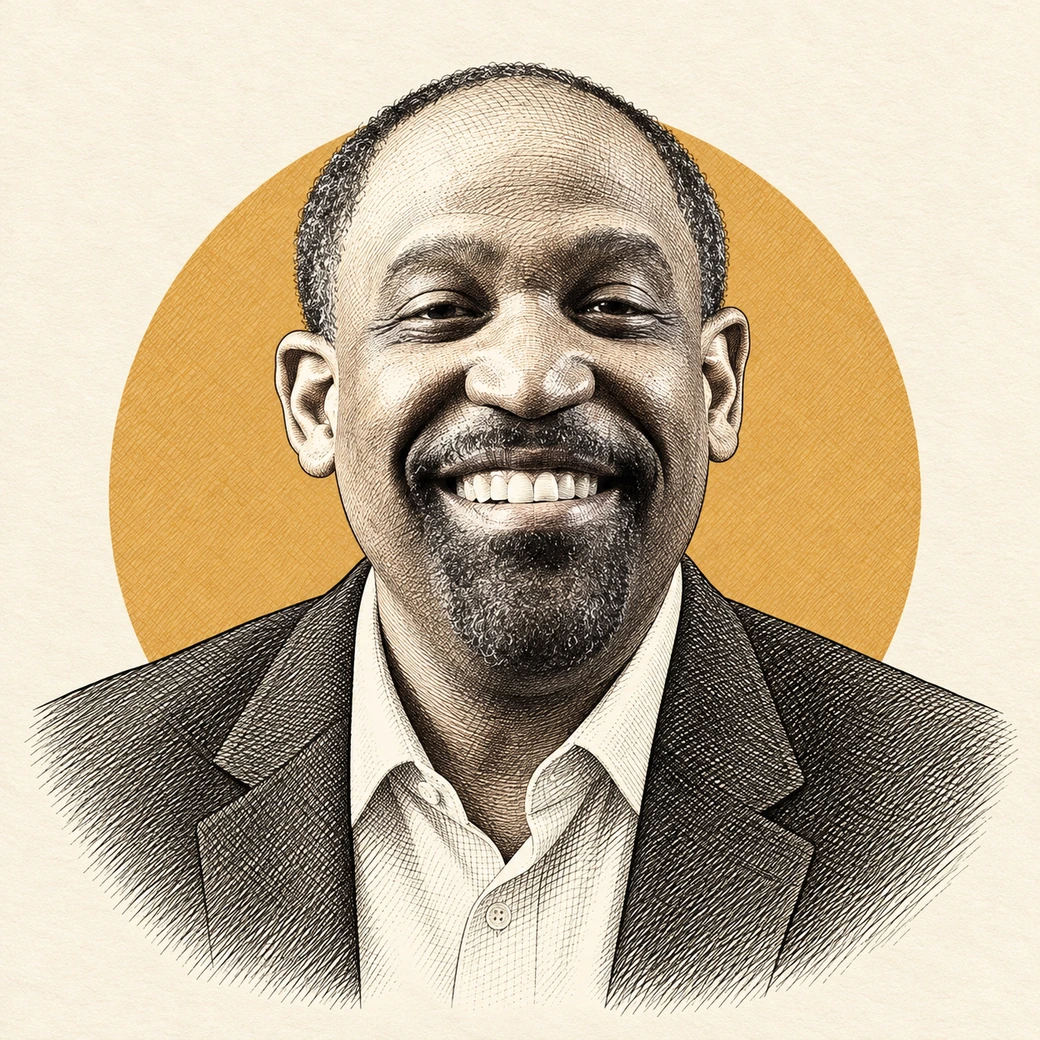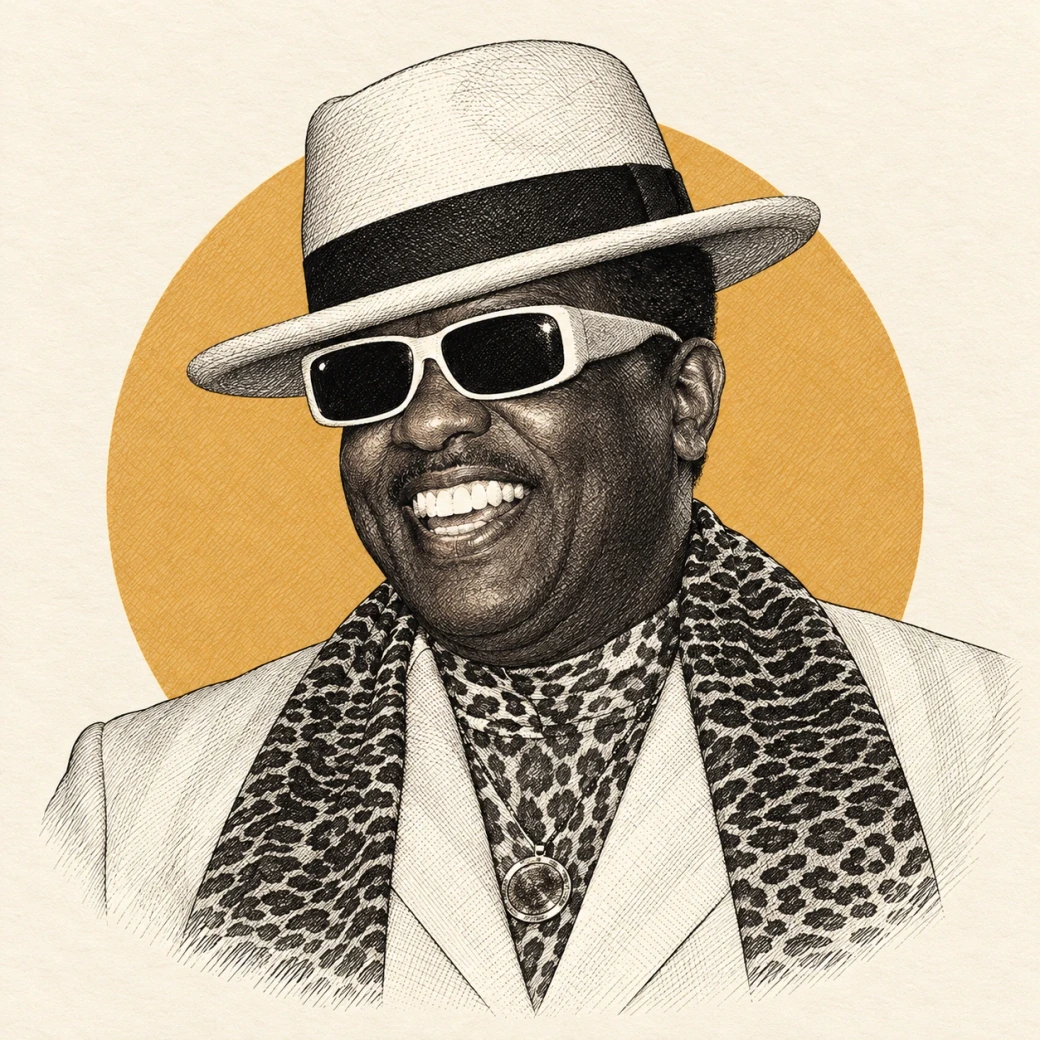
A set of inherited law books helped Oliver W. Hill Sr. decide what to do with his education. While he was an undergraduate at Howard University, his aunt gave him books that had belonged to his late uncle. In a later interview, Hill recalled reading the Constitution's Reconstruction Amendments and deciding to challenge legalized segregation. Born in Richmond, Virginia, in 1907, he studied law at Howard under Charles Hamilton Houston. He graduated in 1933, second in his class behind Thurgood Marshall.
Hill's early cases dealt with the terms on which Black Virginians could work and receive public services. After practicing briefly in Roanoke, he returned to Richmond in 1939. He joined the legal team representing Melvin O. Alston and the Norfolk Teachers' Association in a challenge to racially unequal teacher pay. A trial court dismissed their lawsuit. In 1940, the Fourth Circuit reversed, ruling that the complaint described unconstitutional discrimination and sending the case back for further proceedings. Hill was listed on the appellants' brief alongside Marshall and other lawyers.
He also worked to build organizations and enter public office. Hill helped found the Old Dominion Bar Association in 1942. He served in the Army during World War II, then won election to Richmond's City Council in 1948, becoming its first Black member since Reconstruction.
In 1951, students at Robert Russa Moton High School in Farmville went on strike over overcrowding and inadequate facilities. Sixteen-year-old Barbara Johns helped lead the walkout. Hill and fellow NAACP lawyer Spottswood Robinson met with the students and their families. The lawyers agreed to represent them in a challenge to segregation itself. In May, they filed Davis v. County School Board of Prince Edward County on behalf of 117 students. The case carried the name of plaintiff Dorothy E. Davis.
The students lost in the federal trial court, which upheld segregation while ordering the county to equalize facilities. Davis then became one of the cases decided in Brown v. Board of Education in 1954. The Supreme Court's rejection of public-school segregation did not end resistance in Virginia. Prince Edward County withheld school funding and closed its public schools from 1959 to 1964.
Hill's career continued through that period and for decades afterward. From 1961 to 1966, he worked in federal housing administration, including mortgage-credit work, before returning to Richmond practice. He remained a partner at Hill, Tucker and Marsh until retiring in July 1998. He received the Presidential Medal of Freedom in 1999 and died in Richmond on August 5, 2007, at one hundred.