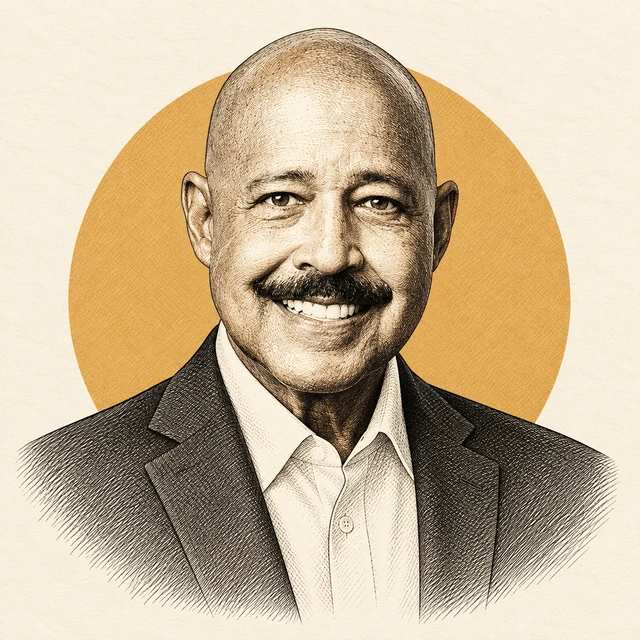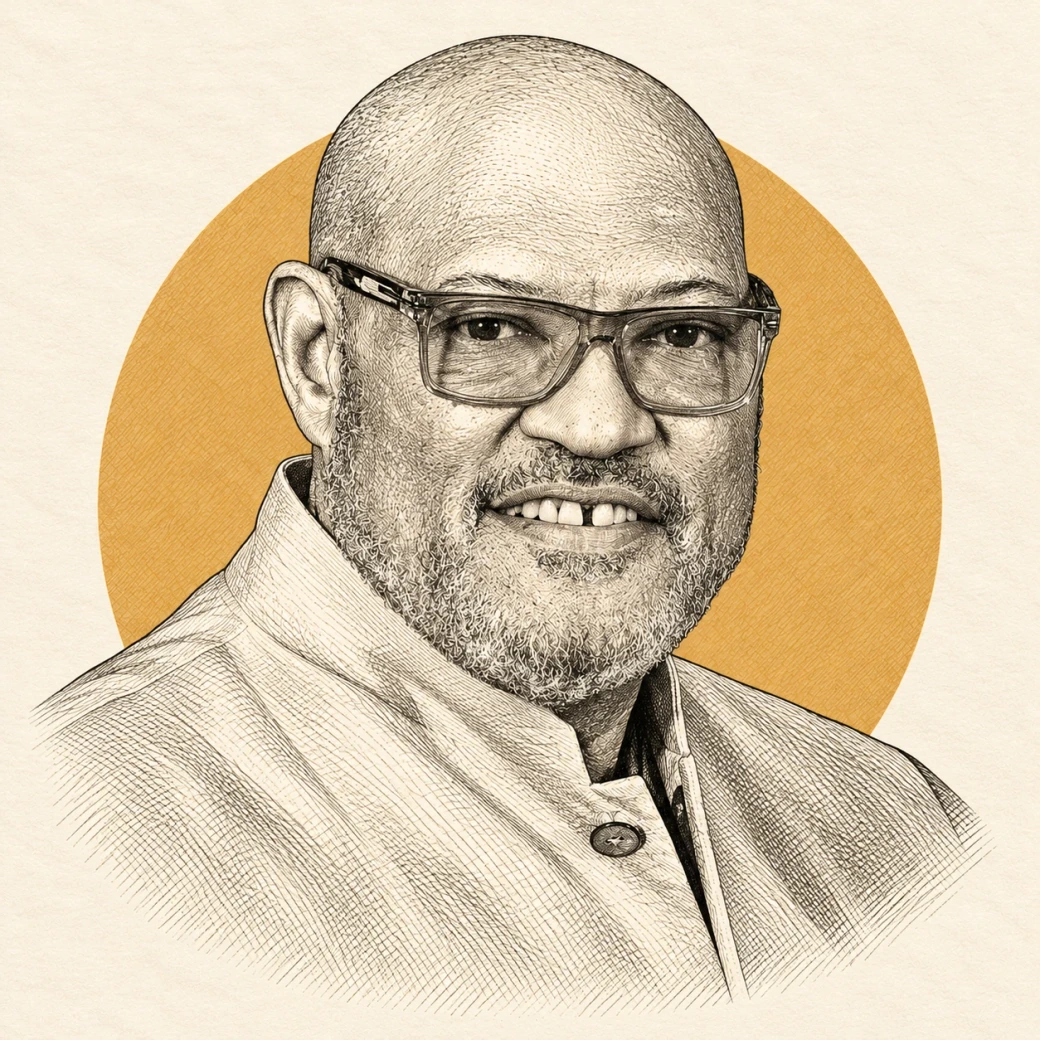
Robert Lee Carter helped build the legal case against segregated public schools. Working with Thurgood Marshall and the NAACP legal team, he prepared the Topeka, Kansas, litigation that became one of the cases decided in Brown v. Board of Education. He argued that case before the Supreme Court. His work included developing evidence about the effects of segregation on Black children and preparing expert testimony for the courts.
Carter was born in Florida on March 11, 1917, and grew up in Newark, New Jersey, after his mother moved the family north. He attended Lincoln University on a scholarship, graduating in 1937. At Howard University School of Law, he earned his law degree in 1940. A master's degree from Columbia followed in 1941. That year he entered the Army Air Corps, where he encountered the military's system of racial segregation.
After leaving the military in 1944, Carter joined the NAACP legal staff as a legal assistant. He became an assistant special counsel in 1945 and worked on challenges to exclusion in education, including Sweatt v. Painter and the cases leading to Brown. In preparing school litigation, he worked with psychologist Kenneth Clark and other experts. The National Park Service's account describes his work on the South Carolina school case in 1950 and his preparation of expert witnesses for the Topeka case the following year.
Carter became general counsel of the NAACP in 1956 and held that position until 1968. His work included NAACP v. Alabama, the 1958 Supreme Court case protecting the organization from a state demand for its membership lists. Beyond school admissions and classroom segregation, that litigation concerned whether people could organize together without the state exposing their identities. Carter also helped establish the National Conference of Black Lawyers. After leaving the NAACP, he spent a year as a fellow at Columbia's Urban Center and returned to private practice in New York.
President Richard Nixon nominated Carter to the U.S. District Court for the Southern District of New York in June 1972. The Senate confirmed him in July, and he received his commission on July 25. He took senior status at the end of 1986 and remained a federal judge until his death on January 3, 2012. In 2005, he published A Matter of Law, a memoir that brought his own account of military service, civil-rights litigation and the federal bench into print.