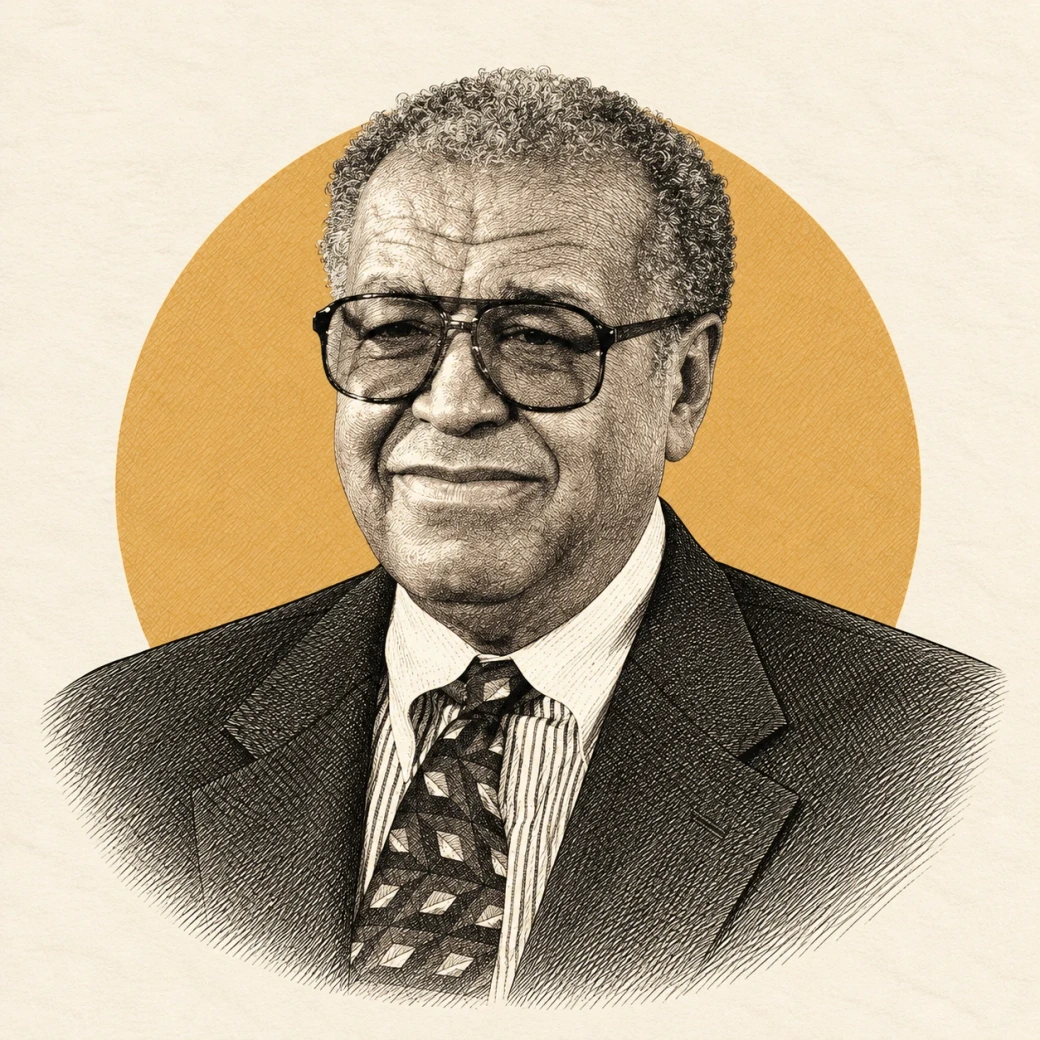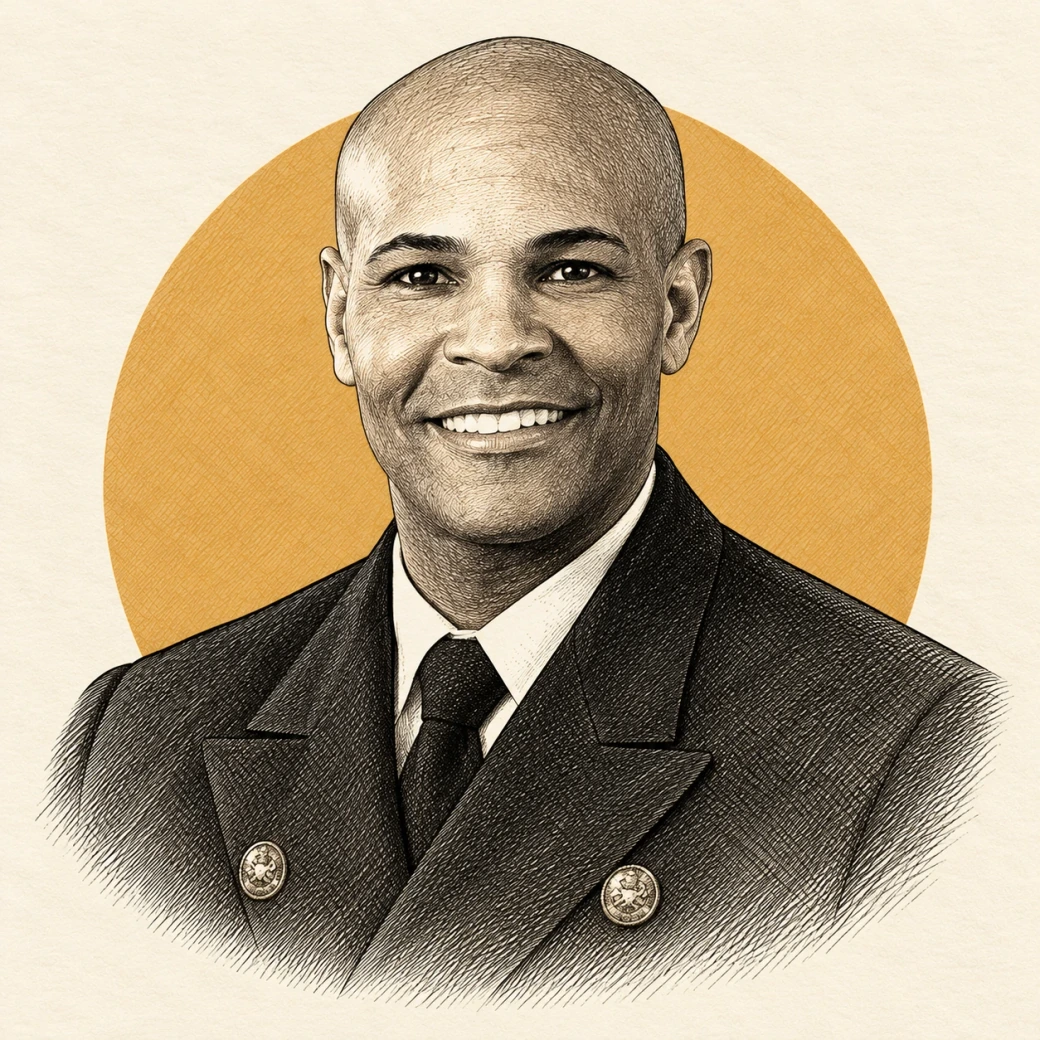
Theodore Michael Shaw was born in New York City in 1954 and grew up in Harlem and the Bronx. He graduated from Wesleyan University in 1976 and Columbia Law School in 1979. Recalling his path to college, he credited Father John Meehan with helping him and other young African Americans reach universities. Shaw has publicly described himself as a beneficiary of affirmative action.
His professional legal career began in the Justice Department's Civil Rights Division, where he served as a federal trial attorney from 1979 to 1982. He then joined the NAACP Legal Defense and Educational Fund, working on education, housing and capital-punishment cases. He directed its education litigation docket, bringing sustained attention to disputes over access to schooling.
In 1987, under director-counsel Julius Chambers, Shaw moved to Los Angeles to establish LDF's Western Regional Office. He left for the University of Michigan Law School in 1990, teaching constitutional law, civil procedure and civil rights.
At Michigan, he served on the faculty committee that developed the law school admissions policy upheld by the Supreme Court in *Grutter v. Bollinger* in 2003. Separately, he represented African American and Latino student intervenors in the undergraduate admissions case, *Gratz v. Bollinger*. These were distinct cases and roles.
Shaw returned to LDF in 1993 and became its fifth director-counsel and president in 2004, serving until 2008. His leadership included litigation oversight and congressional testimony supporting renewal of Voting Rights Act provisions. Following the 2008 presidential election, he led the incoming administration's transition team for the Justice Department's Civil Rights Division.
He subsequently taught at Columbia and joined the University of North Carolina's law faculty. UNC currently lists him as Julius L. Chambers Distinguished Professor of Law and director of its Center for Civil Rights. In February 2025, he returned to Wesleyan to give its Martin Luther King Jr. commemorative luncheon address, discussing his family, career and responsibilities facing another generation.