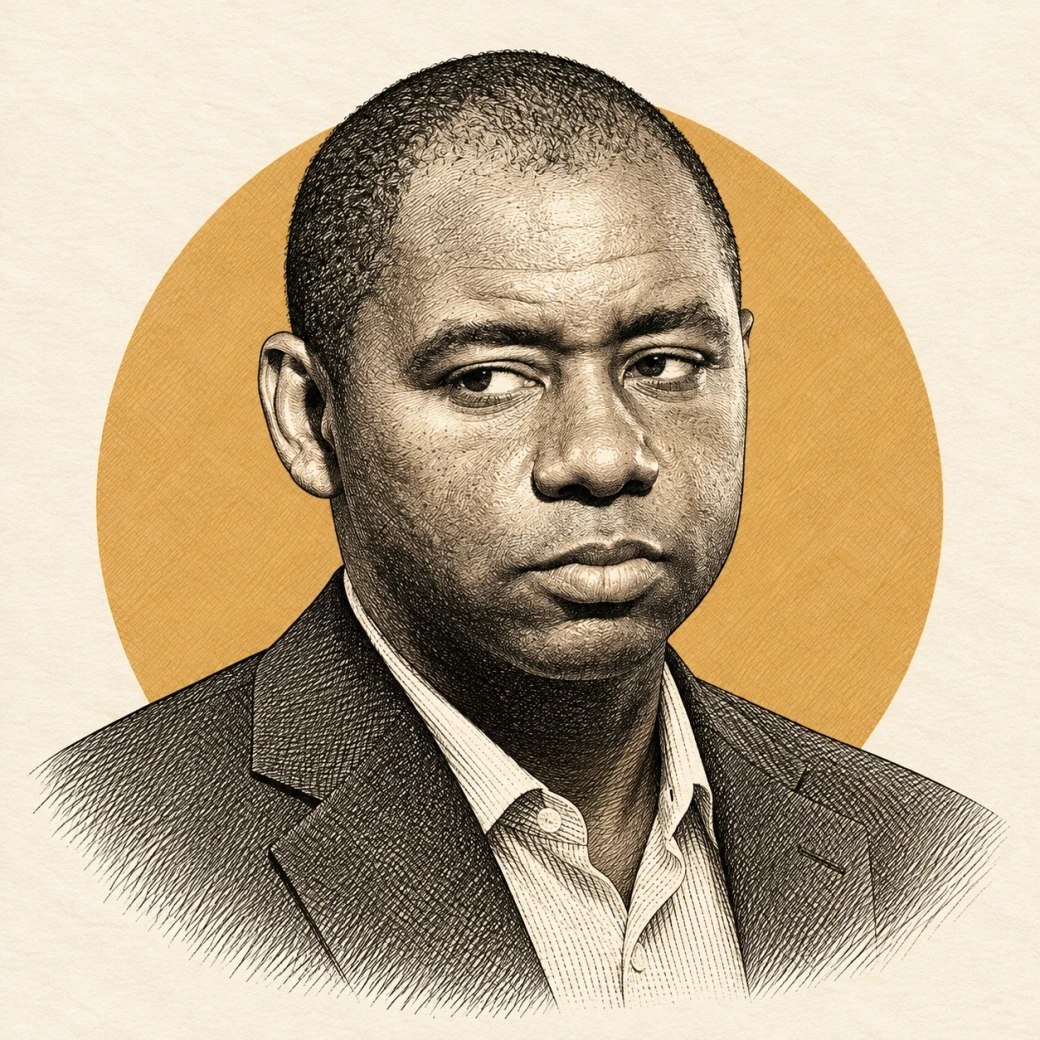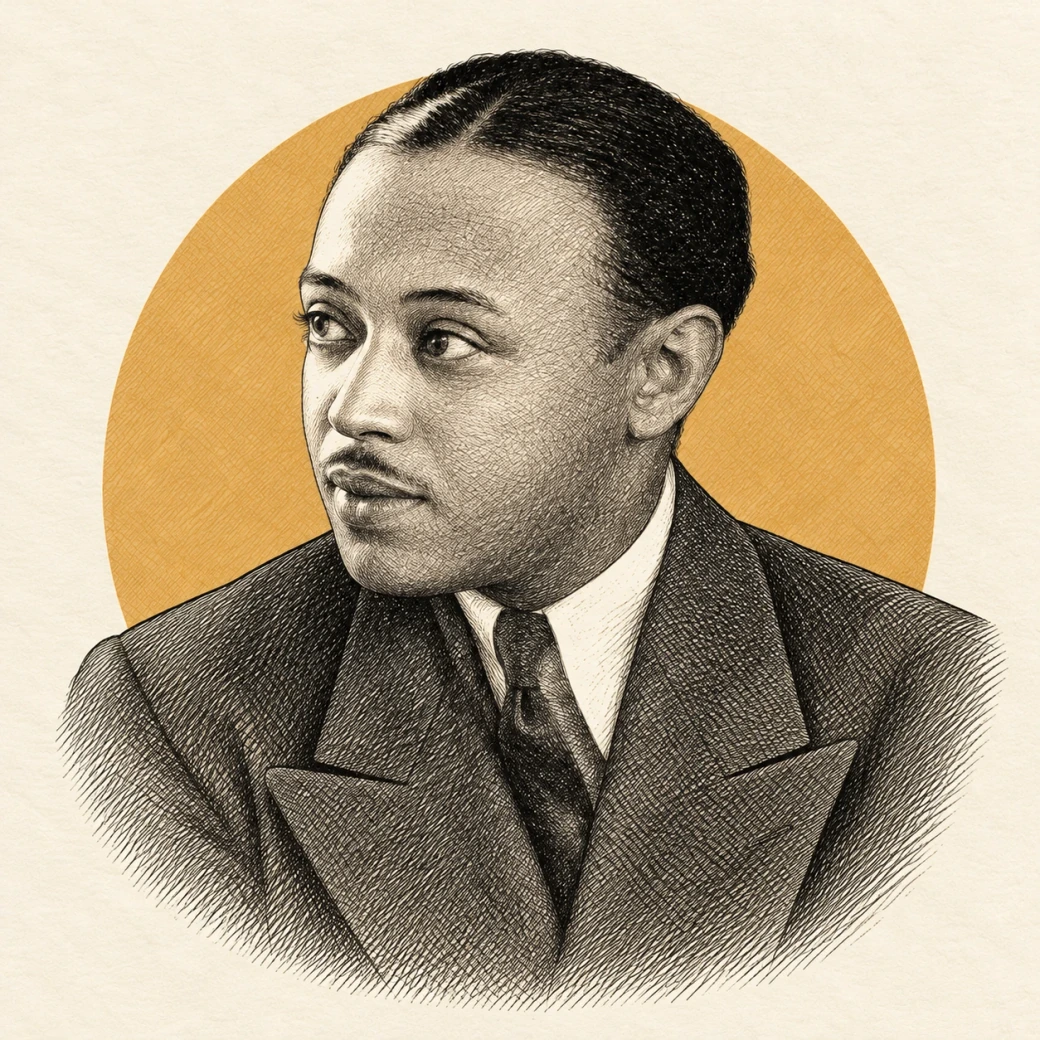
William Grant Still was born in Woodville, Mississippi, in 1895 and grew up in Little Rock, Arkansas. His musical interests developed into study and arranging as well as performance. At Wilberforce University, he began premedical work but spent considerable time with music. He left without a degree and continued his musical education at Oberlin, later studying privately with composer Edgard Varèse.
Still's early professional work included employment with W. C. Handy. He worked in New York before moving to Los Angeles in 1934. The Library of Congress's account traces this career through scores, correspondence and other materials, documenting a composer who revised his work over time.
In 1931, Howard Hanson led the Rochester Philharmonic in Still's *Afro-American Symphony*, a major milestone for an African American composer in an American symphony orchestra's repertoire. Still's relationship with orchestral performance also included conducting the Los Angeles Philharmonic at the Hollywood Bowl in 1936. His work drew on folk and jazz resources while using the possibilities of concert composition.
Opera created another avenue. *Troubled Island* received its premiere at New York City Opera in 1949, with a libretto credited to Langston Hughes and Verna Arvey rather than to Still.
These achievements occurred amid racial restrictions. The Los Angeles Philharmonic's biography describes discrimination surrounding Still's professional opportunities, including his refusal to continue work on *Stormy Weather* because of the studio's treatment of people of color.
Still also wrote for younger audiences. Duke University's exhibit documents *The Little Song That Wanted to Be a Symphony* in 1954 and *The Little Red Schoolhouse* in 1957, alongside the regional suites of *The American Scene*, works that could introduce young listeners to musical forms and settings. He died in 1978.