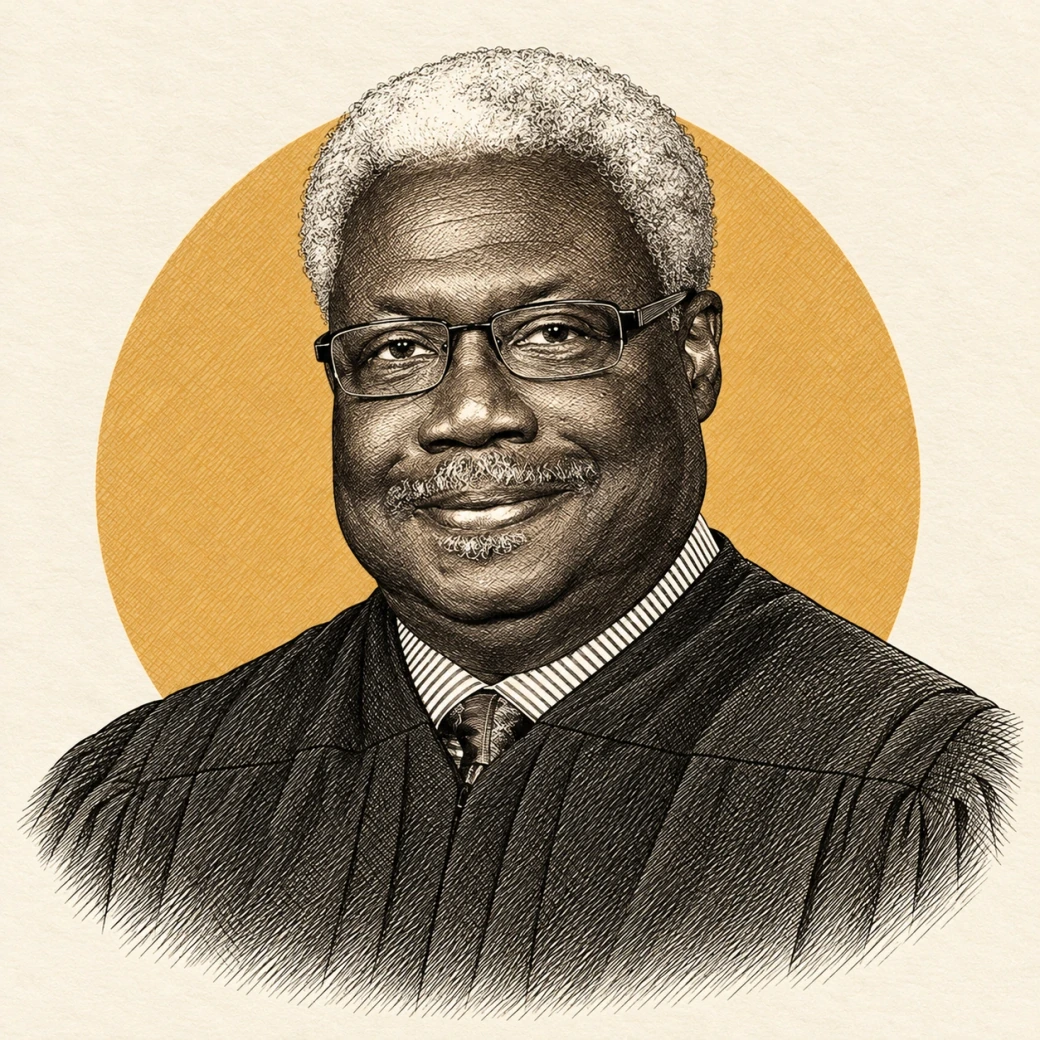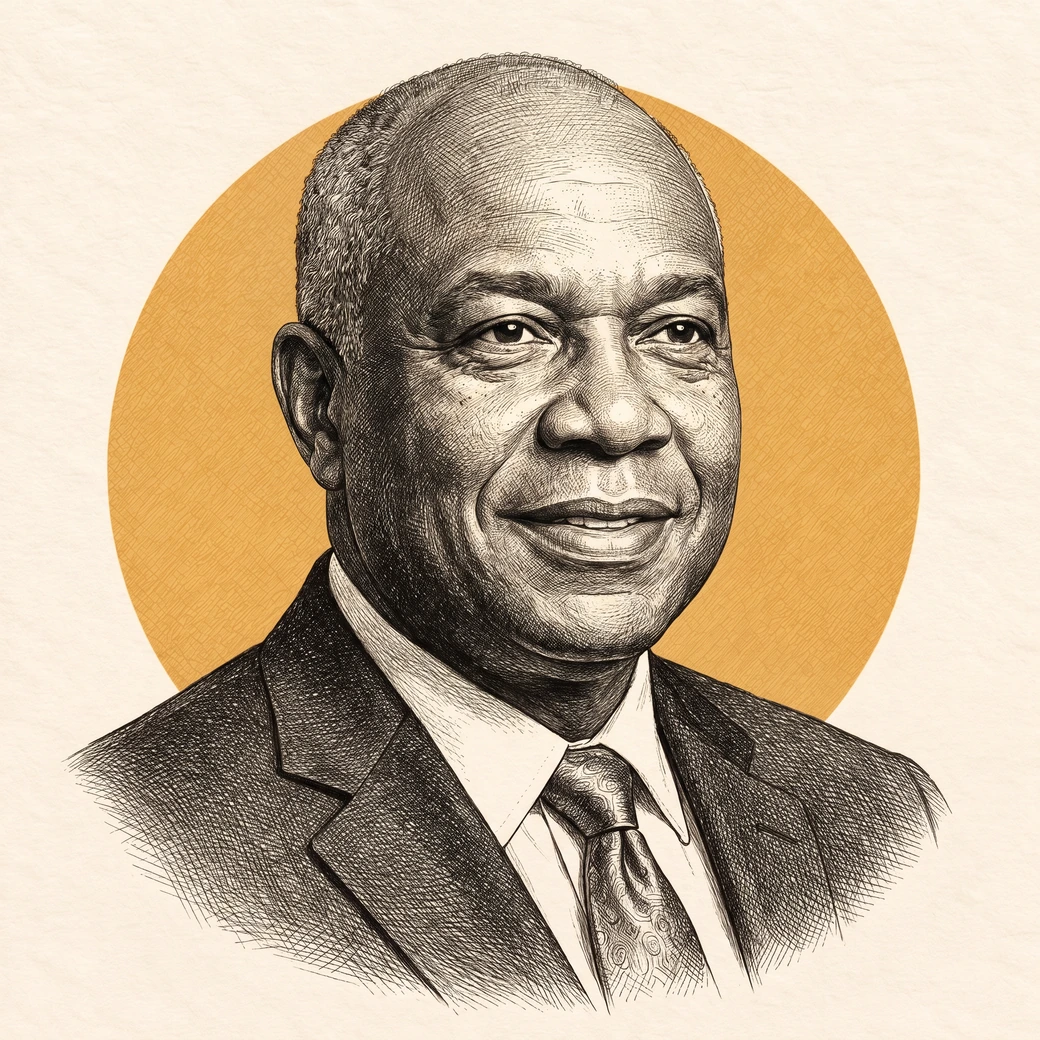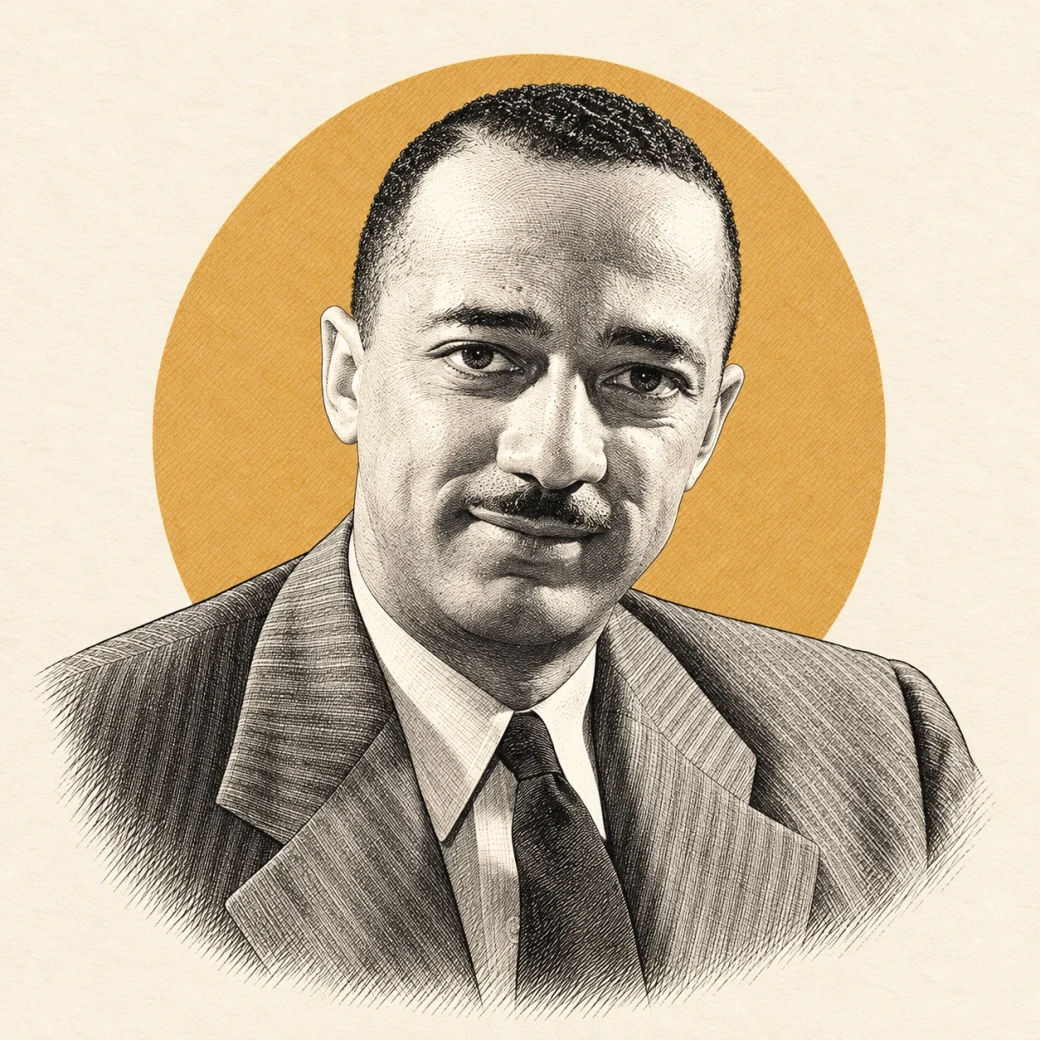
William Henry Hastie worked inside the War Department during World War II to press for better treatment of Black soldiers. As a civilian aide to Secretary of War Henry Stimson, he reviewed policies and argued for access to officer training and medical assignments. In a later oral history, he described resistance from military commanders and officials, particularly over aviation training. He resigned in protest of discriminatory practices and returned to his work in legal education.
Born in Knoxville, Tennessee, on November 17, 1904, Hastie moved with his family to Washington, D.C., during childhood. He graduated from Amherst College in 1925 and earned law degrees at Harvard in 1930 and 1933, including a doctorate in law. His early career included private practice in Washington and teaching at Howard University School of Law. He became an assistant solicitor at the Interior Department during the New Deal, working on legal issues involving the Virgin Islands.
That assignment gave Hastie experience with the territory before he became its district judge in 1937. Among his Interior projects was work with other lawyers on a corporate structure intended to support the islands' sugar and rum industries. He served on the territorial court until 1939, then accepted an offer to become Howard's law dean. He had taught at the school earlier and wanted to continue teaching. His wartime assignment required leave from the deanship, though he continued teaching an evening course.
In 1946, President Harry Truman appointed Hastie governor of the Virgin Islands. In his account of the appointment, Interior Secretary Harold Ickes asked whether he could put Hastie's name forward. Hastie agreed to be considered while continuing his work at Howard. He served as governor until 1949, when another Truman appointment took him to the U.S. Court of Appeals for the Third Circuit.
Hastie joined that court through a recess appointment on October 21, 1949. The Senate confirmed him in July 1950, and his commission followed on July 22. He became chief judge in 1968 and served in that role until 1971, also sitting on the Judicial Conference of the United States. After taking senior status on May 31, 1971, he continued his judicial work. His later assignments included service on the Temporary Emergency Court of Appeals from 1972 to 1976. He died on April 14, 1976, while still serving as a federal judge.