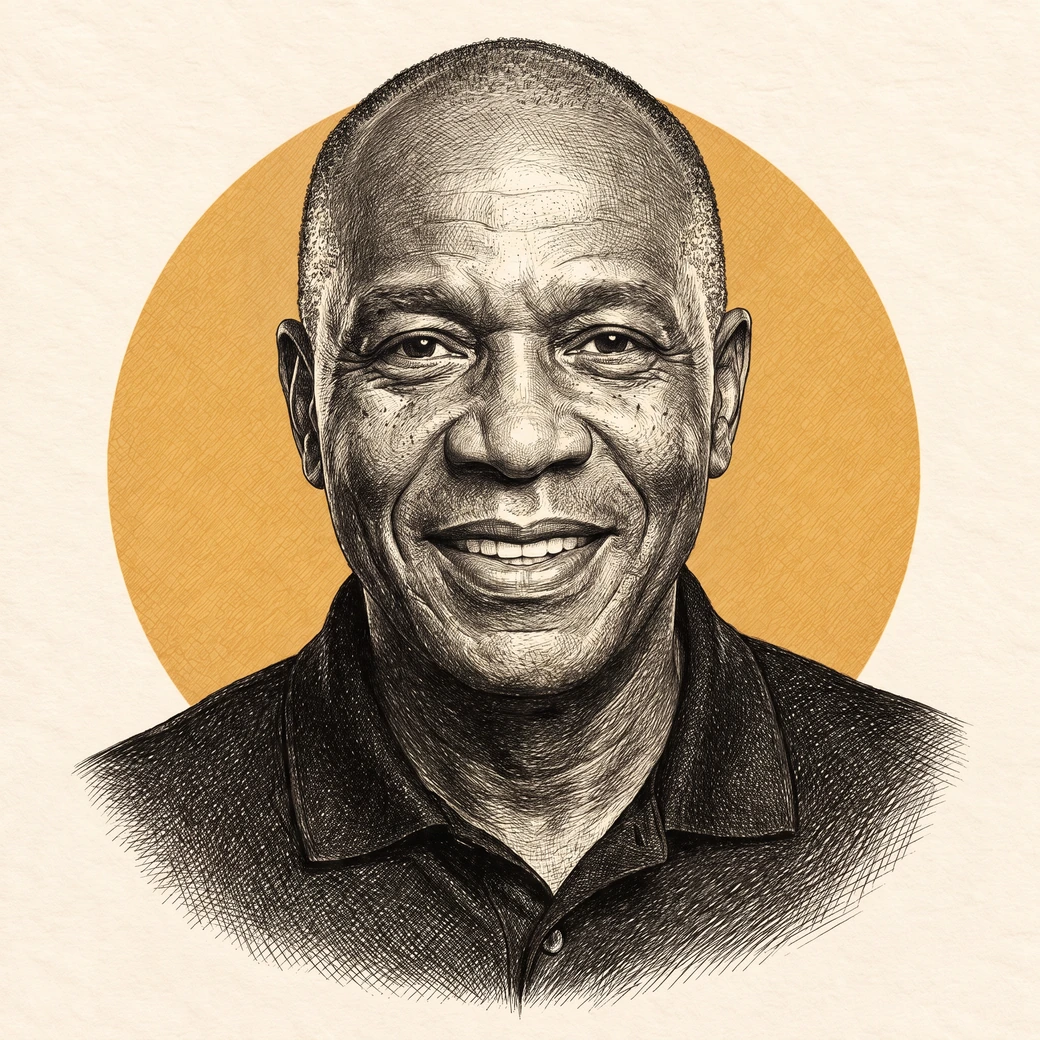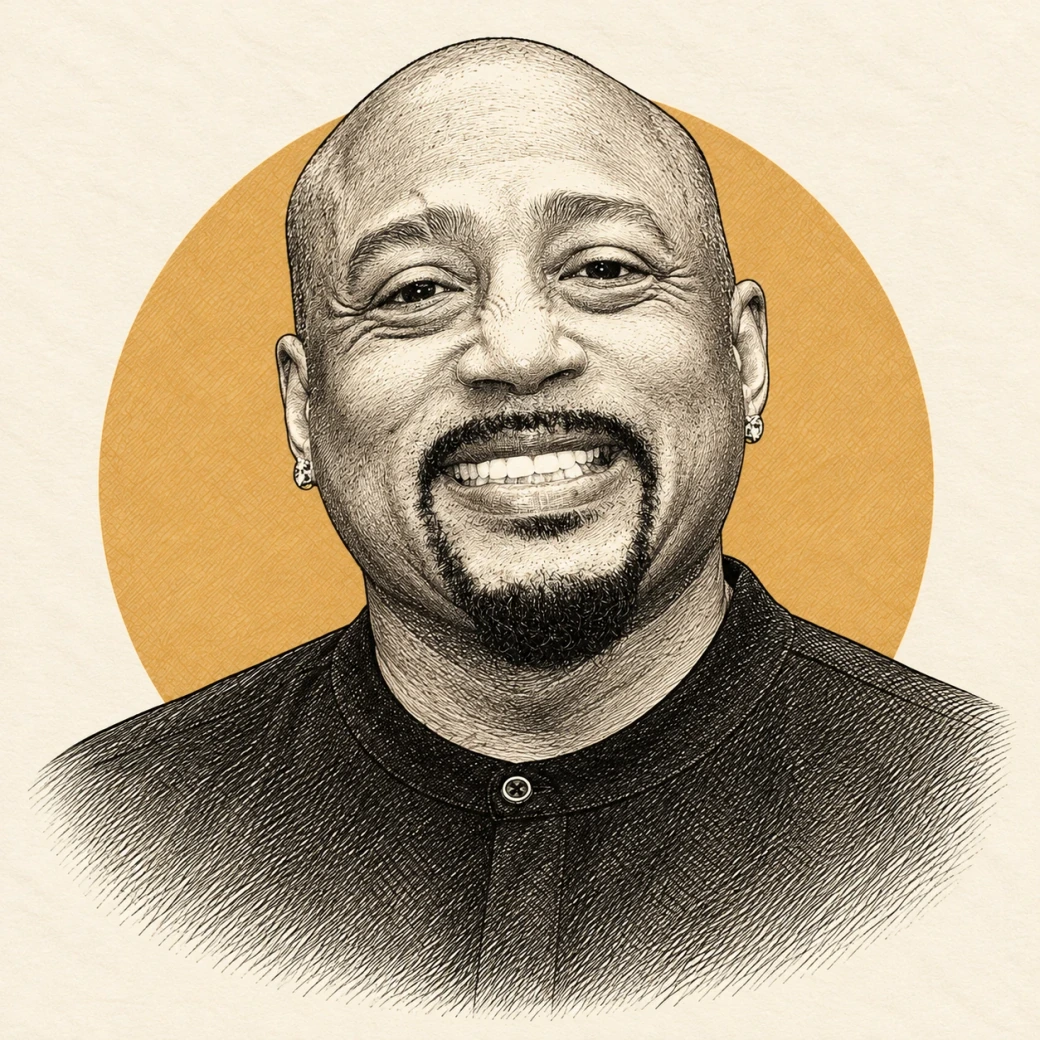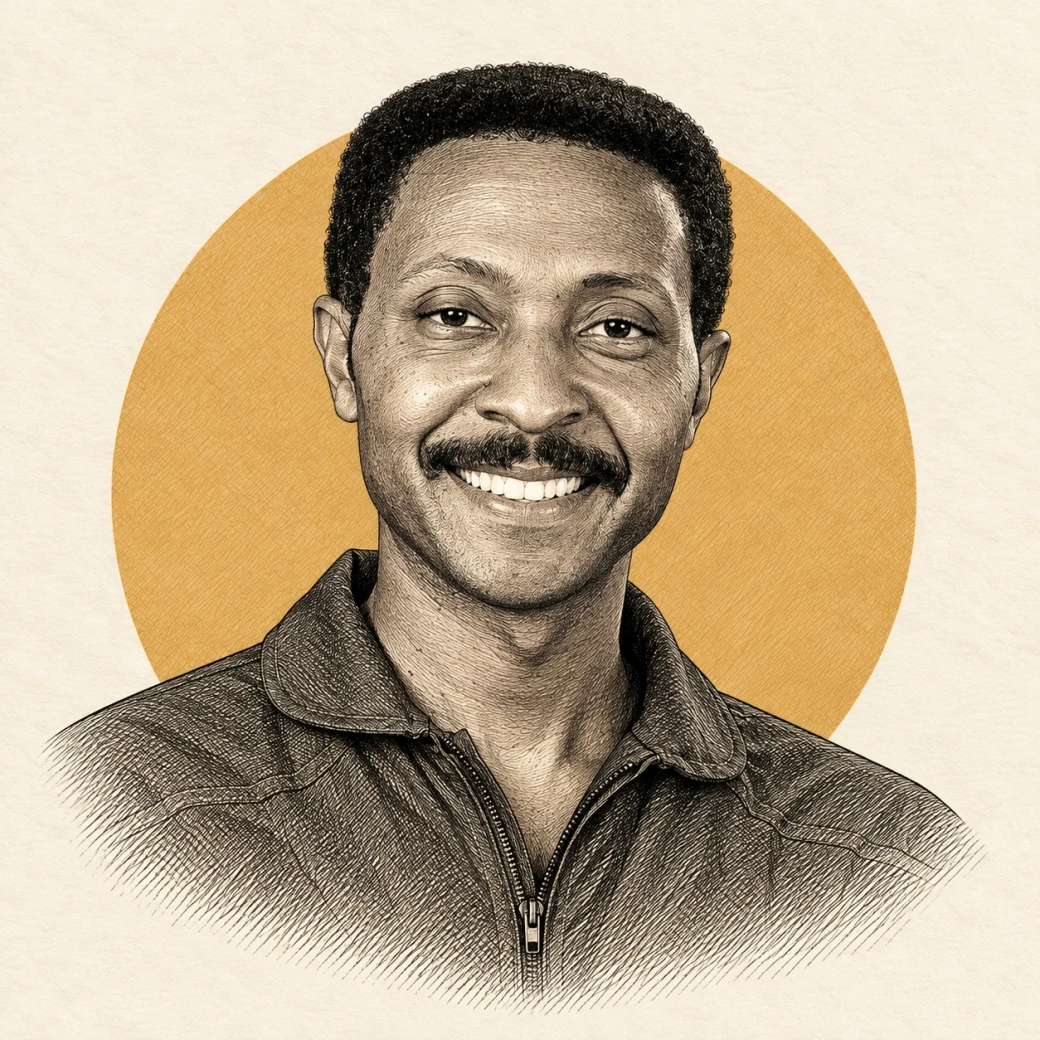
Winston E. Scott is an African American engineer, retired Navy captain and former NASA astronaut. Born in Miami in 1950, he earned a music degree at Florida State University before entering naval aviation. He later completed a master's degree in aeronautical engineering at the Naval Postgraduate School and served as an engineering duty officer and test pilot.
Selected by NASA in 1992, Scott flew on STS-72 in 1996 and STS-87 in 1997. He completed three spacewalks across the two missions. His work included testing equipment and procedures intended for later assembly of the International Space Station; in the years before station construction began, shuttle astronauts practiced the techniques that assembling a large structure in orbit would require.
During STS-87, Scott took part in the manual recovery of the Spartan satellite and further tests of spacewalking tools. He retired from NASA and the Navy in 1999 and went on to educational leadership roles. NASA's astronaut roster lists him as a former astronaut.
Scott's route to the astronaut office ran through two fields that rarely share a resume. The music degree came first, then naval aviation, where he accumulated the carrier operations, test-pilot credentials and engineering graduate work NASA looks for in mission specialists. Both music and flying demand hours of repetition on fundamentals until performance under pressure becomes automatic.
STS-72 in 1996 rehearsed the station-assembly spacewalk techniques and tested the equipment NASA would need once construction began. By the time he retired in 1999, the station's first components were being prepared for launch, and the procedures he had tested were moving into the assembly plan. His three spacewalks placed him among the small group of astronauts who had worked outside a spacecraft, where a suited astronaut depends on a tether, a toolkit and procedures rehearsed hundreds of times in a pool.
The station's first modules were already in orbit when he retired in 1999, built on procedures he had helped test. His post-NASA years in educational leadership carried the same theme forward: preparing the people who would do the next work.
Three spacewalks across two missions in two years was a normal shuttle-era rhythm, and each outing tested equipment the station program would need.