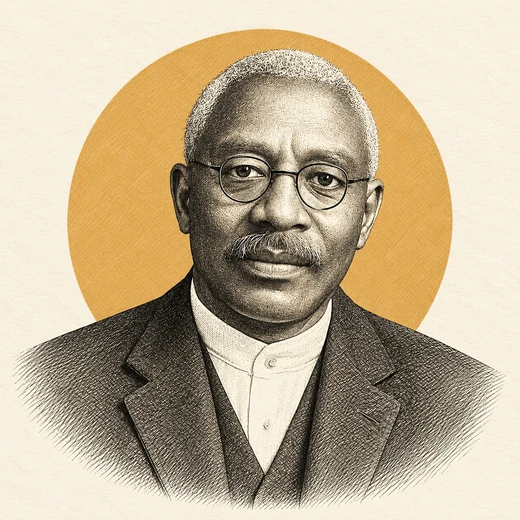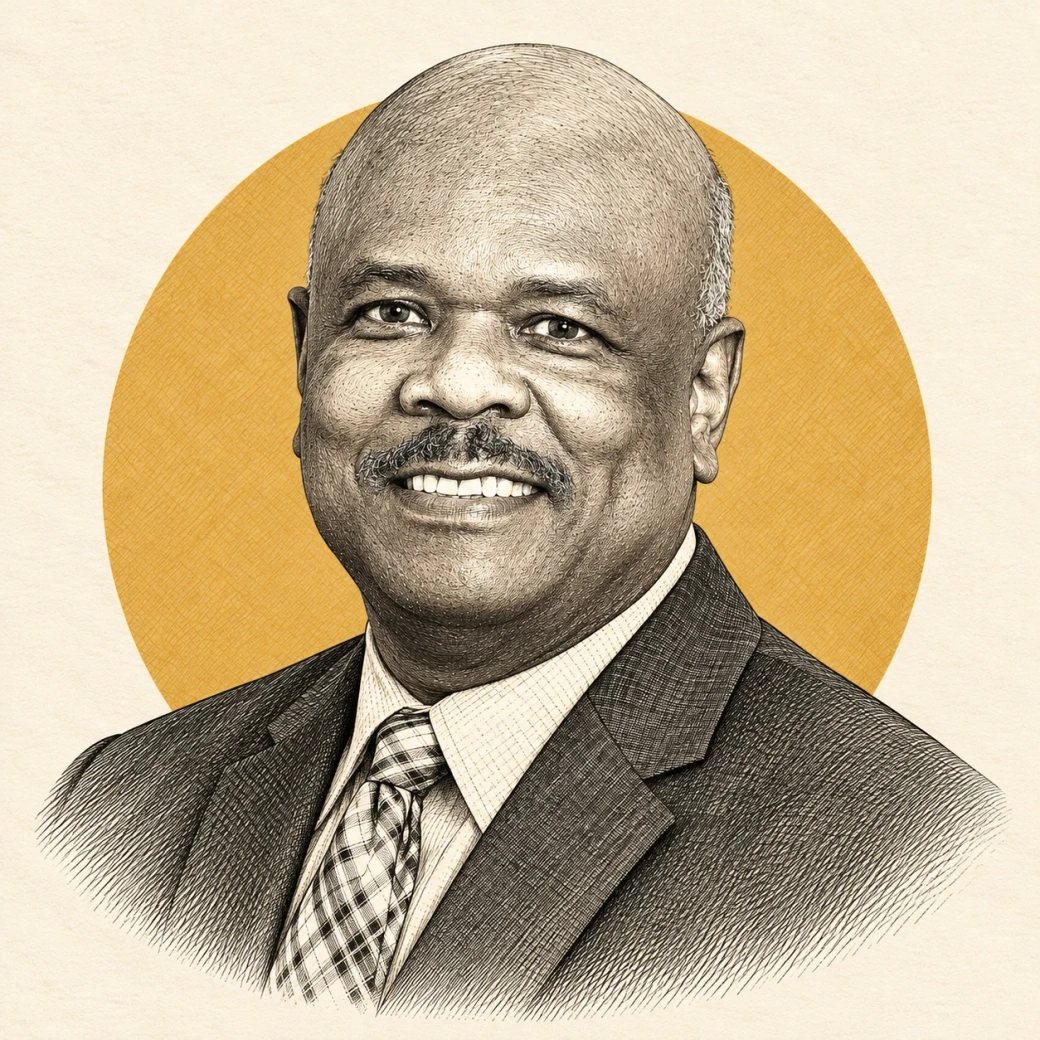
The National Institutes of Health's Undergraduate Scholarship Program sits inside the agency's Office of Loan Repayment and Scholarship. In 2000, Alfred C. Johnson became its director, taking charge of a program designed to move students toward research careers at the country's biomedical research agency.
Johnson prepared for that work on both sides of the laboratory bench and the administrator's desk. He completed his undergraduate degree in chemistry at Albany State University in 1979, then earned a doctorate in biomedical sciences at the University of Tennessee in 1985, performing his doctoral research at the biology division of Oak Ridge National Laboratory. He joined NIH in 1985 as a postdoctoral staff fellow in the National Cancer Institute's Laboratory of Molecular Biology. From 1996, he served as an investigator in that laboratory, running his own research within the federal intramural program.
His career then moved toward the systems side of science. From 2004, he served as acting director of the Office of Loan Repayment and Scholarship; from 2005, assistant director of the Office of Intramural Research. He went on to direct the Office of Research Services, which runs the operational support behind NIH's research enterprise. The NIH Almanac describes him as bringing more than twenty years of experience as an NIH researcher and administrator to those roles. In 2016, he joined NIH's senior leadership as Deputy Director for Management, a position that also carried the title of chief financial officer for the agency.
His path from an historically Black university's chemistry department to NIH leadership made him a visible example for students considering the same road. The NIH Record profiled his work with students in March 2006 under the headline "Johnson Motivates Students to Prepare for Research Careers." Three years later, the National Library of Medicine honored him among fourteen African American scientists featured in a Black History Month exhibition at the agency. At the exhibition's opening, Roland Owens, NIH's director of research workforce development, described its purpose: "The purpose of this poster project is to make it easier for everyone to see that there are black scientists doing great things for the world."
Johnson's career connected two jobs that often sit apart: producing peer-reviewed molecular biology and running the scholarship, loan-repayment and support programs that decide who gets to do that work next. He spent two decades at the laboratory bench and then turned to widening the door he had come through.
Sources and further reading
- Celebrating the Contributions of African American Scientists at NIH | National Library of Medicine
- Biomedical Science Careers Program newsletter: Alfred C. Johnson mentor profile, January2005, page2
- Alfred C. Johnson, Ph.D. | National Institutes of Health
- Johnson Motivates Students to Prepare for Research Careers | NIH Record, March 10, 2006
- Speakers | PSC FedHealth Conference