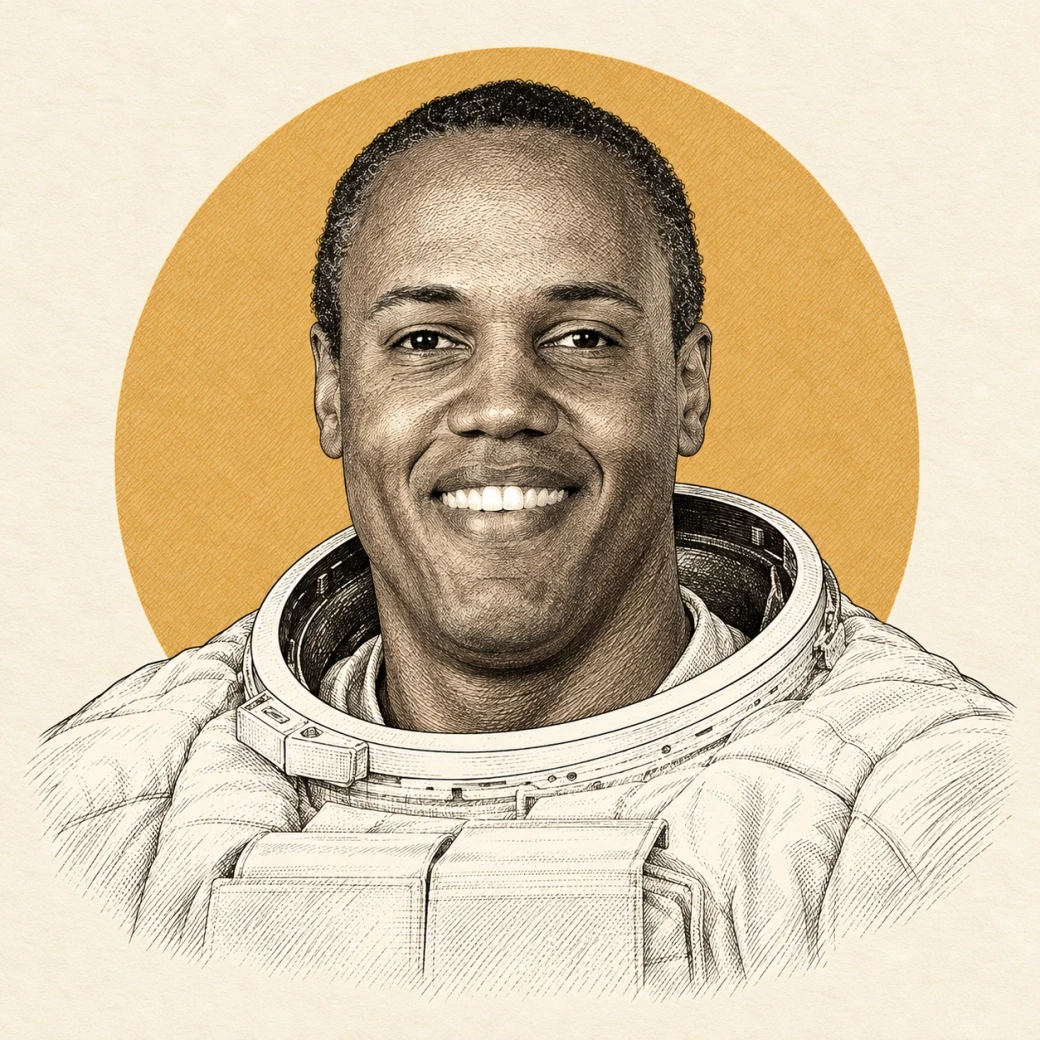
On shuttle mission STS-133 in 2011, Benjamin Alvin Drew Jr. stepped outside the International Space Station to help complete a laboratory that had taken more than a decade to assemble. Spacewalks were how the station grew: astronauts carried equipment, connected cables and installed modules while orbiting Earth at more than 17,000 miles per hour. Drew flew two shuttle missions in his NASA career, STS-118 in 2007 and STS-133, performing spacewalks on the second.
NASA's space shuttle fleet flew 135 missions between the first launch in April 1981 and the final landing in July 2011, and Drew served in the last years of that program. He had prepared for it through military aviation: he earned degrees in astronautical engineering and physics at the U.S. Air Force Academy in 1984 and later served as a colonel in the Air Force. NASA selected him as an astronaut in 2000.
After his flights, Drew moved into a newer kind of space problem. Earth orbit has become crowded with satellites and with debris from earlier missions, and objects traveling at orbital speed can damage spacecraft even when they are small. NASA identifies Drew as director of its Space Traffic Operations Risk Management Office, which coordinates work involving space traffic, orbital debris and meteoroid risks. The office exists because more operators are sharing orbit than ever before.
Drew has also worked to bring new people into the aerospace field. In 2020, he co-founded the Patti Grace Smith Fellowship, which supports aerospace internships for students, connecting his professional field with opportunities for emerging talent.
Space traffic management is a young discipline. When Drew first flew, active satellites were far fewer; commercial constellations now launch many spacecraft at a time, and debris from earlier missions stays in orbit for years. The office he directs exists to coordinate the agencies, companies and programs that share that environment.