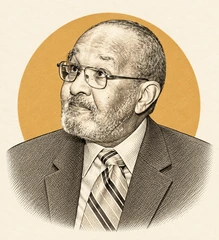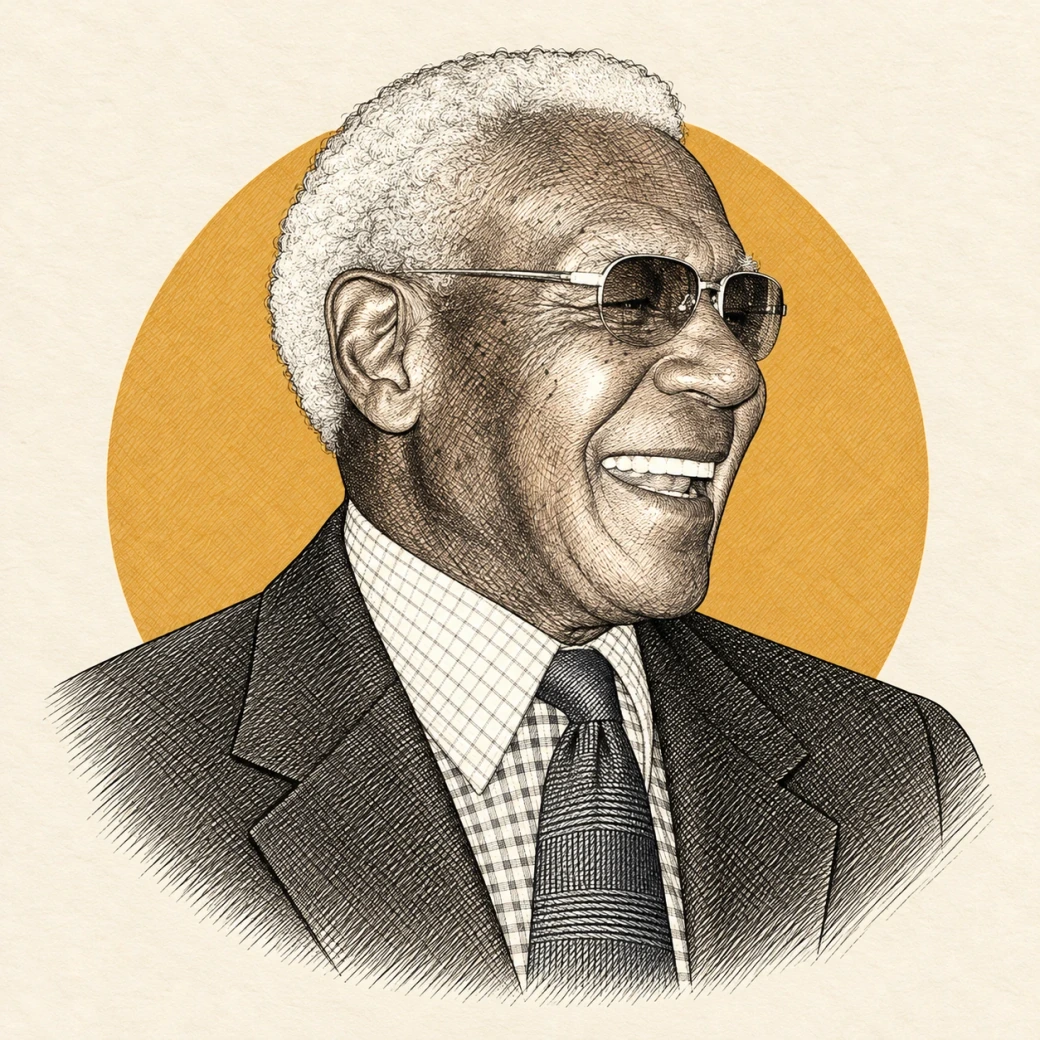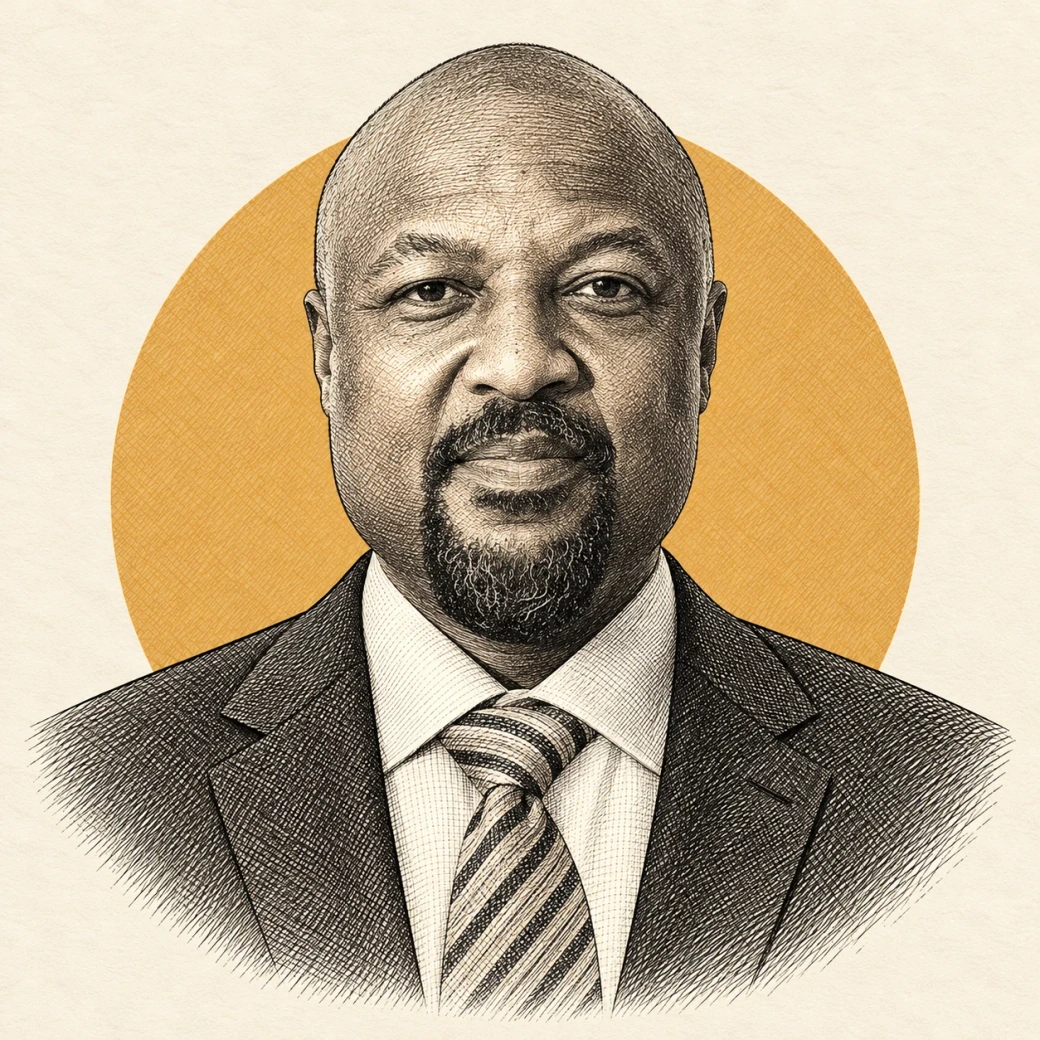
Charles Lee Isbell Jr. describes Atlanta as his hometown. He graduated from Georgia Tech in 1990 and then pursued doctoral research at MIT. On his faculty website, he explains that his dissertation developed a method for identifying structure in large collections of electronic text. Work at AT&T Shannon Laboratories followed before he returned to Georgia Tech as a faculty member in 2002.
His research concerns artificial intelligence that can interact with people and other systems. He studies how an intelligent agent adapts to its environment and coordinates with others, and his account discusses learning, activity discovery and tools for building interactive systems.
Isbell also participated in the Bell Laboratories Cooperative Research Fellowship Program. A university-hosted history lists him among African American participants who earned doctorates in mathematical sciences, including computer science. The fellowship program supported Black researchers as they developed their technical specialties.
At Georgia Tech, his educational work included a substantial role in the Threads undergraduate curriculum and the Online Master of Science in Computer Science program, and the university's 2026 account credits his contributions to both. The online master's program in particular made Georgia Tech's computer-science education available to students who could not move to Atlanta, and it grew through the work of many faculty members and administrators.
Isbell served as dean of Georgia Tech's College of Computing from 2019 to 2023 and later became provost at the University of Wisconsin-Madison. In 2025, the University of Illinois System announced his appointment as Urbana-Champaign chancellor, and a September 2026 university message signed by Isbell confirms his current office.
His Georgia Tech connection continued through a graduate fellowship bearing his name. In September 2026, the university reported that Sherilyn Francis was its first recipient. The award had been announced in 2023 and supports graduate students from underrepresented groups.
His dissertation method addressed a practical problem of the early internet era, when the amount of text available online was growing faster than anyone could read it. Finding structure in large text collections became a foundation for search and information retrieval, fields that grew alongside the web.