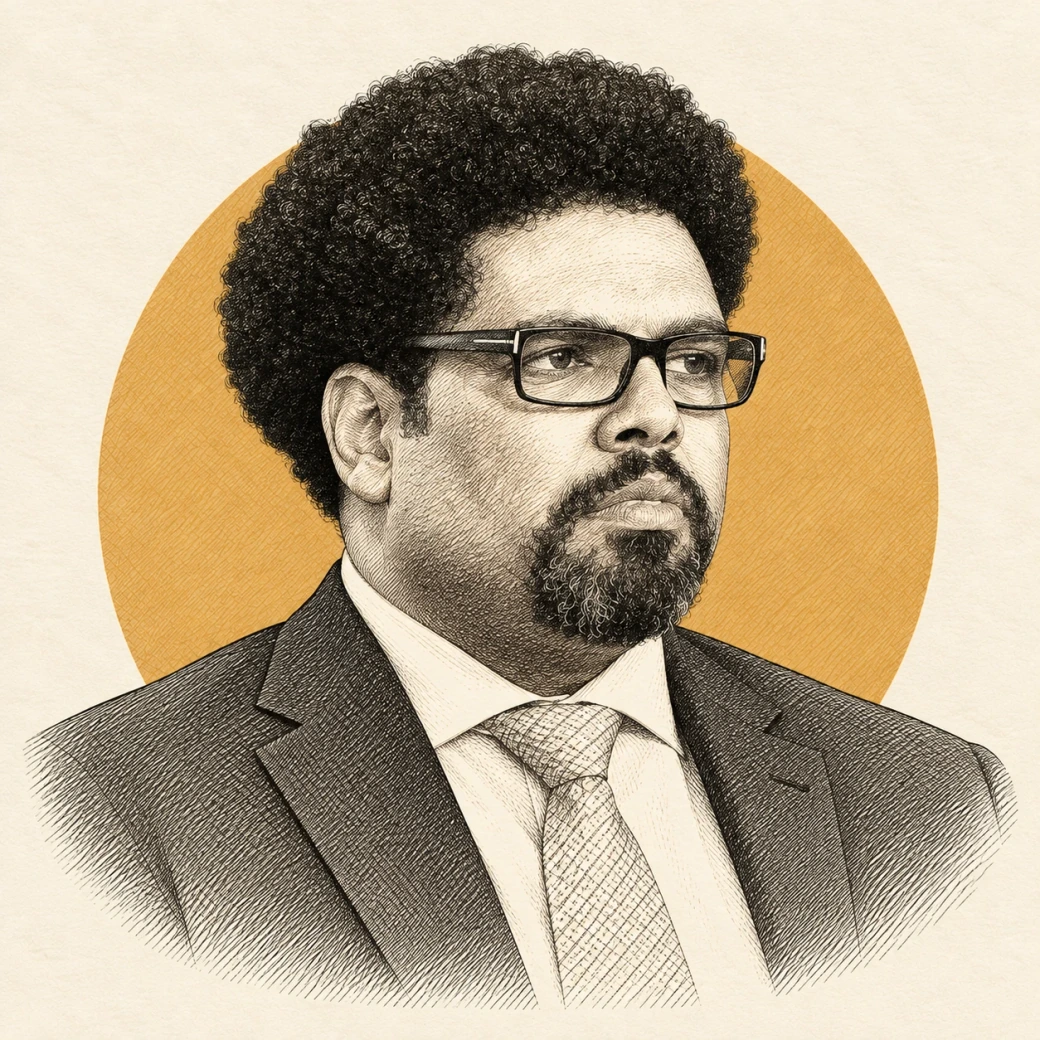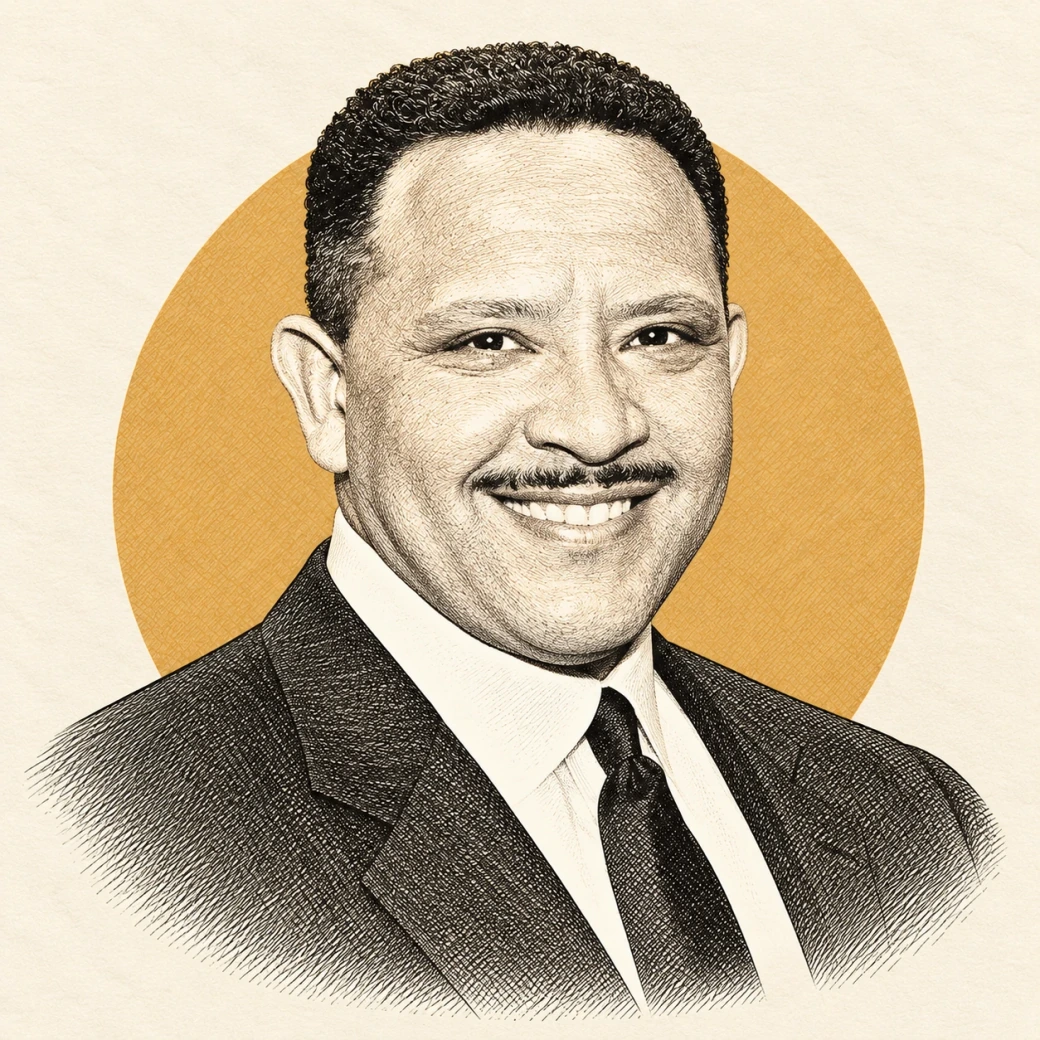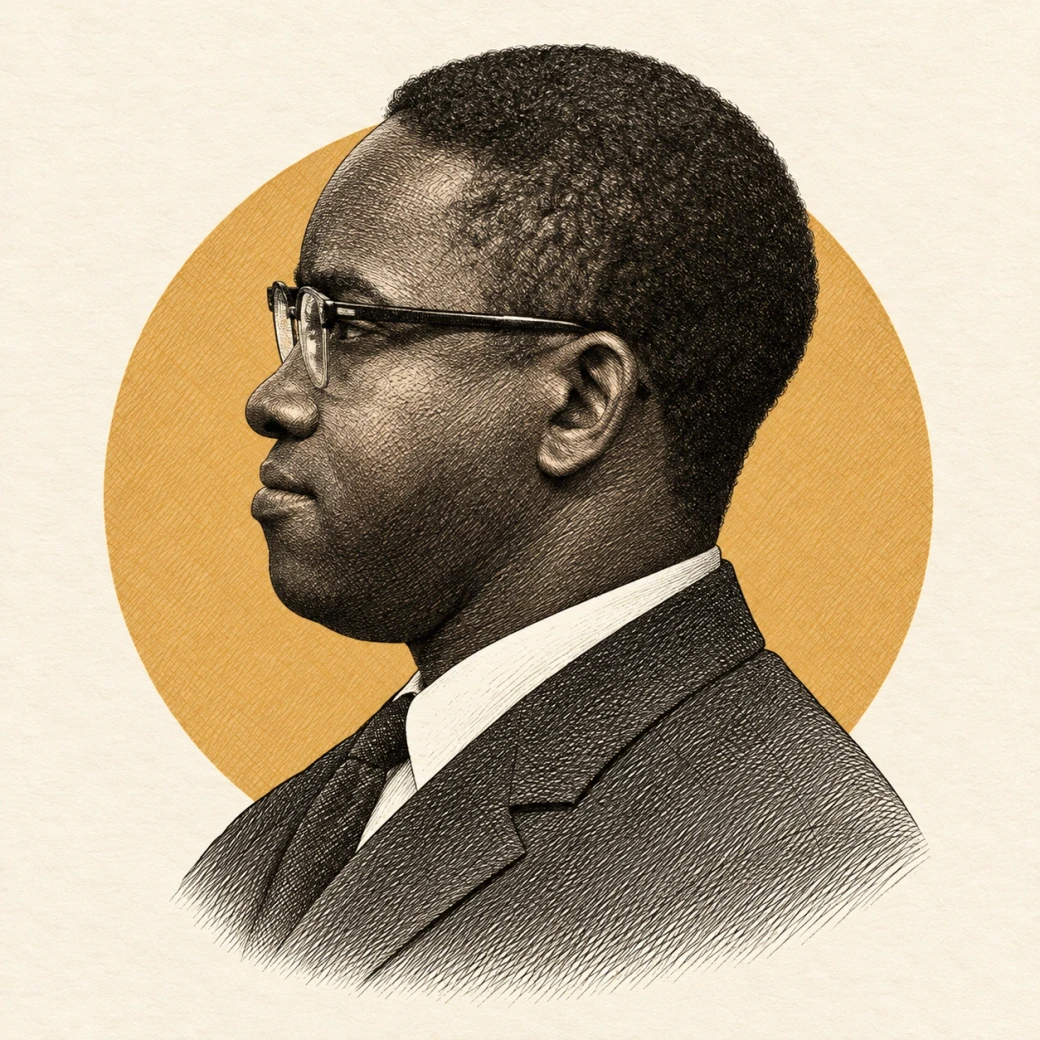
Andrew Brimmer joined the Board of Governors of the Federal Reserve System on March 9, 1966, becoming the first Black member in the board's history. He served until August 31, 1974.
Brimmer was born in Newellton, Louisiana, in 1926, the son of a sharecropper, and attended segregated schools. He served in the U.S. Army from May 1945 to November 1946, then entered the University of Washington, earning bachelor's and master's degrees in economics in 1950 and 1951. A Fulbright scholarship took him to India in 1951. He began doctoral study at Harvard in 1952 and received his doctorate in 1957, concentrating in monetary economics and international trade.
His association with the Federal Reserve System began while he was still in graduate school. From 1955 to 1958, he worked as an economist at the Federal Reserve Bank of New York, and from 1956 to 1957 he served on a three-man mission advising the government of Sudan on establishing a central bank. He taught at Michigan State University from 1958 to 1961, joined the Wharton School at the University of Pennsylvania in 1961, and in 1963 took a leave of absence to serve as deputy assistant secretary for economic affairs at the U.S. Department of Commerce.
On the Board, Brimmer became known as an expert on international monetary policy. He initially supported gradual increases in interest rates to fight inflation, and in 1968, after Congress raised taxes and cut spending to curb inflation, he was among the first Board members to call for rates to come down. He also used his position to draw attention to the economic circumstances of Black Americans.
After leaving the Board, he taught at Harvard for two years and founded the consulting firm Brimmer & Company. From 1995 to 1997, he led the District of Columbia financial control board, which Congress created to manage the city's troubled finances. His longest institutional commitment was at Tuskegee University, where he served on the board from 1965 to 2010 and chaired it for twenty-eight years, longer than anyone in the school's history; the university named its business school building for him. Brimmer died in 2012.