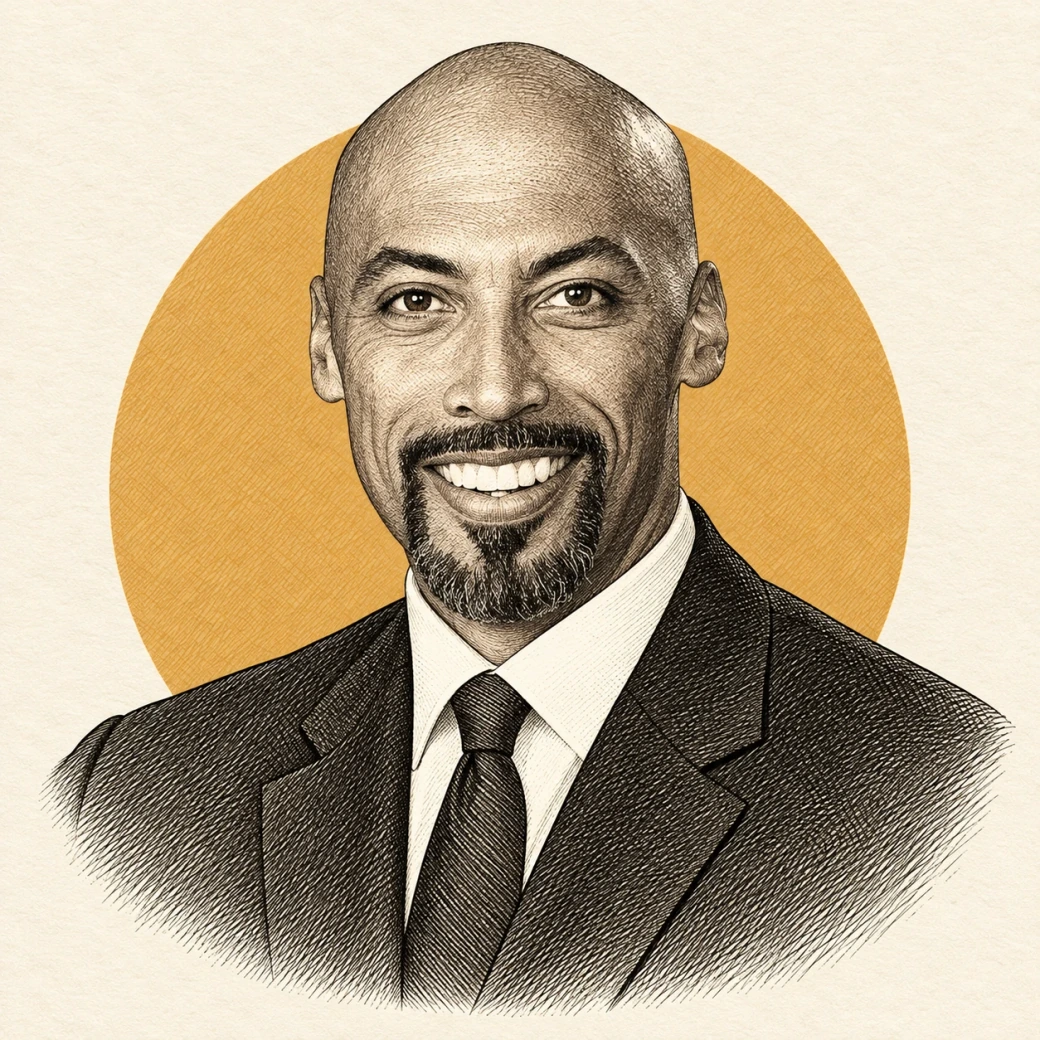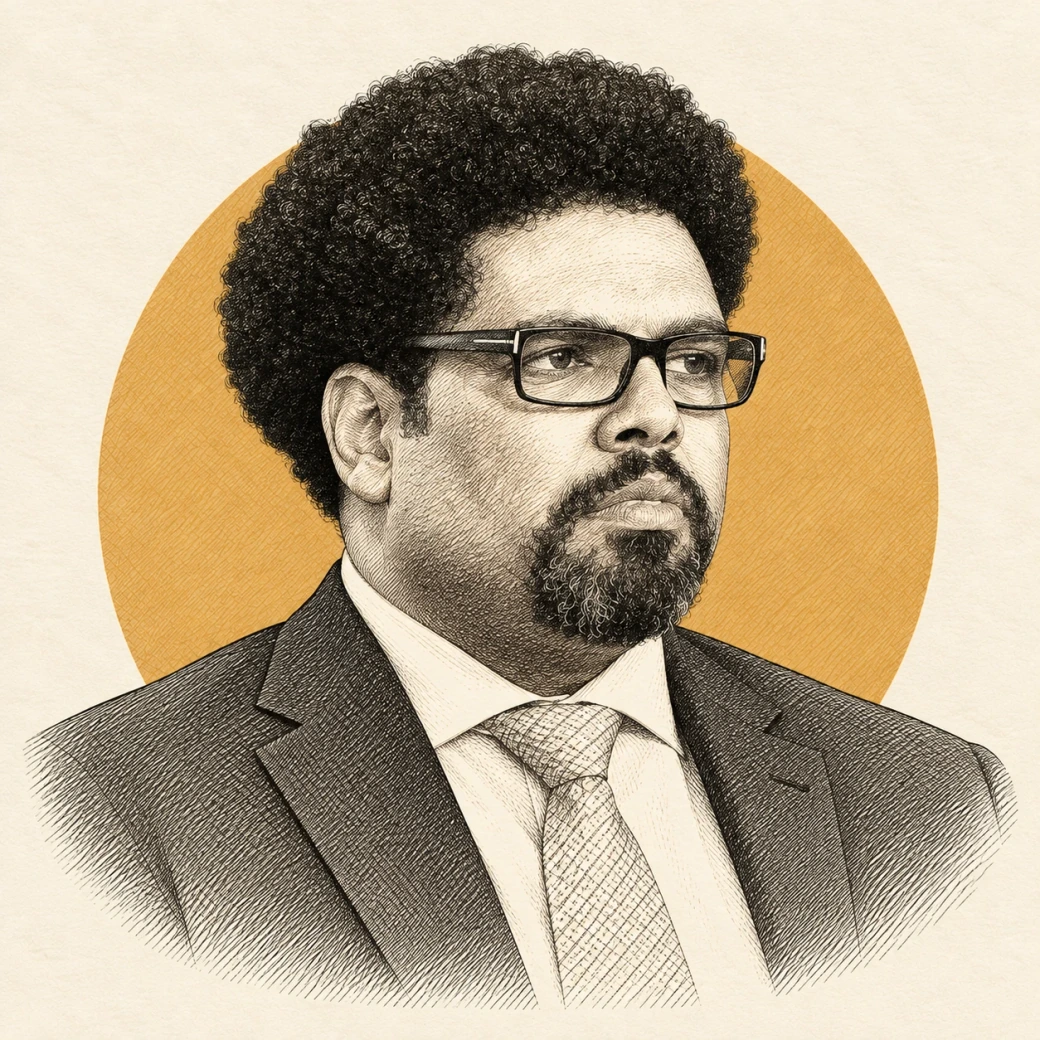
Darrick Hamilton studies economic inequality and its relationship to race and public policy. The New School identifies him as the Henry Cohen Professor of Economics and Urban Policy and founding director of its Institute on Race, Power and Political Economy, which he founded in 2021. His education includes a bachelor's degree from Oberlin College in 1993 and a doctorate from the University of North Carolina at Chapel Hill in 1999. He grew up in Brooklyn.
Hamilton is best known for the baby bonds proposal: trust accounts, established and funded by the federal government, for every child born in the United States, with larger balances for children from families with fewer resources. He developed the idea as a young academic and first described it to William A. Darity Jr., his dissertation adviser, about 25 years before the proposal gained national attention. In a 2010 paper, the two economists proposed giving every child born in the United States a publicly funded financial asset at birth, calibrated to family wealth and held in trust until adulthood. Commentators on economic policy have credited him as the intellectual father of the baby bonds movement.
The proposal keeps finding its way into public debate. TIME profiled Hamilton and Darity under the headline "The Architects of 'Baby Bonds' Are Finally Seeing Momentum," and the institute he directs published a January 2026 examination of the idea's past, present and future under the title Baby Bonds, Past, Present, Future.
His policy work also includes the proposal for a federal job guarantee, a standing offer of publicly funded employment. His New School faculty page lists baby bonds and the job guarantee among the policy proposals he has helped craft, and both have drawn substantial media attention.
In a Freakonomics Radio interview, Hamilton supported a federal commission to study reparations. His university biography also records congressional testimony and service on the Biden-Sanders Unity Task Force's economic committee.