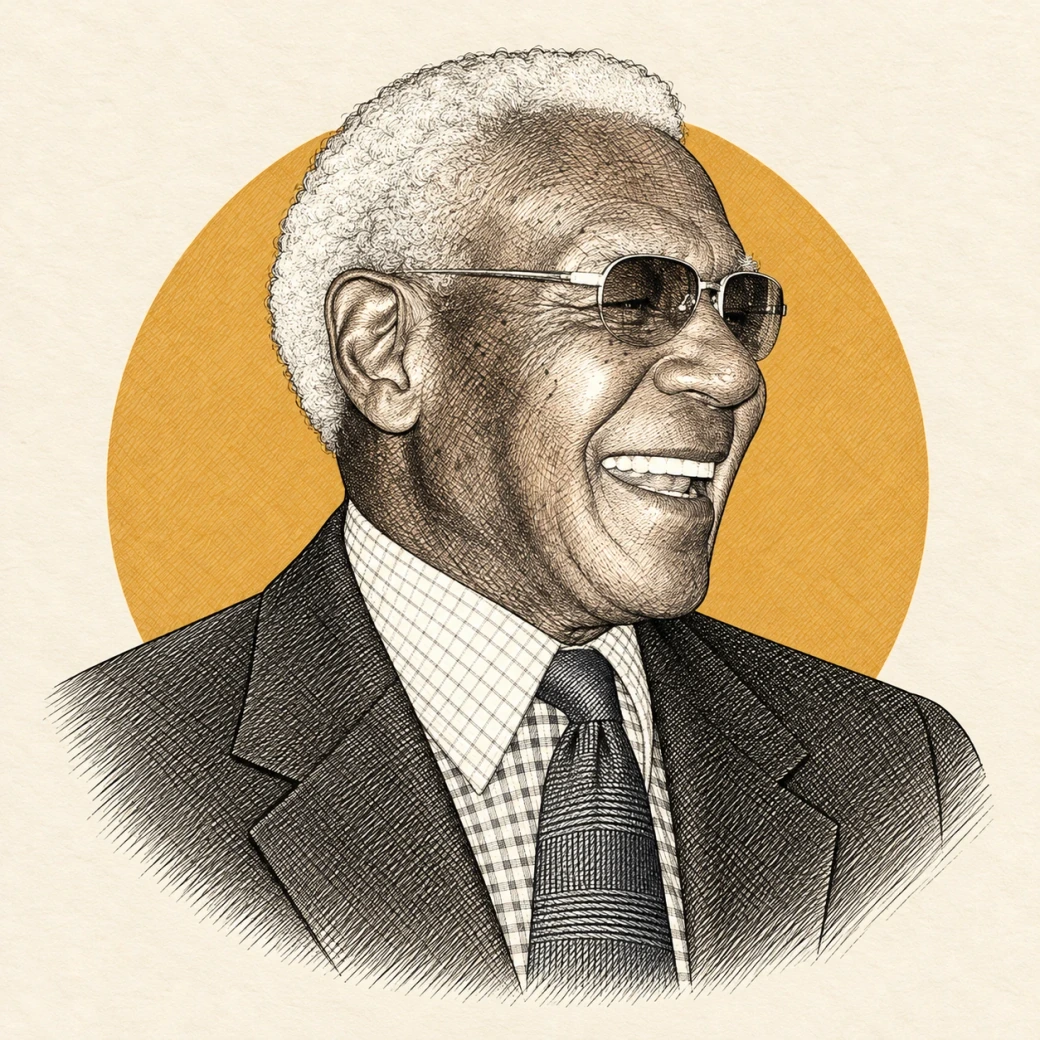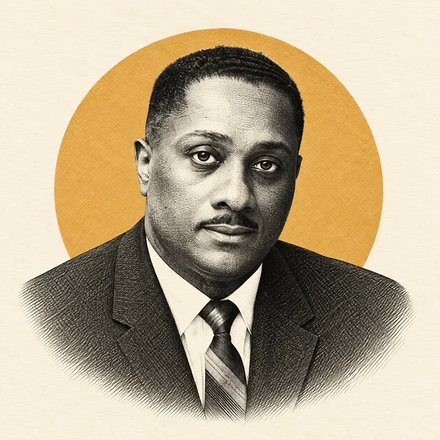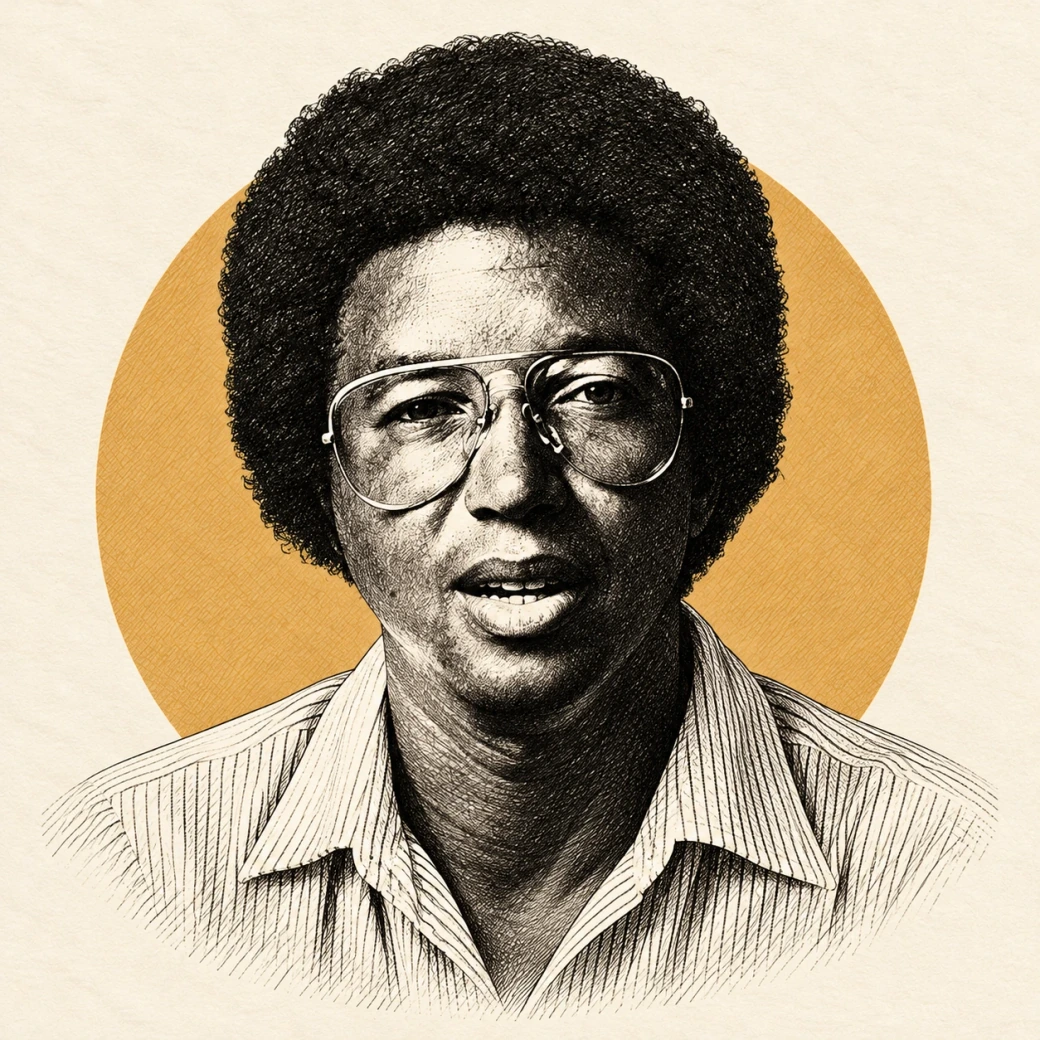
Arthur Ashe learned tennis on the courts segregation left open to him. Born in Richmond, Virginia, in 1943, he grew up in a city where the public courts at Byrd Park were restricted to white players. He learned the game instead on the small number of Richmond courts available to Black players, after watching a neighbor, Ronald Charity, practice nearby. Charity and, later, the physician and coach Walter Johnson helped develop his game.
He later attended UCLA, winning the NCAA singles championship and contributing to its team championship in 1965. He graduated in 1966. International play had already begun: he joined the United States Davis Cup team in 1963 and helped it win the Davis Cup in 1963, 1968 and 1969.
Ashe won the U.S. Open men's singles championship in 1968, the Australian Open in 1970 and Wimbledon in 1975. The International Tennis Hall of Fame identifies him as the first African American man to win each of those titles. The 1968 final carried its own distinction: it came in the first year of the Open era, when amateurs and professionals could meet in the same draws, and Ashe, still an amateur, defeated Tom Okker while serving twenty-six aces. At Wimbledon, he defeated Jimmy Connors using changes of pace and placement as part of his strategy.
He also helped organize opportunities beyond his own matches. In 1969, Ashe joined Charlie Pasarell and Sheridan Snyder in creating the National Junior Tennis League, now known as National Junior Tennis and Learning, an organization that connected tennis with opportunities for young people. In 1972, he helped establish the Association of Tennis Professionals to represent male professional players.
His public activity extended into opposition to apartheid. After South Africa denied him a visa, he pressed for its exclusion from international tennis. He eventually played there in 1973. Later, he worked with Harry Belafonte on Artists and Athletes Against Apartheid.
Writing was another contribution. In 1988, Ashe published A Hard Road to Glory, a three-volume history of African American athletes.
On December 3, 1992, he announced the Arthur Ashe Institute for Urban Health, addressing concerns about health-care access in urban communities. The institute's account describes education and outreach as central to its mission. Ashe died in 1993, and the organization's work continued through staff and community partners.