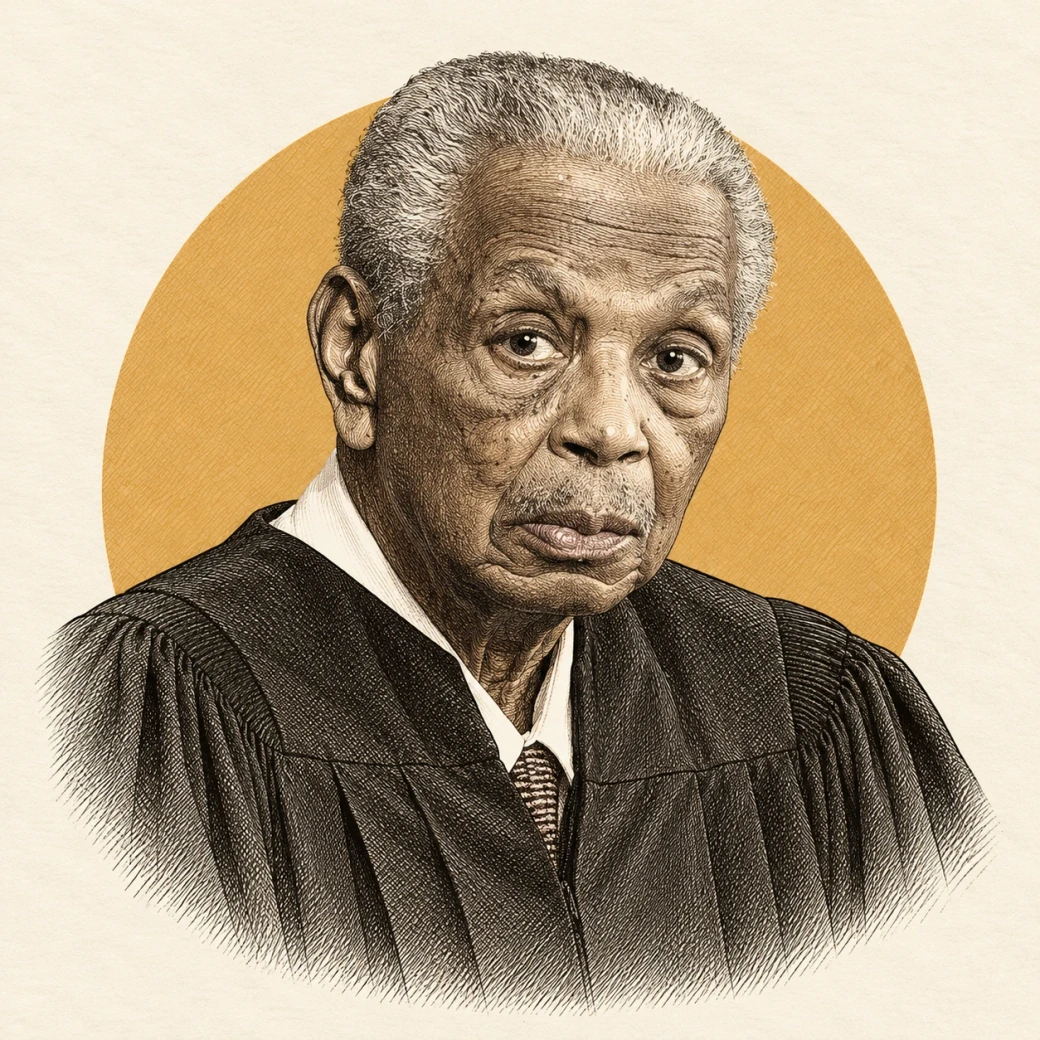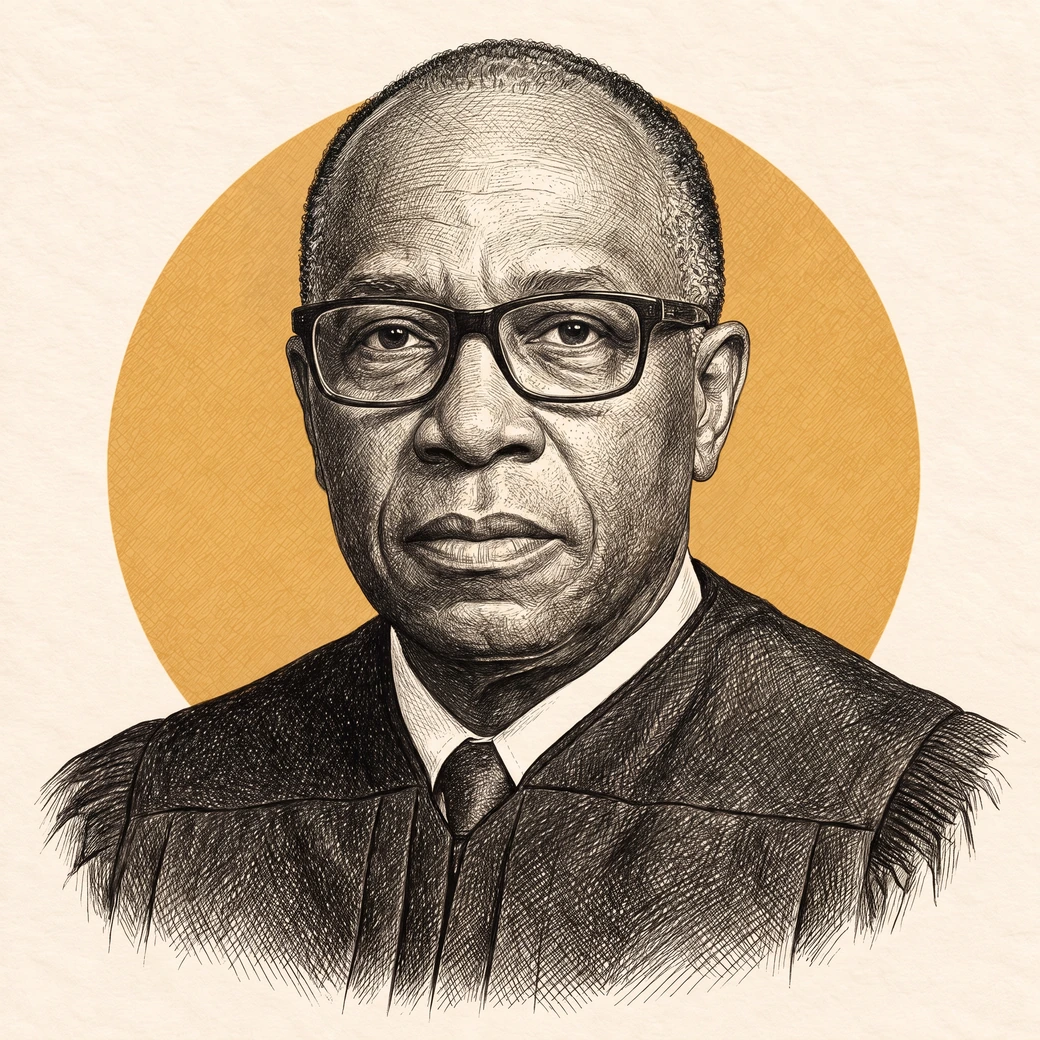
Barrington D. Parker Jr. was born on August 21, 1944, in Washington, D.C., to Marjorie Holloman Parker, who chaired the board of the University of the District of Columbia, and Barrington D. Parker Sr., a federal district judge. Growing up with a father on the bench gave him an early view of federal judging; his own route there ran through two decades of commercial litigation in New York City.
He graduated from McKinley Technical High School, earned a history degree at Yale College in 1965 and his law degree at Yale in 1969. His first job was a clerkship with Judge Aubrey E. Robinson Jr., an African American judge on the federal district court in Washington. In 1970, he joined Sullivan & Cromwell in New York as an associate specializing in commercial litigation. In 1977, he and three other lawyers founded their own firm, Parker, Auspitz, Neesemann & Delehanty, which merged with Morrison & Foerster in 1987; he remained a partner there until his judicial appointment.
His commitments extended beyond business disputes. He served as president of the Harlem School of the Arts board, as vice president of the NAACP Legal Defense Fund, on the board of the Central Park Conservancy and, from 1999, on the Yale Corporation, the university's governing board.
President Bill Clinton appointed Parker to the Southern District of New York in 1994. His district-court work included upholding a church's right to rent space in a public school and presiding over the tax-evasion trial of businessman Albert J. Pirro Jr. President George W. Bush nominated him to the Second Circuit in 2001, and the Senate confirmed him by a vote of 100 to 0.
On the appeals court, Parker took cases involving the rights of terrorism suspects. He ruled that Jose Padilla, an American citizen held as an enemy combatant, had to be allowed to pursue his habeas corpus petition, and he dissented in a case involving Maher Arar, arguing that the government's policy of extraordinary rendition had violated Arar's rights. He took senior status in 2009.