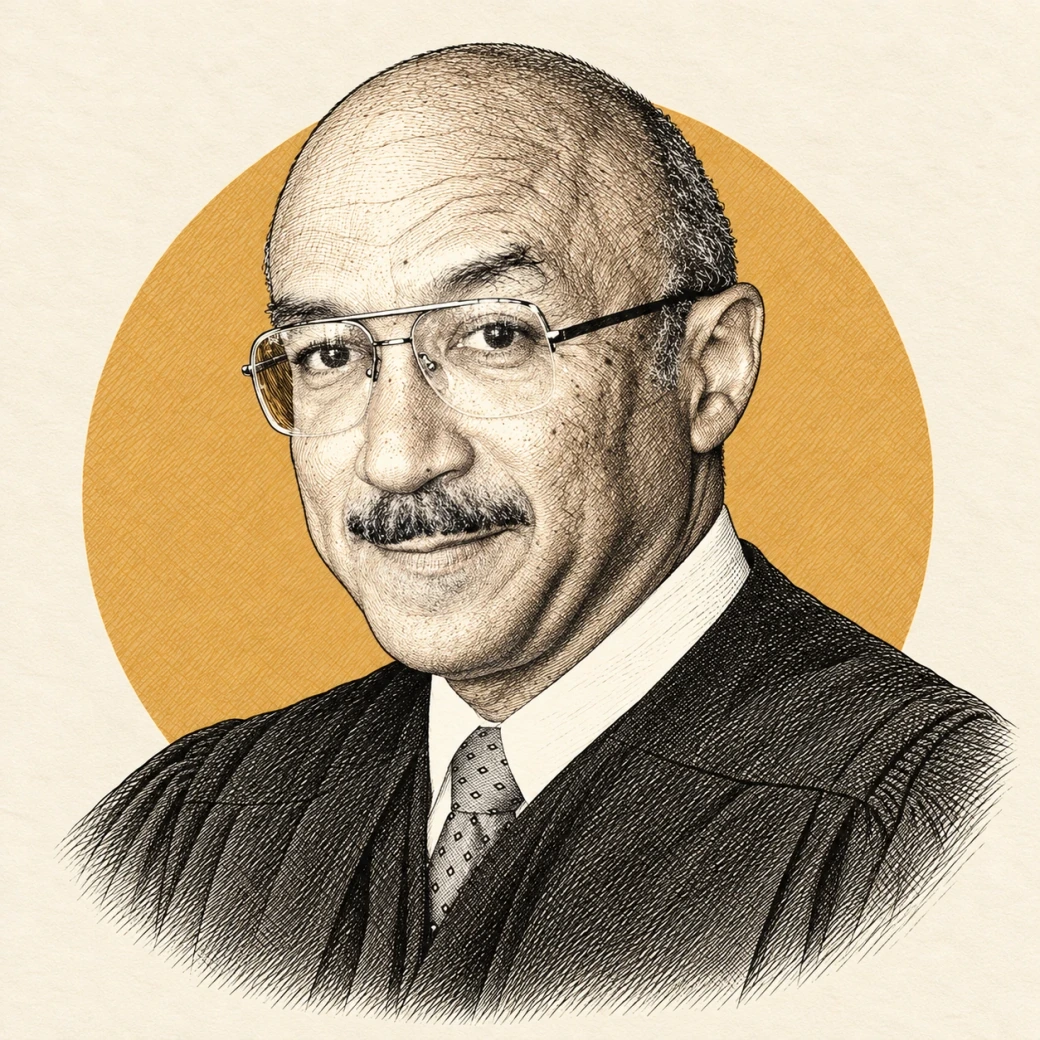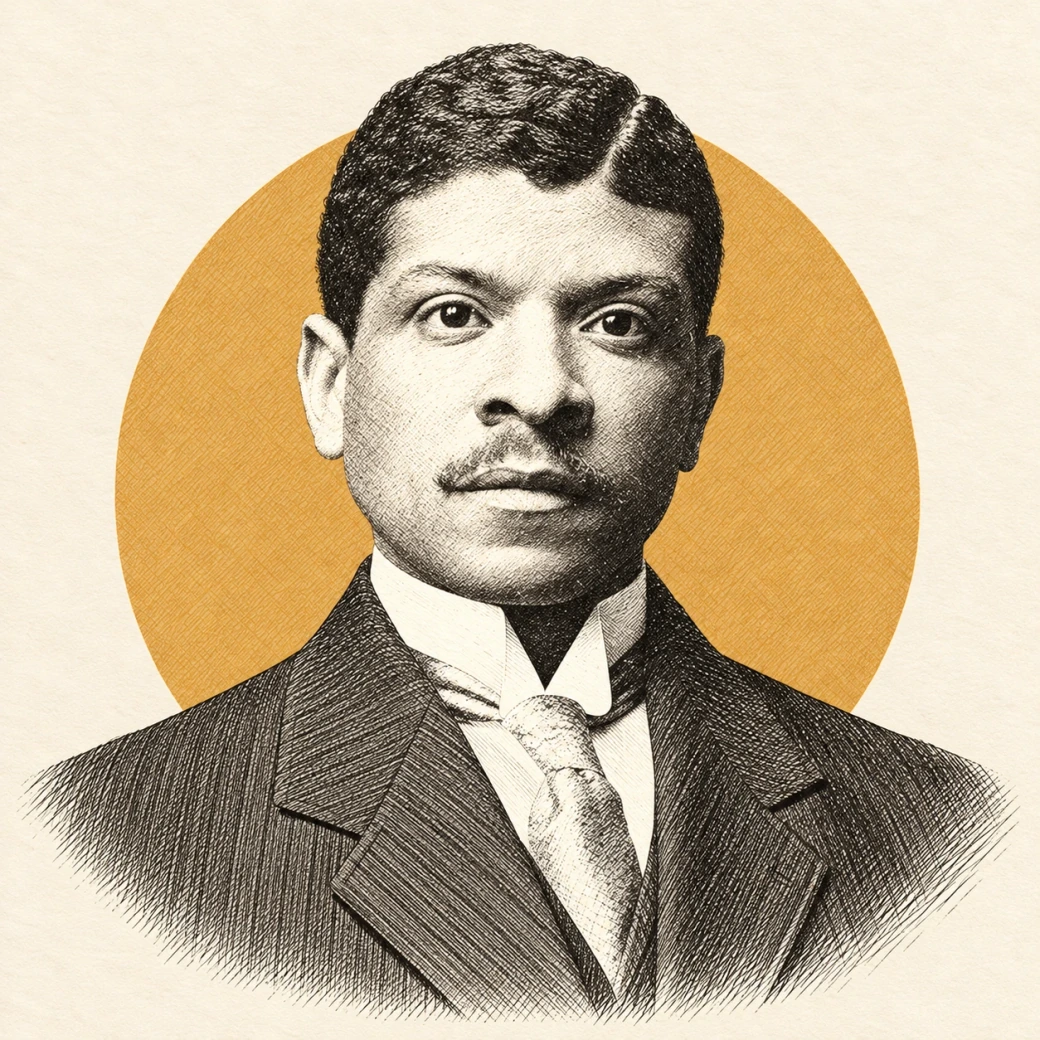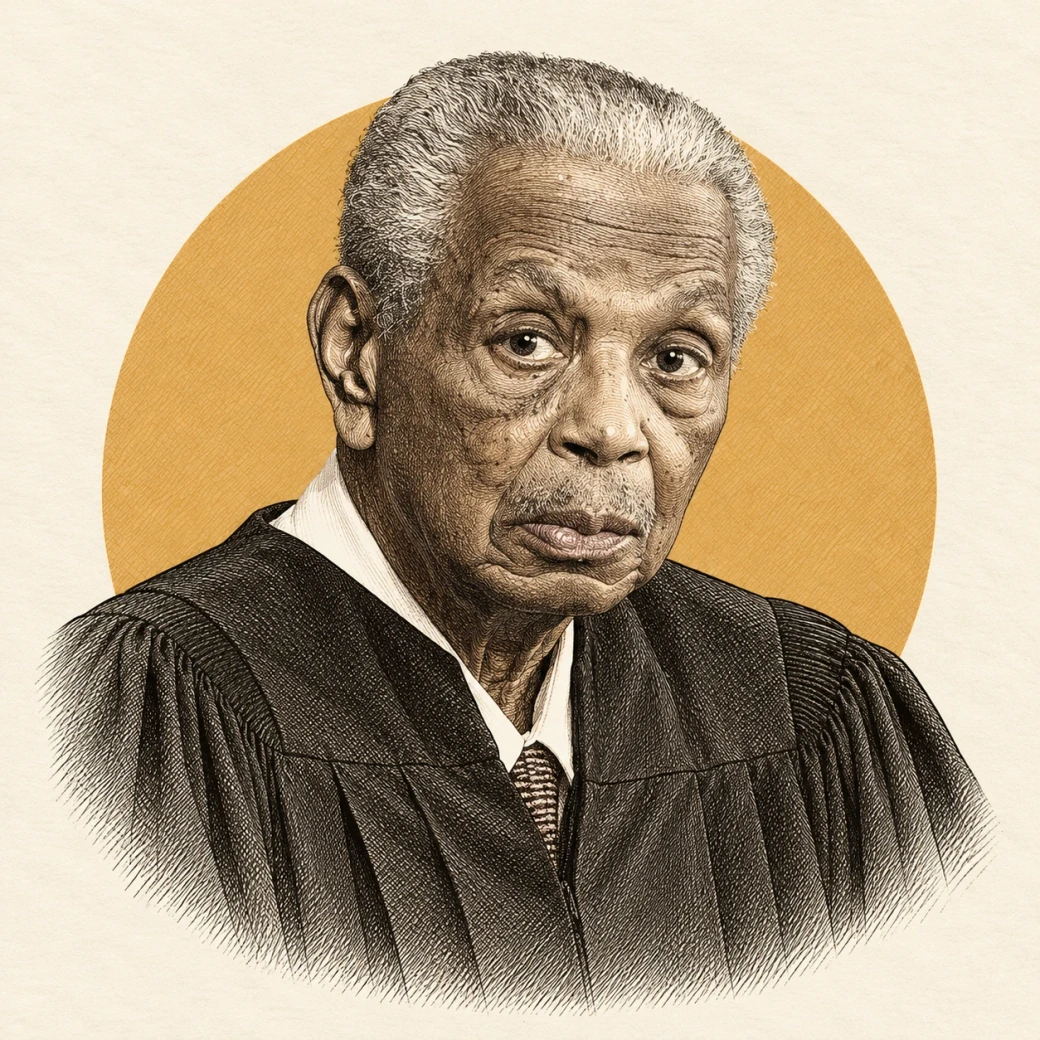
Damon Jerome Keith ruled that an urban-renewal project in Hamtramck, Michigan, had discriminated against Black residents forced from their homes, and he ordered the city to build low-income housing to replace what it had destroyed. His judicial work also included the 1970 decision ordering citywide busing to desegregate the Pontiac schools, the first ruling to extend federal court-ordered school integration to a Northern city, and rulings against discriminatory employment practices.
Born in Detroit on July 4, 1922, the son of a Ford foundry worker, Keith served in the segregated Army during World War II, driving trucks in Europe. Coming home, he recalled having to ride in the back of buses while German prisoners of war rode in front, and he decided to become a lawyer. He earned his law degree at Howard University in 1949, studying in the school that trained lawyers to challenge segregation, and later received a master of laws at Wayne State. After years in private practice, including a firm that became the first Black law firm in Detroit's legal district, President Lyndon Johnson appointed him to the federal district court in eastern Michigan in 1967. He moved to the Sixth Circuit Court of Appeals in 1977 and served until his death on April 28, 2019.
One of his best-known district court rulings came in 1971, when he held that President Richard Nixon and Attorney General John Mitchell had violated the Constitution by wiretapping domestic political targets without a court order. The Supreme Court unanimously upheld his decision. In 2002, already on senior status, he ordered the government to open deportation proceedings to the public, writing the line that became a rallying cry for press freedom: "Democracies die behind closed doors."
Keith's papers became a cornerstone of an archive documenting the work of Black lawyers and judges. Wayne State professor Edward Littlejohn proposed the collection, and the university's Reuther Library established it in 1994. It preserves records of Keith's cases alongside the papers of other civil-rights advocates. Wayne State later opened the Damon J. Keith Center for Civil Rights at its law school, and the judge kept mentoring law clerks and young lawyers into his nineties.