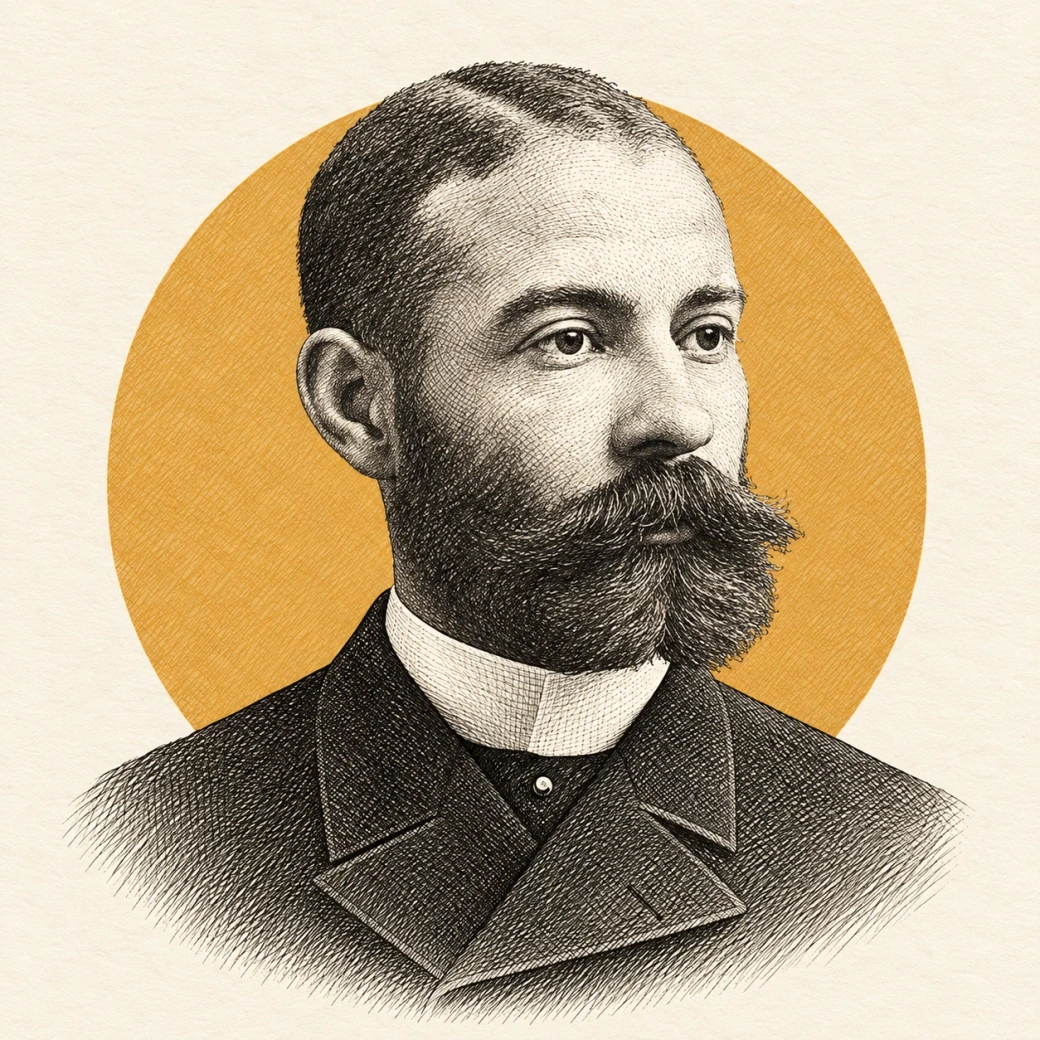
In March 1999, about three hundred people filled a room at the Wyndham Sugar Bay resort in St. Thomas for the American Cancer Society's annual breakfast fund-raiser. The local chapter was honoring four outstanding Virgin Islanders, and one of them was Bert Petersen Jr., a surgical oncologist who practiced in New York. A breast cancer survivor named Aloma Dawson flew from New York City to be there. She had met Petersen at a wedding on the island shortly after her first surgery, and he had followed her five-year ordeal, through hair loss and a recurrence that required surgery. He did not operate on her himself, he told the St. Thomas Source, because of his emotional involvement. When he introduced her at the breakfast, he said she was the person who had motivated him to pursue his specialty further.
Petersen was born in St. Thomas, in the U.S. Virgin Islands. He left the islands to study medicine at the Johns Hopkins School of Medicine, receiving his medical degree in 1987. His surgical training took him to the George Washington University Medical Center in Washington, D.C., for a general surgery residency, and to Memorial Sloan-Kettering Cancer Center in New York for a fellowship in surgical oncology.
He built his career in New York. By the late 1990s he was practicing at Beth Israel Medical Center in Manhattan, and he went on to serve as chief of breast surgery there, according to his professional biography. In those years he also joined collaborative research on a practical question: what treatment do older women with breast cancer actually receive? He coauthored peer-reviewed studies with epidemiologist Jeanne Mandelblatt and other colleagues that examined patterns of care, published in journals including Cancer and the Journal of Clinical Oncology.
His interest in the disease had a particular focus. In his conversation with the St. Thomas Source, Petersen explained that African American women under the age of 50 had a higher rate of breast cancer than any other population, and that tumors in Black women were more likely to come with high-risk features, such as positive lymph nodes and tumors lacking estrogen and progesterone receptors, which made them resistant to chemotherapy. He and Dawson appeared together on national talk shows to raise awareness of how aggressive breast tumors diagnosed in young Black women could be.
Petersen carried the work back to his home region. According to Africa Cancer Control Partners, where he serves as chief executive officer for New York, he co-founded the Charlotte Kimmelman Cancer Institute in St. Thomas, which that organization describes as the first regionally based comprehensive cancer center in the Caribbean. The same biography describes him as a leader in developing health equity programs that emphasize screening, diagnosis and treatment of cancer among underserved people of African ancestry, built on nearly three decades of experience as a surgical oncologist.
In New York, Petersen directs the Division of Breast Surgery at St. Barnabas Hospital in the Bronx, part of SBH Health System, and holds an appointment as an associate professor at NYU School of Medicine. The cancer center co-founded in his home islands and the breast surgery service he leads in the Bronx both grew from the same commitment: bringing specialized cancer care to communities that historically had the least access to it.
Sources and further reading
- Empowering my breast cancer care: The impact of choosing a Black oncologist | Living Beyond Breast Cancer
- Bert Petersen | URU The Right To Be
- Bert Petersen Jr., MD | SBH Health System
- Our Team | Africa Cancer Control Partners
- Tears Flow as Dr. Bert Petersen Is Honored | St. Thomas Source
- Bert M. Petersen | WikiDoc
- Patterns of breast carcinoma treatment in older women | Cancer
- Dr. Bert Petersen, MD | WebMD