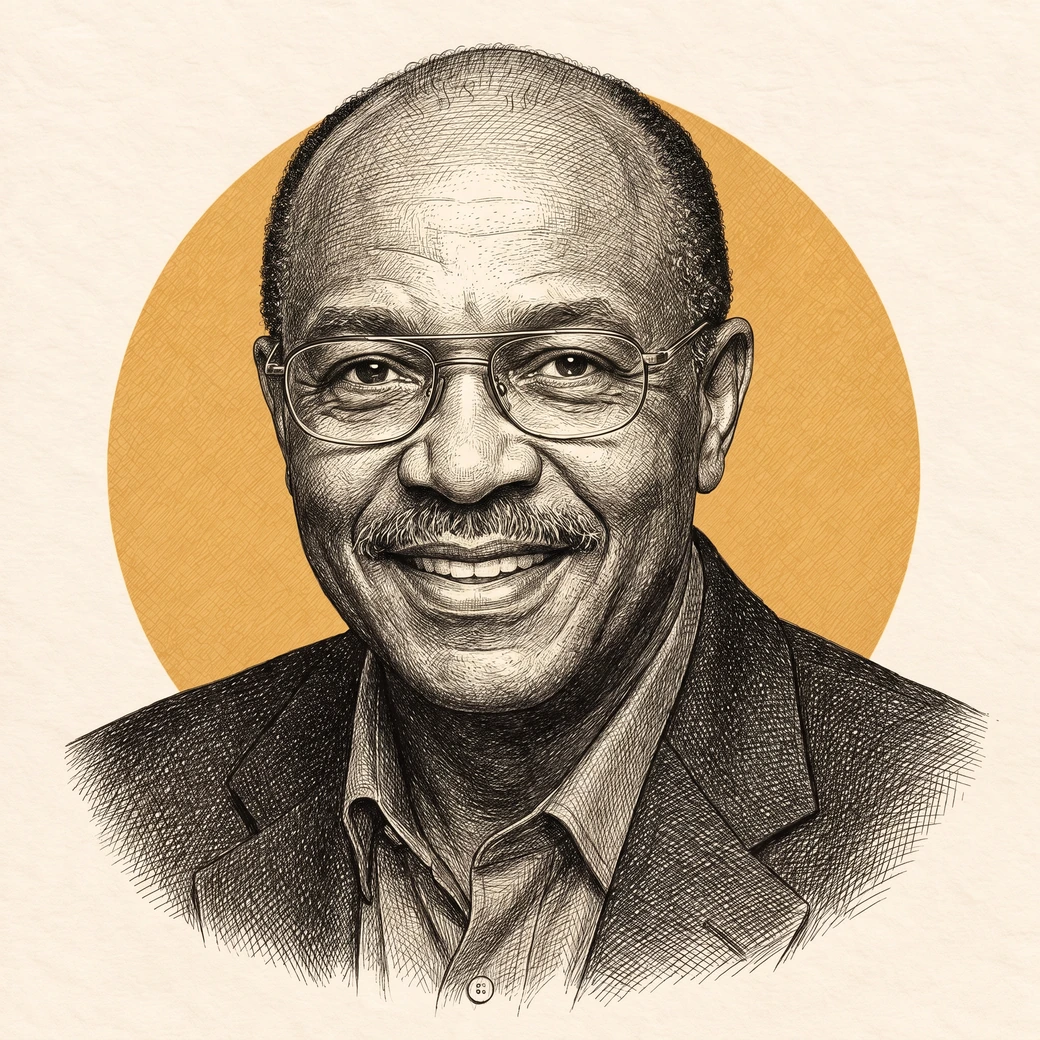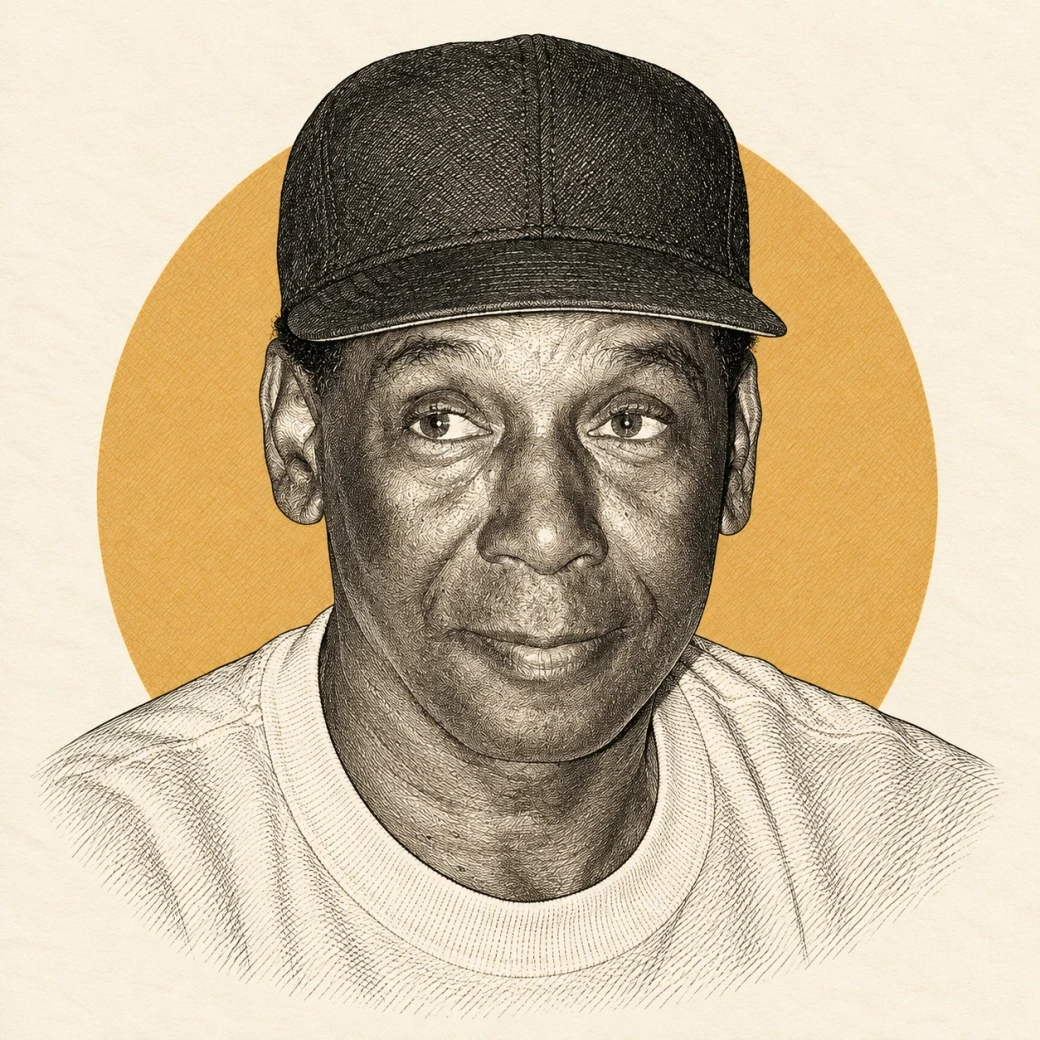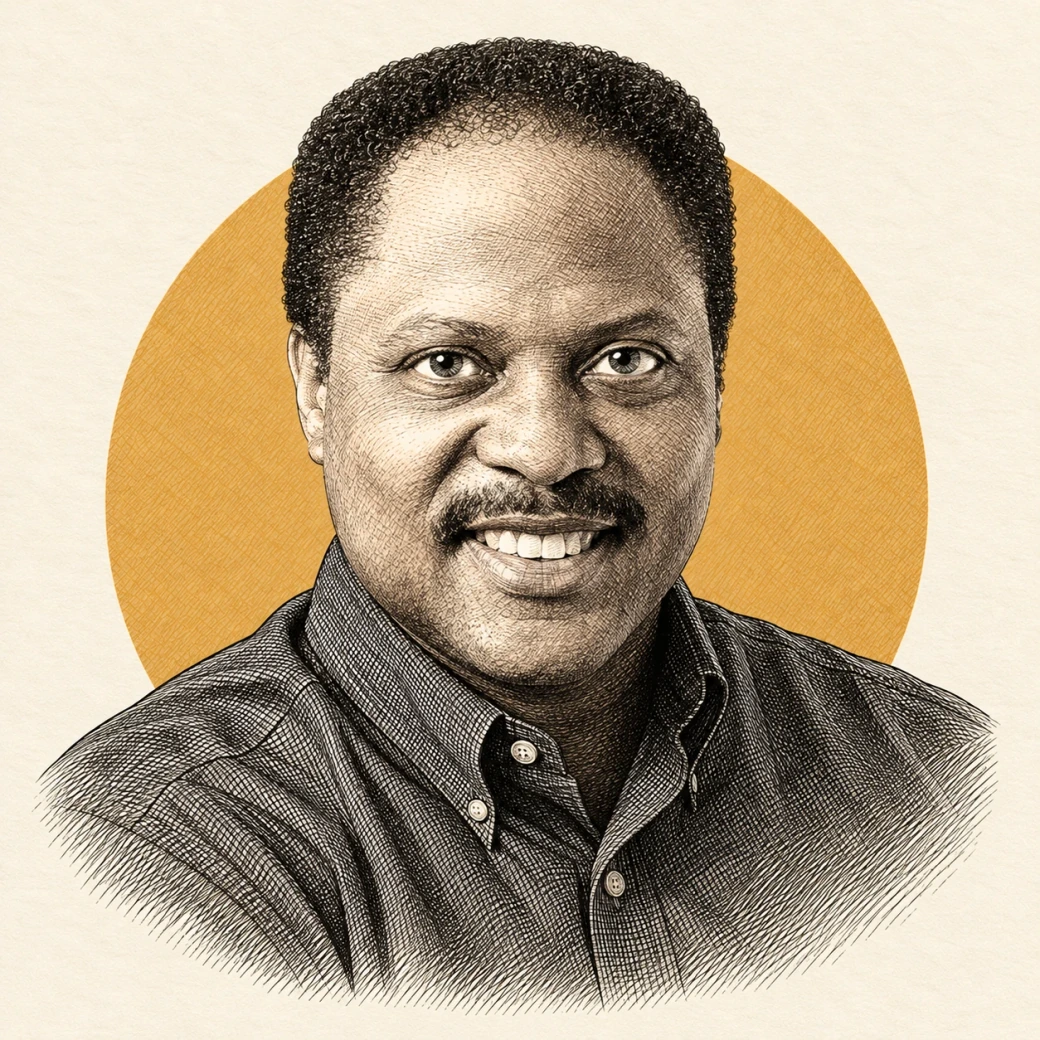
The Mars rovers that reached the planet in 2004 could not be steered minute by minute from Earth. Radio signals take many minutes to travel between the planets, so a rover's driving software had to understand the terrain on its own. Edward W. Tunstel Jr., an African American robotics engineer, worked on that problem: for the Mars Exploration Rovers, he developed autonomous navigation and led the mobility and robotic-arm operations sub-element within the engineering team.
Tunstel earned mechanical-engineering degrees at Howard University and a doctorate in electrical engineering at the University of New Mexico. He joined the Jet Propulsion Laboratory in 1989, the laboratory that builds NASA's robotic planetary spacecraft. His responsibilities there included leading systems engineering for the FIDO rover research platform, a terrestrial testbed for rover technologies, and developing navigation and control systems for planetary rover projects.
A rover's software has to make repeated judgment calls: whether a patch of ground will bear the vehicle's weight, how far an arm can reach, when to stop. Autonomous navigation for planetary rovers depends on such software working reliably where a repair visit is impossible. Tunstel's roles placed him within the teams doing that engineering.
His later career moved among institutions. An Edison Awards speaker biography identifies him as robotics research-and-development director at Southwest Research Institute, following roles at Johns Hopkins APL, Raytheon and Motiv Space Systems. His work extends to cooperative robots and machines designed to work with people. JPL lists him as a former member; his rover work is described historically.
FIDO tested ideas that flight rovers would need: autonomous navigation across unknown ground, mobility sequences and the use of a robotic arm. The Mars Exploration Rovers carried that approach to another planet, where each rover was expected to travel farther than any previous mobile craft on Mars. On a planet where instructions from Earth arrive minutes late, a rover that cannot judge its own terrain is a rover that stops.
Tunstel's later positions kept him near that same problem set. At Southwest Research Institute he directed robotics research and development, and at APL and in industry he worked on autonomous and cooperative machines. The through-line is control software for machines that must decide for themselves, whether the terrain is Mars or a factory floor.