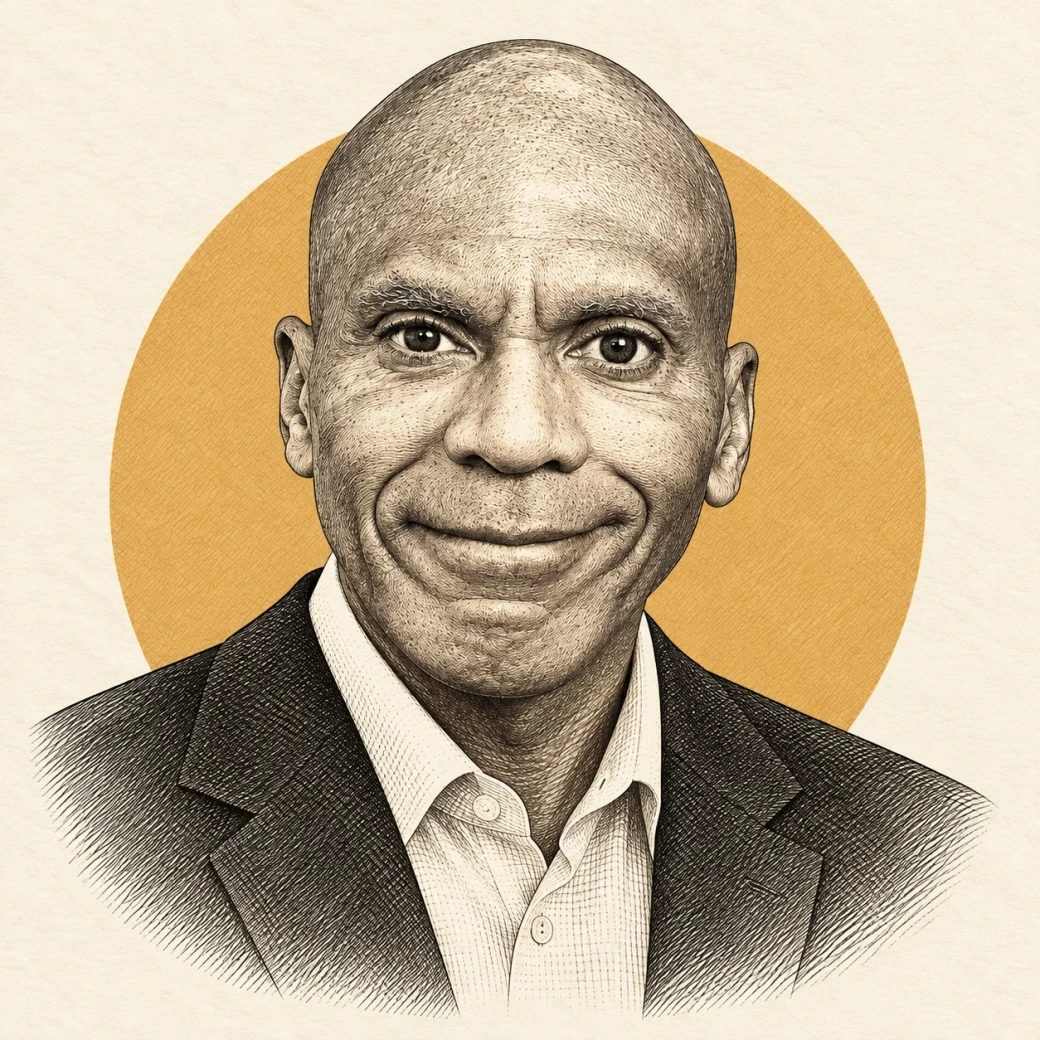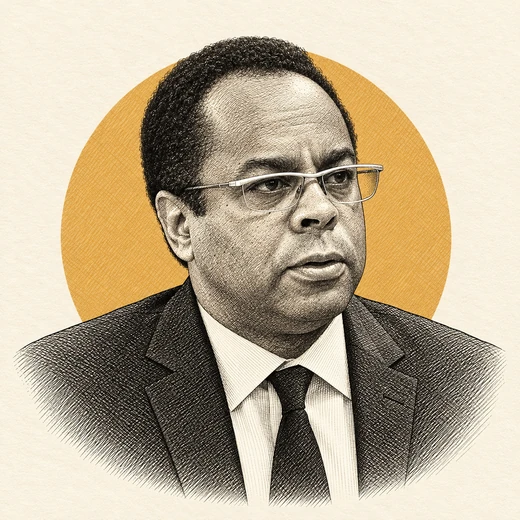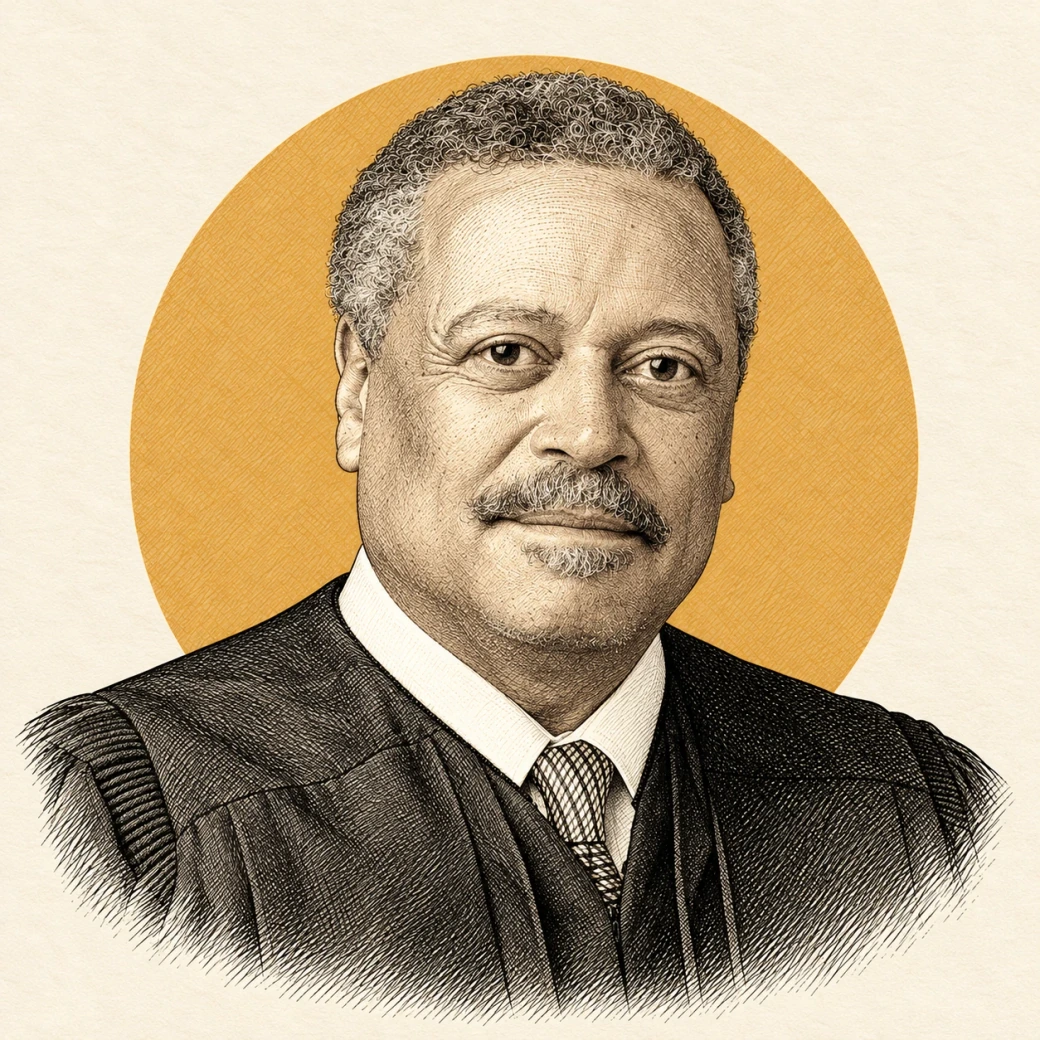
A standing order from Judge Emmet G. Sullivan gives federal prosecutors a specific instruction: turn over evidence favorable to the defense when it is material to guilt or punishment, provide it on time, and make it usable. The order puts a constitutional obligation into everyday courtroom practice. A document buried in disorganized files or delivered too late can leave the defense unable to assess its significance.
Sullivan's legal career has unfolded in Washington, D.C., where he was born and attended public schools. He graduated from McKinley High School in 1964, earned a political-science degree at Howard University in 1968 and completed his Howard law degree in 1971. His first work after law school came through a Reginald Heber Smith Fellowship with the Neighborhood Legal Services Program.
A clerkship with D.C. Superior Court Judge James A. Washington Jr. followed. Washington had also been a professor and acting dean at Howard's law school. Sullivan then joined Houston & Gardner in 1973, later becoming a partner in the firm and its successor, Houston, Sullivan & Gardner. General legal practice kept him involved in the local courts before he became a judge himself.
Presidents from both major parties appointed Sullivan to three different courts. Ronald Reagan appointed him to the D.C. Superior Court in 1984. George H. W. Bush appointed him to the D.C. Court of Appeals in 1991, and Bill Clinton appointed him to the federal district court in 1994. The court's biography identifies him as the first person in the District appointed by three presidents to three judicial positions. Those appointments took him from local trial work to appellate review and then to the federal trial bench.
Sullivan's disclosure order draws on Brady v. Maryland and later decisions governing evidence prosecutors must share. The order addresses details such as keeping documents organized and supplying enough information in summaries for the defense to judge their relevance.
His responsibilities have also included helping select judges. From 2005 until 2022, Sullivan chaired the D.C. Judicial Nomination Commission, which recommends candidates for the District's local courts and appoints their chief judges. He taught at Howard and American University and joined the visiting faculty for Harvard Law School's Trial Advocacy Workshop.
Sullivan assumed senior status on the federal district court in April 2021.