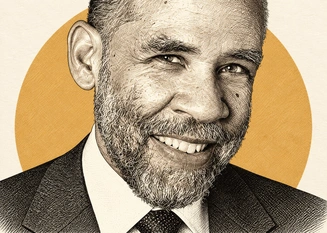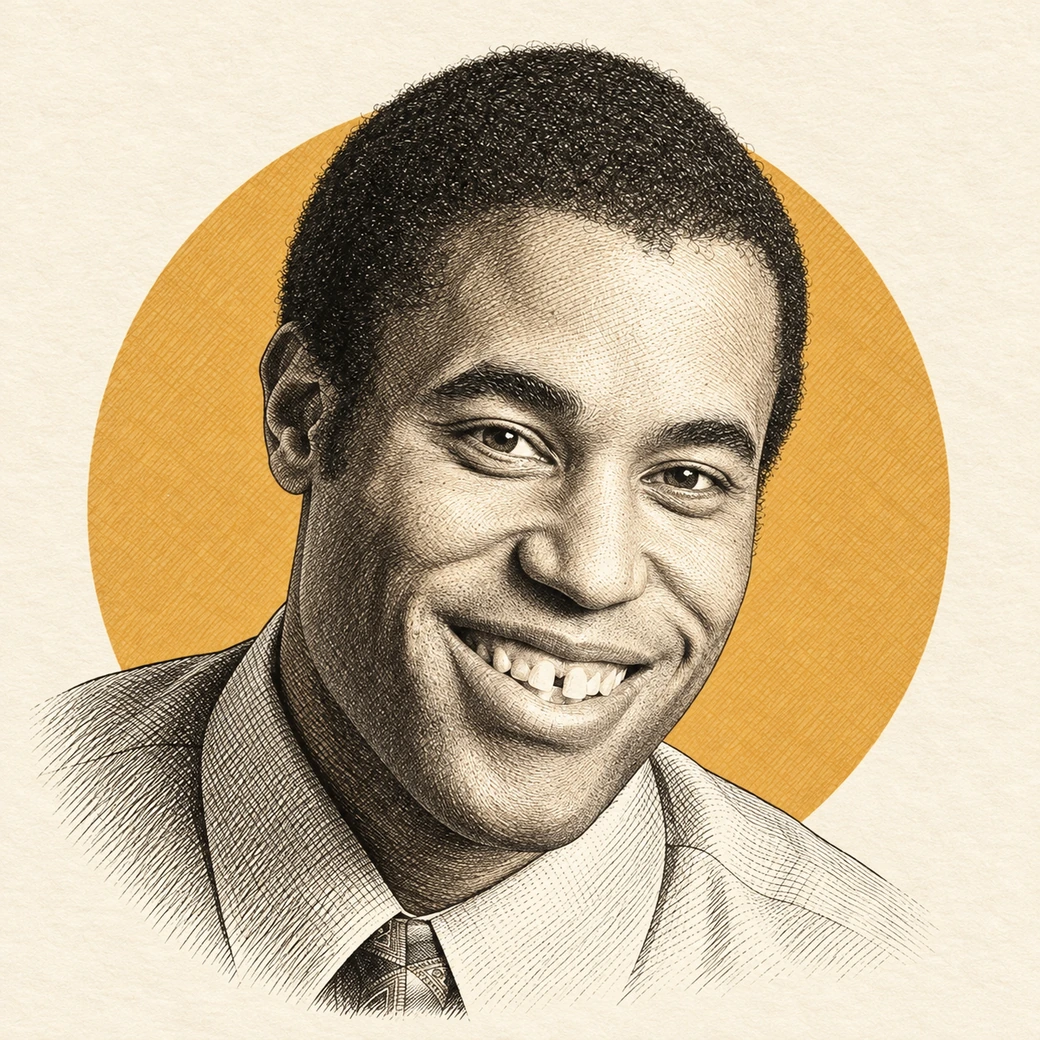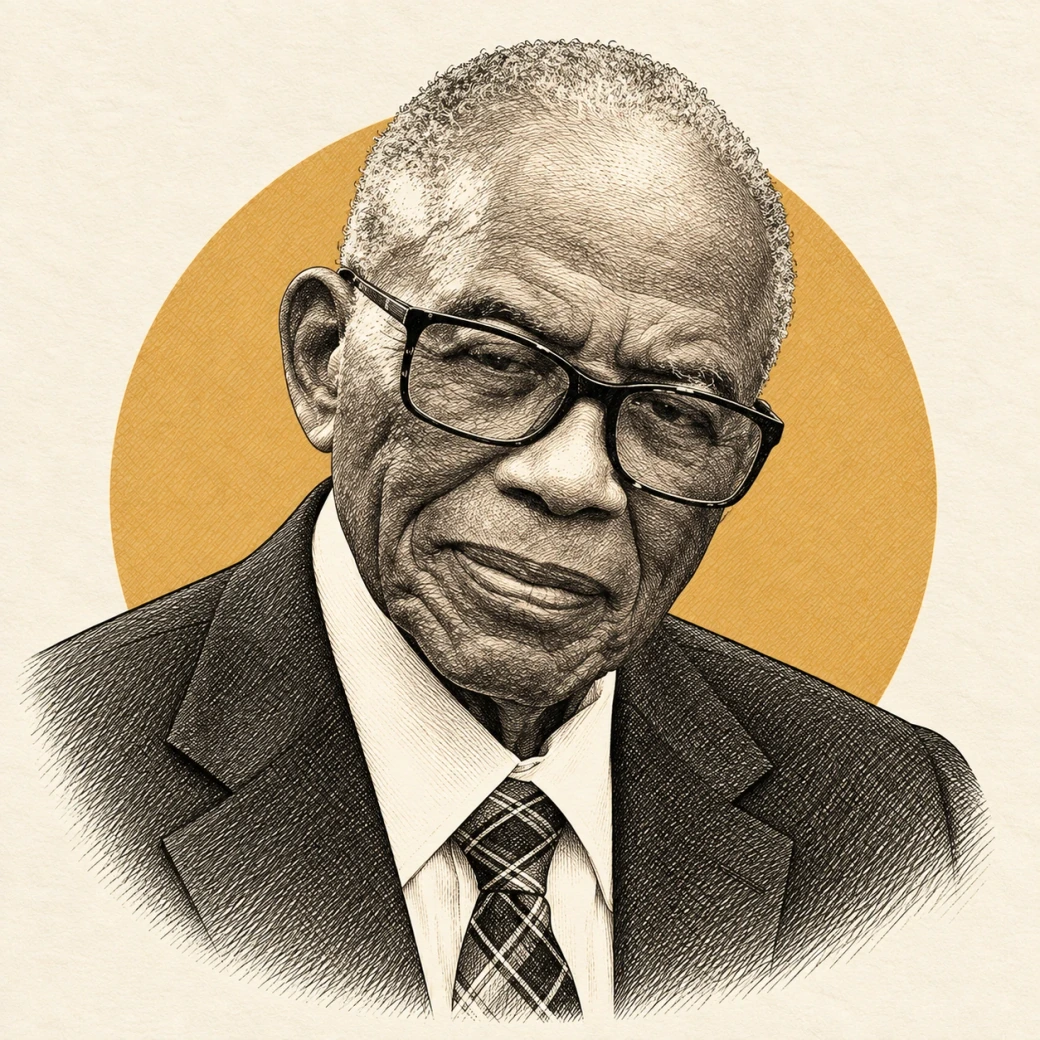
Fred David Gray was born in Montgomery, Alabama, in 1930. His education included the Nashville Christian Institute, where he trained as a young preacher, and Alabama State College, from which he graduated in 1951. He earned his law degree at Western Reserve University in Cleveland in 1954, then returned to Montgomery to establish a practice.
He was among the few African American attorneys practicing in Alabama at the time. In 1955, he represented Claudette Colvin and Rosa Parks after their arrests for refusing to surrender bus seats. He also advised the Montgomery Improvement Association, the organization behind the bus boycott. His legal work was part of a movement involving clients, organizers, ministers and other attorneys.
Gray filed the federal challenge to bus segregation in *Browder v. Gayle*. In November 1956, the Supreme Court affirmed the lower court's ruling against the segregation requirements.
His work extended into voting and education. He participated in *Gomillion v. Lightfoot*, challenging Tuskegee's redrawn municipal boundaries, and represented Black students seeking admission to Alabama universities. His litigation in *Lee v. Macon County Board of Education* contributed to a 1967 order addressing school systems not already under federal desegregation orders.
Gray also represented people harmed by the U.S. Public Health Service's untreated-syphilis study at Tuskegee. The CDC records that researchers failed to obtain informed consent or provide available treatment. It dates the resulting $10 million out-of-court settlement to 1974.
He won election to Alabama's legislature in 1970 alongside Thomas Reed, ending a long period without Black legislators.
Gray became the Alabama State Bar's first African American president and received the Presidential Medal of Freedom in 2022. In December 2025, the Equal Justice Initiative honored him at its Montgomery convening center, where he joined family and colleagues for the dedication of a boardroom bearing his name.