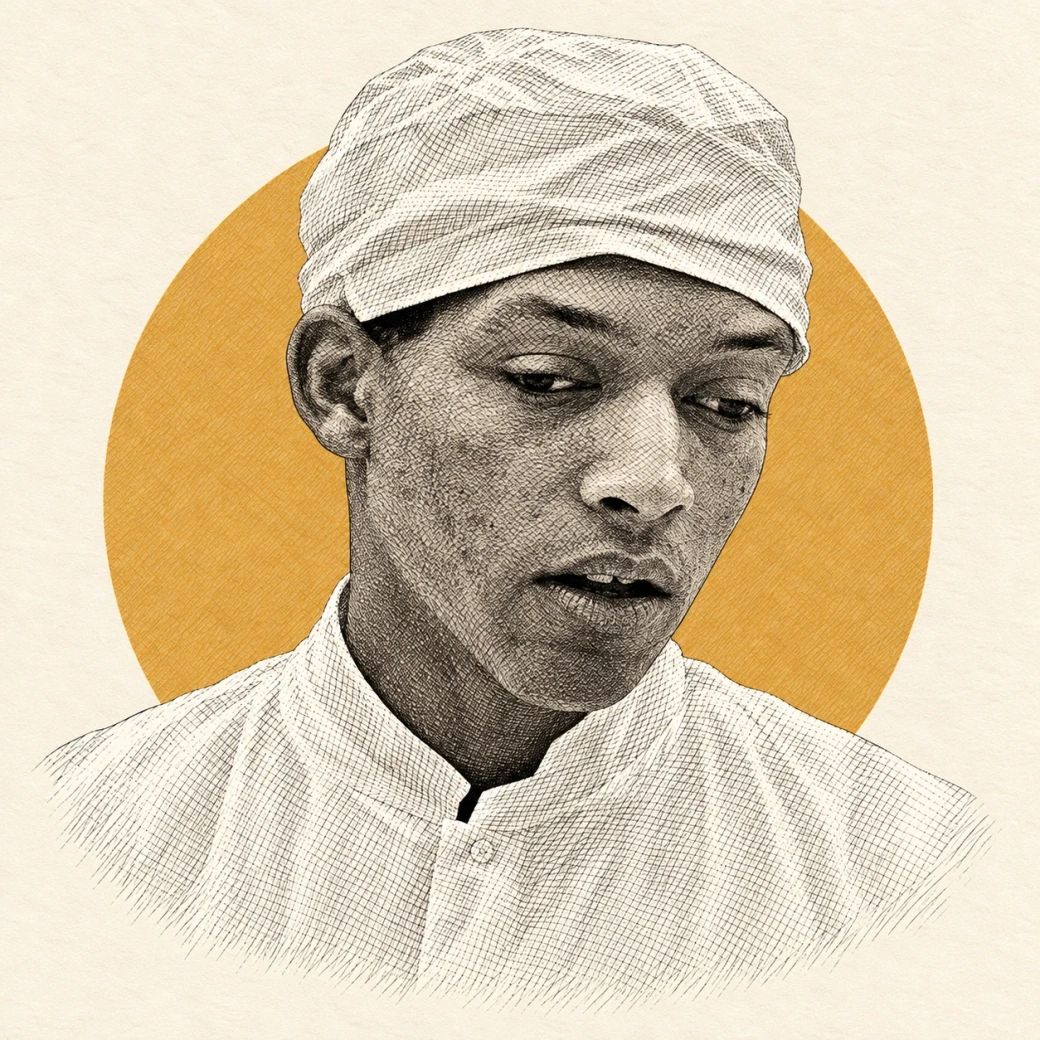
Gary H. Gibbons spent much of his career asking how biology, behavior and social conditions affect the heart. His research examined blood pressure regulation, vascular remodeling and the causes of vascular disease, work that yielded several patents as well as papers. He earned his bachelor's degree at Princeton University and graduated magna cum laude from Harvard Medical School before completing his residency and cardiology fellowship training.
In 1999, he joined the Morehouse School of Medicine in Atlanta as the founding director of the Cardiovascular Research Institute and chair of the department of physiology. There he directed NIH-funded research in vascular biology and genomic medicine, building a research enterprise at one of the country's historically Black medical schools.
In 2012, Gibbons took charge of the National Heart, Lung, and Blood Institute, the federal agency with an annual budget of more than $3 billion that funds much of the country's research on heart, lung, blood and sleep disorders. During his tenure, the institute supported research ranging from blood-pressure treatment to the genetic roots of disease. Its Cure Sickle Cell Initiative, launched in 2018, brought researchers together to work toward curative therapies for a disease that predominantly affects Black Americans. These programs depended on teams of scientists, clinicians and research participants.
Gibbons was elected to the Institute of Medicine in 2007, before his federal appointment. The American Heart Association gave him its Research Achievement Award in 2018, and in 2021 he received a Samuel J. Heyman Service to America Medal for his federal leadership. He retired from federal service on January 31, 2026, after leading the institute for nearly fourteen years.
His career path from a research institute at a historically Black medical school to the directorship of a national agency matched his research priorities: focus on the communities affected by heart disease and sickle cell disease, paired with the science needed to improve their health.