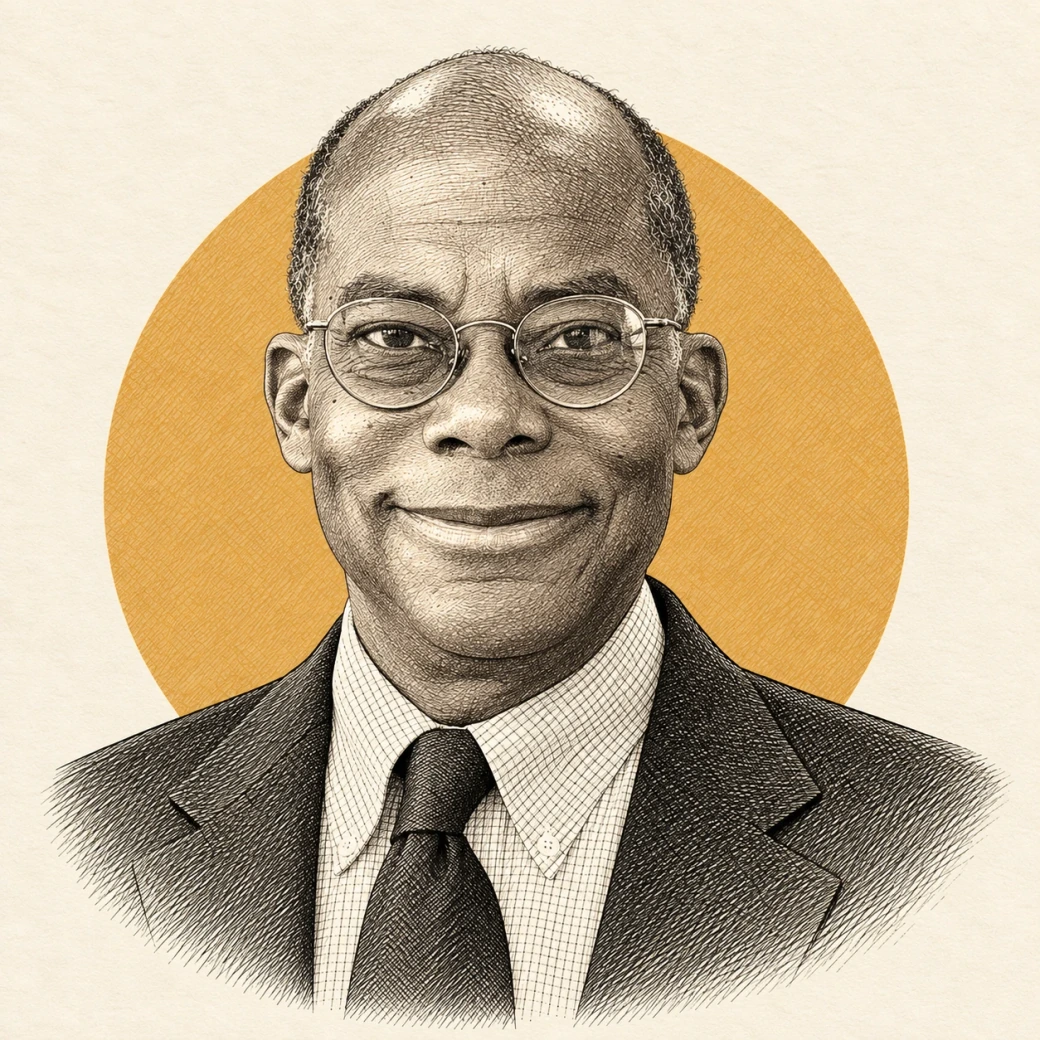
Earth's atmosphere blocks most ultraviolet light, so astronomers who want to study it must place their instruments above the atmosphere, in orbit or beyond. George R. Carruthers, an African American astrophysicist, engineer and educator who lived from 1939 to 2020, spent his career designing instruments for exactly that environment.
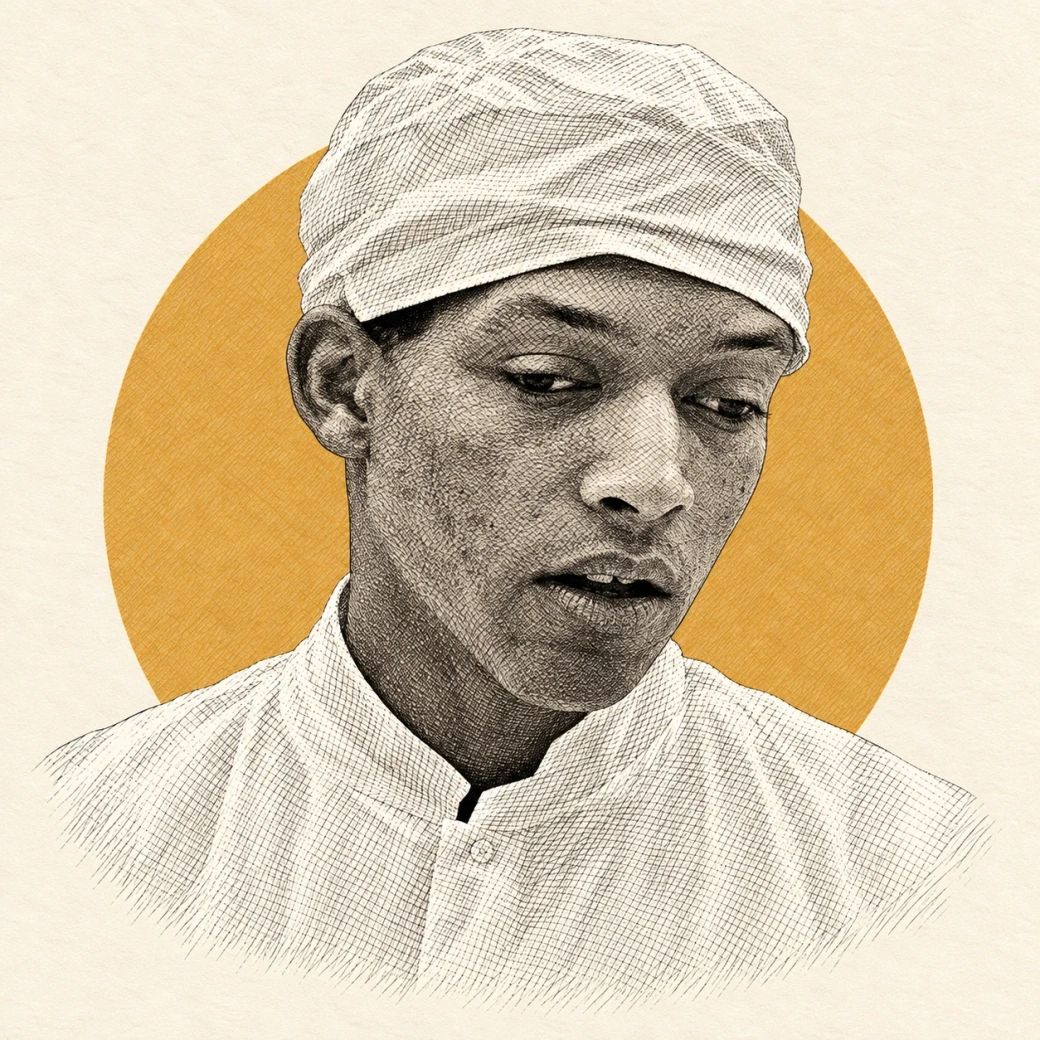
Carruthers earned his bachelor's, master's and doctoral degrees at the University of Illinois Urbana-Champaign, preparing for a career in space research. He built those instruments at the Naval Research Laboratory, where he served as principal investigator for the far-ultraviolet camera and spectrograph carried by Apollo 16. He worked with colleagues including project engineer William Conway.
Carruthers also invested in the next generation. He helped create a summer apprenticeship program for high school students at the Naval Research Laboratory, developed teacher training and educational materials for Washington, D.C., schools and taught Earth and space science at Howard University after his retirement. NASA later named a mission in his honor, a recognition of the work that began with an instrument designed to see what Earth's air hides.
Carruthers' camera went further than any orbiting instrument could: placed on the Moon, it observed from a stable platform far outside the interfering glow of Earth's upper atmosphere.
He spent his career at the Naval Research Laboratory in Washington, where a scientist could pursue instrument-building over decades. The Apollo 16 assignment asked whether a telescope-class instrument could operate on another world: the astronauts set it up beside the lunar module, aimed it away from the sunlit surface and exposed film that had to survive the return trip. It did, and the instrument became the first far-ultraviolet camera operated on the Moon.
After Apollo 16, he continued to develop ultraviolet instruments at the laboratory, adapting the same detector ideas to new spacecraft and sounding-rocket flights.
His instruments flew on sounding rockets, satellites and the space shuttle across a career of continuous development, with each flight's results feeding the next design.