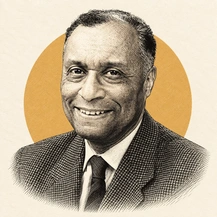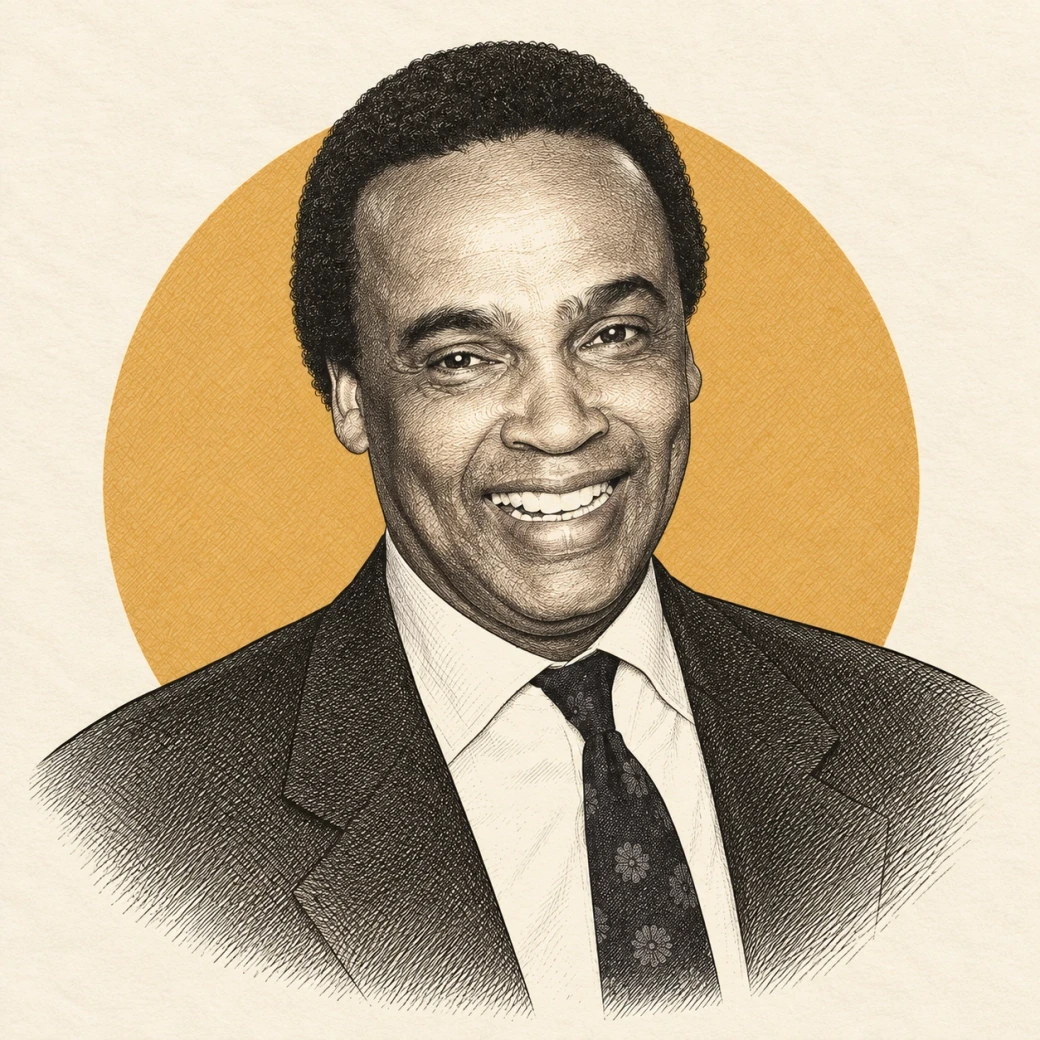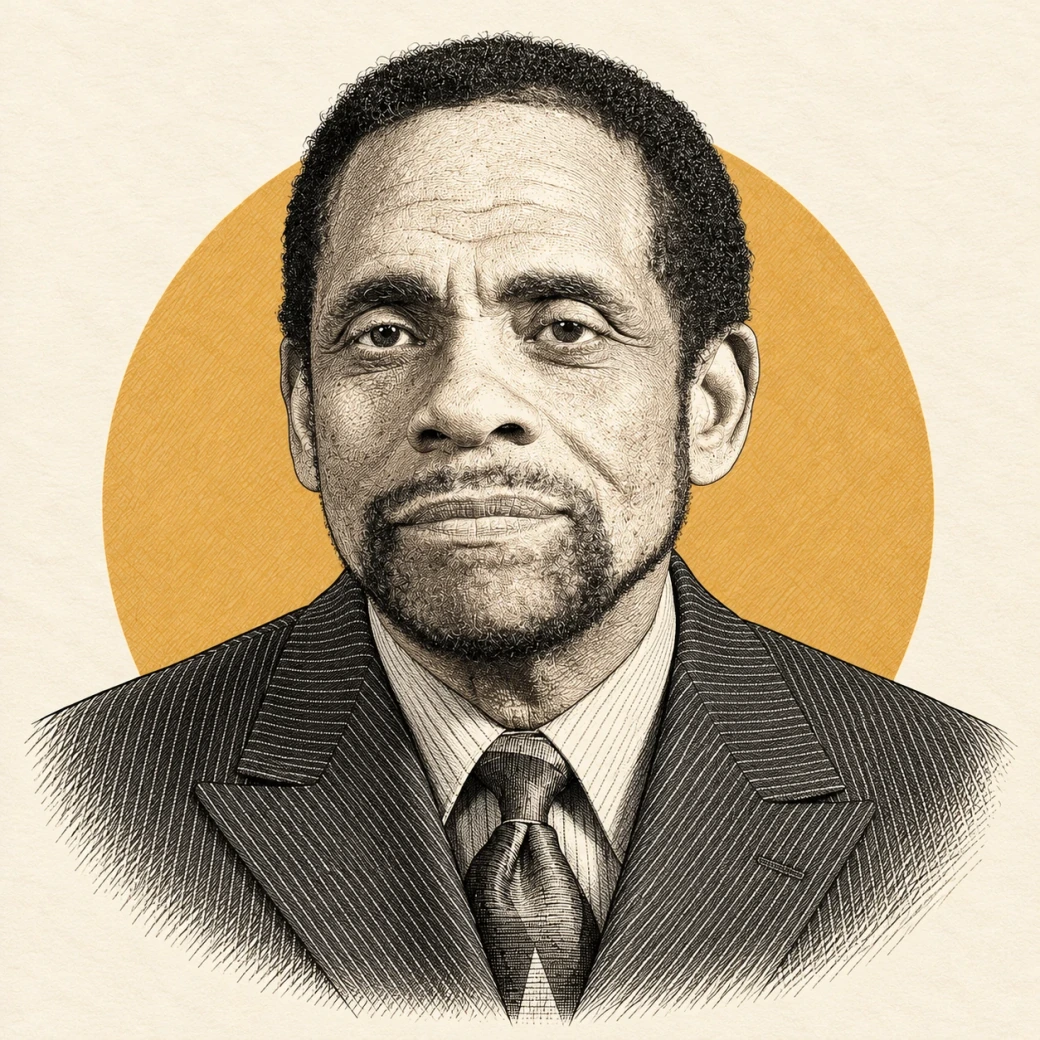
X-rays carry information about objects that ordinary light cannot show. In space science, detecting an X-ray's position and its energy at the same time lets researchers identify what produced it and how hot or energetic the source is. George E. Alcorn Jr., an African American physicist and engineer who lived from 1940 to 2024, helped build instruments that do exactly that.
Alcorn studied physics at Occidental College and earned graduate degrees at Howard University before working in semiconductor research. He joined NASA's Goddard Space Flight Center in 1978, where his work connected his semiconductor background with the demands of detecting radiation from space.
In 1984, he and his colleagues Patrick A. Grant, John W. Jackson Jr. and Francis E. Marshall received a patent for an imaging X-ray spectrometer. Their detector used an array of silicon cells to collect signals from incoming X-rays, recording where each X-ray struck the array and how much energy it carried. Instruments of this kind support the study of celestial objects, planetary surfaces and other sources of high-energy radiation.
Alcorn also invested in the people who would come after him. He taught at Howard University and the University of the District of Columbia, and he helped establish Saturday Academy, a weekend mathematics and science program for middle-school students in the Washington area. In 2015, he was inducted into the National Inventors Hall of Fame.
Alcorn's career connected two kinds of physics. Semiconductor research examines how carefully treated materials carry and control electricity; X-ray detection applies that knowledge to measuring radiation that arrives from space or from laboratory sources. An instrument that records both where an X-ray lands and how energetic it was can tell an observer something about what produced it, which is why detectors of this kind support work from space science to materials analysis.
Alcorn's education traced a route many Black scientists of his generation took: strong undergraduate training, advanced degrees at Howard University and then industrial research. He carried that preparation into a NASA career during the agency's growth in earth and space science, where detector engineering and physics had to advance together.