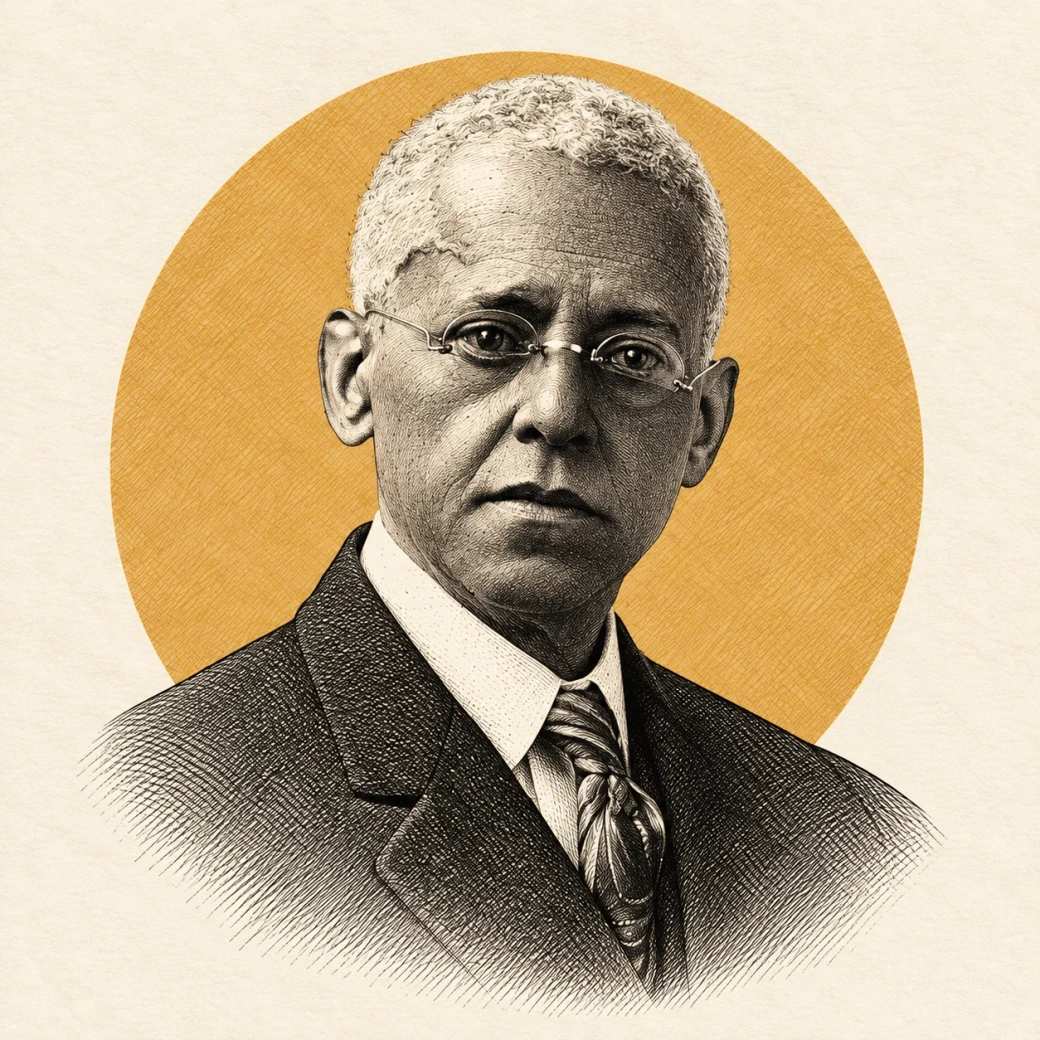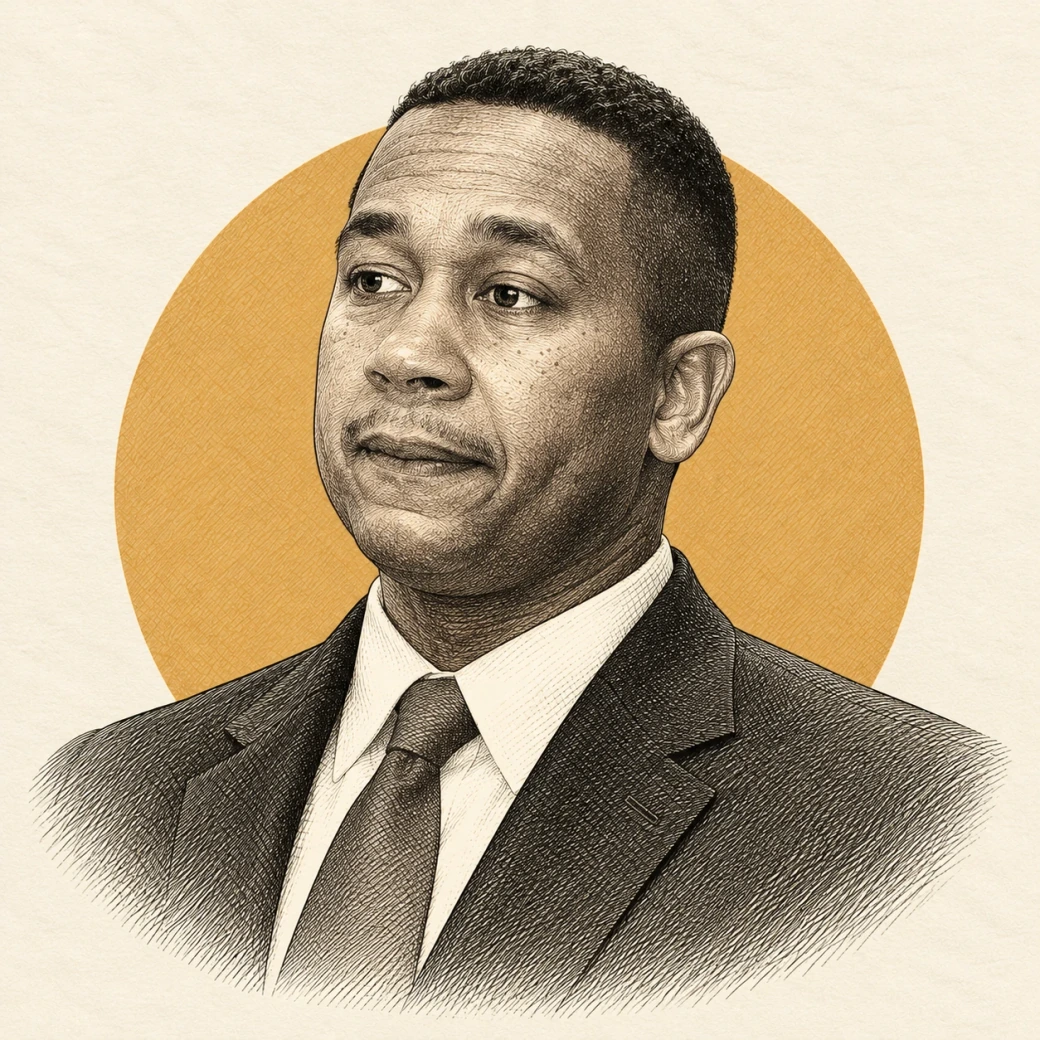
Juan E. Gilbert was the first person in his family to attend college. In a 2020 university account, he described being the only African American in his computer-science doctoral program at the University of Cincinnati in 1998. The same account connects his experience with a concern that students find support and belonging as they enter technical fields.
His formal education began with an applied-science bachelor's degree from Miami University in Ohio in 1991. He earned a computer-science master's degree at Cincinnati in 1995 and completed his doctorate there in 2000. His dissertation concerned an intelligent tutoring system with adaptive instruction. Educational technology has therefore been part of his research history as well as his later classroom work.
One of his best-known projects is Prime III, a voting interface designed for people with varied abilities. It offers multiple ways to interact with the system, so a voter can see, hear or touch their way through a ballot depending on what works for them. University accounts describe this as work on making voting more accessible.
Gilbert's research brings students into the process. The University of Florida's account of his 2024 election to the American Academy of Arts and Sciences describes doctoral students working in his Computing for Social Good lab. Their projects included Prime III and Virtual Traffic Stop, an approach using video communication during traffic stops, so a driver and an officer could handle a routine stop without a roadside encounter.
His mentoring work also includes attention to what students experience outside the technical problem they are solving. In 2020, Gilbert wrote guidance encouraging faculty members to check on Black students. The university article places that advice alongside his own account of finding community during graduate school.
Gilbert received the National Medal of Technology and Innovation at the White House in October 2023. His current curriculum vitae, updated in October 2026, lists him in Florida's Department of Engineering Education as an endowed and distinguished professor and a Provost Fellow.
Prime III's design principle is straightforward: a voter should not need to rely on any particular sense or ability to cast a ballot, so the interface offers sight, sound and touch in parallel.