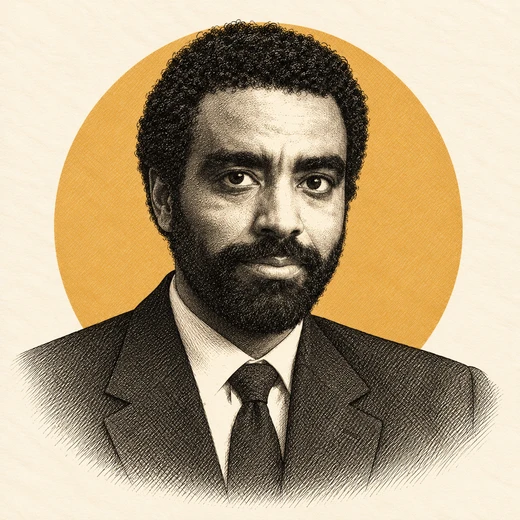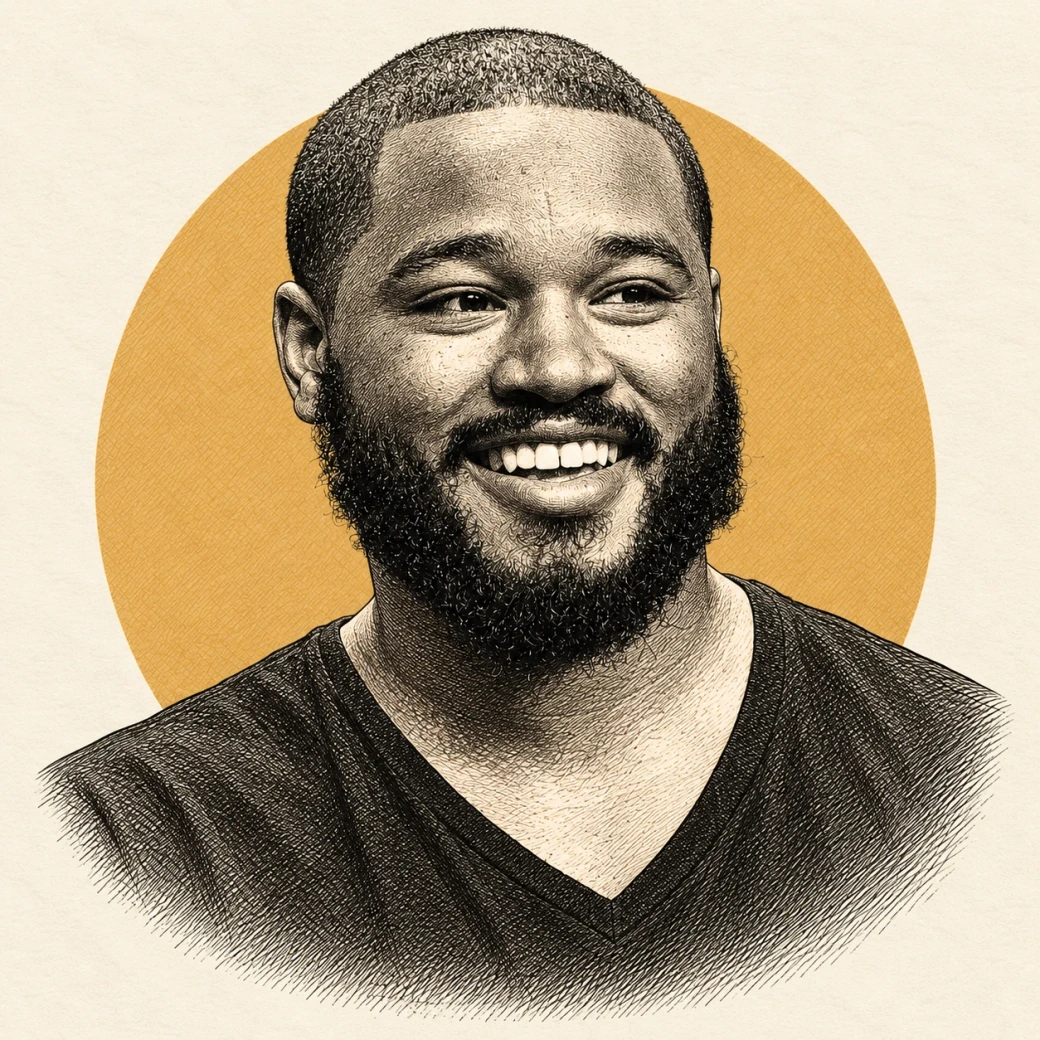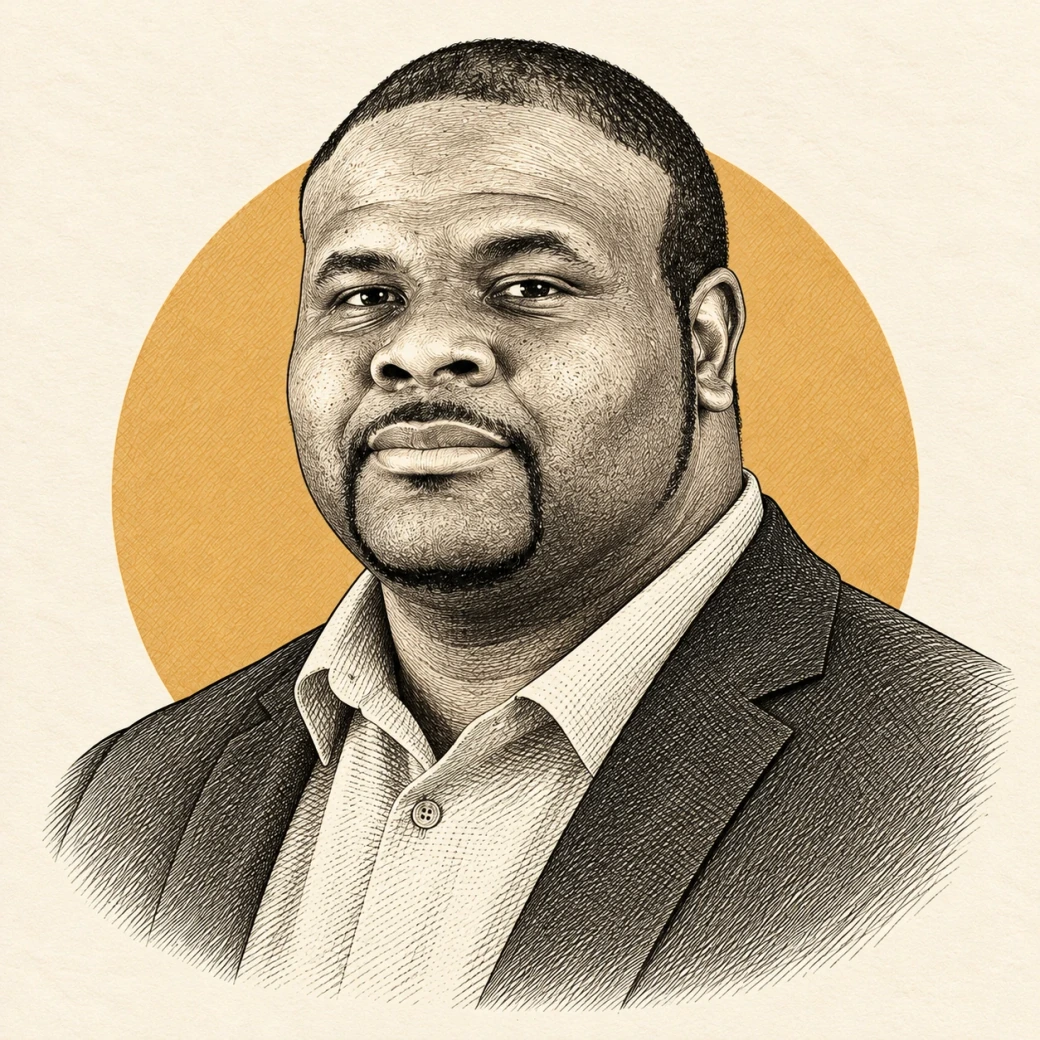
Kinnis K. Gosha is an African American computer scientist at Morehouse College, where he is a professor and chairs the computer science department. He earned his bachelor's degree at Albany State University, a master's degree at Auburn University, and a doctorate in human-centered computing at Clemson University.
His research explores conversational computer systems, virtual mentoring and ways to broaden participation in computing. A virtual mentor is software that simulates a conversation, and Gosha's studies examine how students interact with such systems, including whether students who might hesitate to ask a professor for help will talk to a computer instead. At Morehouse, he has involved undergraduate students in research and publication, so the work happens with the students it is about.
Gosha directs the Morehouse Center for Broadening Participation in Computing and has led the college's software engineering program, working with industry partners on practical learning opportunities. Morehouse is one of the nation's historically Black colleges, and the center's work sits within a larger effort to understand and improve how Black students experience computing education. In 2024, he co-founded the Black Issues in Computing Education Symposium, adding a forum for discussion of Black students' and educators' experiences in the field.
Human-centered computing treats the person as part of the system being designed. In Gosha's case, that has meant studying how students behave when they need help: some ask quickly, others wait until a problem has grown. A virtual mentor gives a student a private, always-available first conversation, and the research measures what happens as a result. Publishing that work with undergraduate coauthors doubles its effect, since the students gain research records that strengthen applications to graduate school.
His degrees trace a route through historically Black and predominantly white institutions alike, and his research program turns that experience into structure: centers, symposia and curricula designed so that the question of belonging has an institutional answer. The 2024 symposium brought that work a national forum, gathering faculty and students who study the same questions at other institutions.
The department he chairs graduates computing majors at a college whose alumni include many of the nation's Black professionals in science, business and public service.