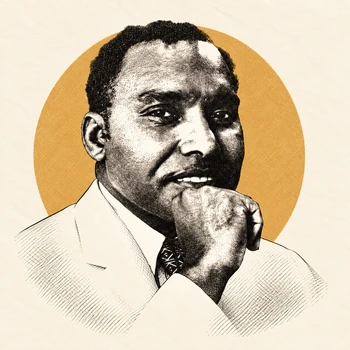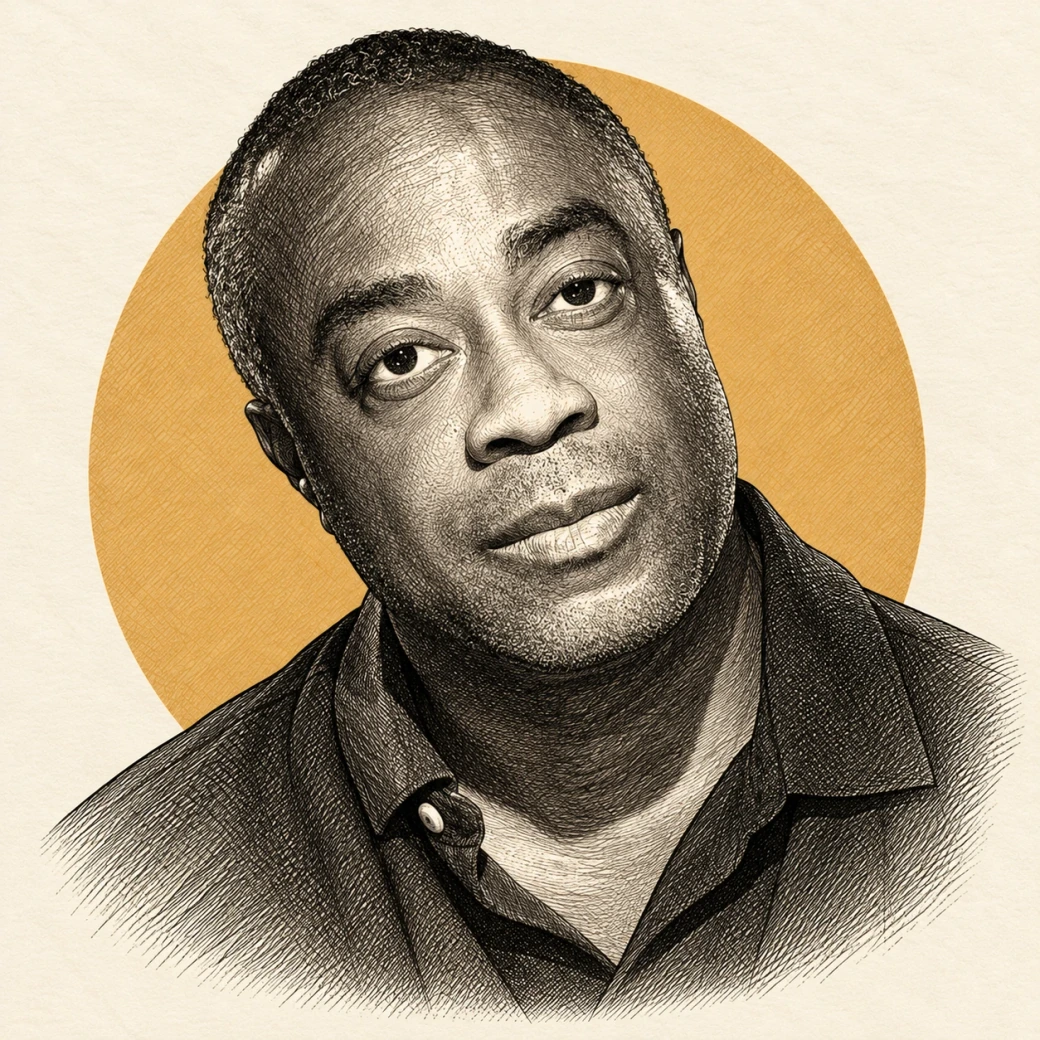
Louis Tompkins Wright was the son of a man born into slavery, and his career joined two fights: one for his patients and one for his profession. In 1919, he became the first African American physician to hold a staff position at a New York City municipal hospital, according to a study published in the American Journal of Public Health. The hospital was Harlem, which treated a largely Black population but had never put a Black doctor on its staff.
Wright had graduated from Harvard Medical School fourth in his class of 1915, yet Boston hospitals refused him an internship because of his race. He trained instead at Freedmen's Hospital in Washington, D.C. During World War I, he served in France with the Army Medical Corps, taking responsibility for surgical wards, and left the service with the rank of captain.
New York gave him a long institutional base. In 1928, he passed the city's competitive civil service examination to become the first Black police surgeon of New York. At Harlem Hospital, where he served from 1919 until his death in 1952, he specialized in head injuries and fractures and invented braces and surgical devices used in their care. He became the hospital's director of surgery in 1943.
His surgical credentials also carried a campaign. Wright became a Fellow of the American College of Surgeons in 1934 despite opposition within the organization, and he joined other physicians in pressing for more Black surgeons to be admitted. The college's archives record that at least thirty-eight had obtained Fellowship by the end of 1950.
The organizing reached beyond hospitals. With his stepfather and others, he co-founded the Atlanta chapter of the NAACP. He later chaired the NAACP's national board, and in 1940 he received the organization's Spingarn Medal, awarded each year for the highest achievement by an American of African descent, with a citation for his contribution to the healing of mankind and his courageous position in the face of bitter attack. He died in 1952, having spent his career at the intersection of surgery and civil rights. The integration he fought for outlasted him: within eight years of his Fellowship, dozens of Black surgeons had followed him into the college.
Sources and further reading
- Louis Tompkins Wright, MD, FACS, 1891–1952
- Dr. Louis T. Wright
- Dr Louis T. Wright and the NAACP: pioneers in hospital racial integration | American Journal of Public Health
- WRIGHT, Louis | Howard University digital collection
- Louis Tompkins Wright, MD: son of a man born into slavery | PMC
- Louis T. Wright, surgeon and NAACP chairman | African American Registry