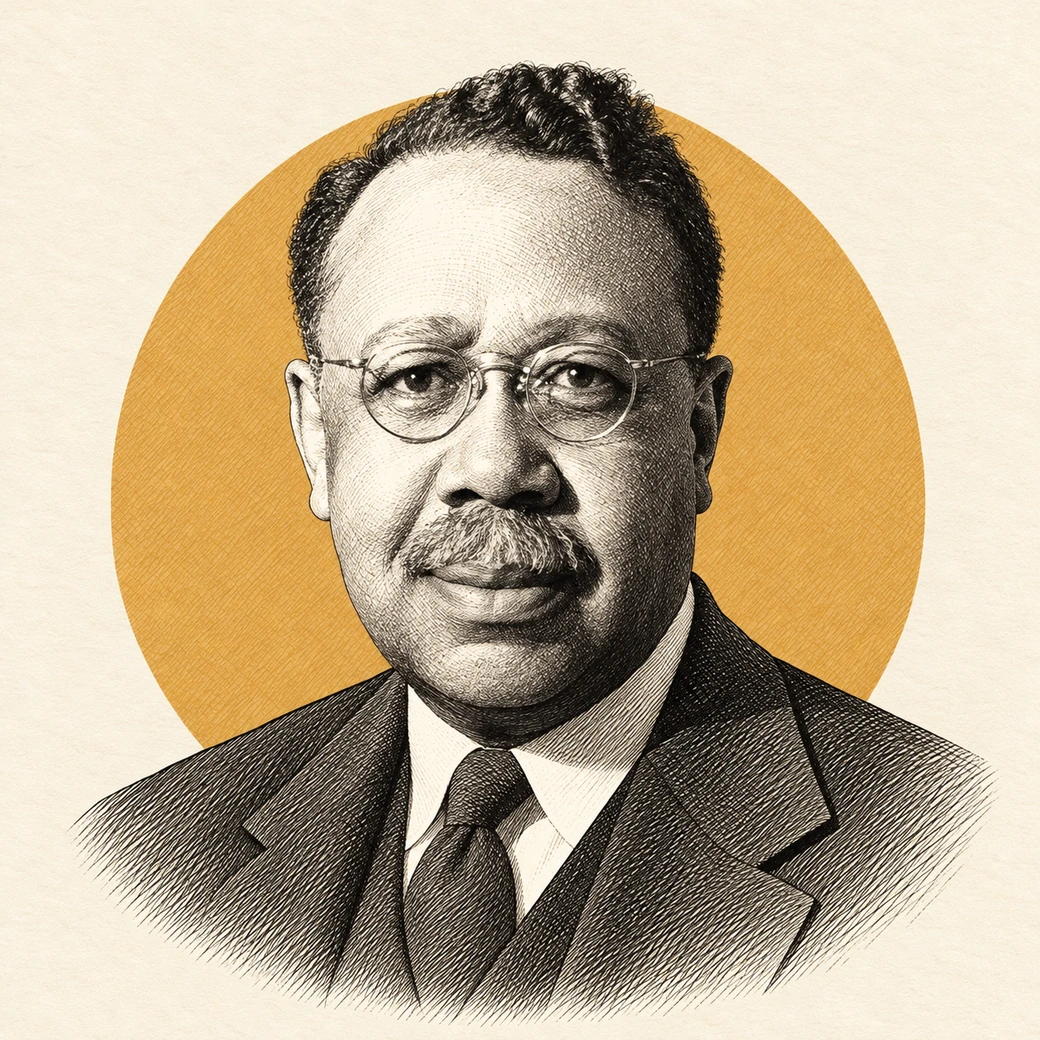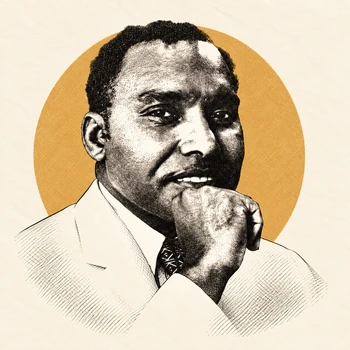
In 1961, at Stanford University Medical Center, Samuel Lee Kountz performed the first successful kidney transplant between people who were not identical twins, working with surgeon Roy Cohn. He was still a resident. The operation demonstrated that transplantation could work beyond perfectly matched siblings and opened the procedure to far more patients.
Kountz was born in Lexa, Arkansas, on October 30, 1930, and attended a one-room school as a child. He earned a chemistry degree at Arkansas AM&N College, now the University of Arkansas at Pine Bluff, followed by a master's in biochemistry and a medical degree at the University of Arkansas. His Stanford internship began in 1958. A year into his training, he took part in the first kidney transplant performed on the West Coast.
He researched the rejection of transplanted kidneys and directed the kidney transplant service at the University of California, San Francisco. In 1967, working with Folkert Belzer, he helped develop the Belzer kidney perfusion machine, a device that preserved donor kidneys outside the body for up to 50 hours and extended the window in which an organ could reach a waiting patient.
Kountz later moved east. At SUNY Downstate, he built and directed, with transplant nephrologist Eli Friedman, one of the largest kidney transplant programs in the Northeast, and became chief of surgery at Kings County Hospital in 1972. Over his career he performed more than 500 kidney transplants, at that point the most by any single surgeon, and his research on detecting and treating organ rejection helped make transplants last longer.
He also lobbied Congress in support of Medicare coverage for people with kidney failure, seeking wider access to dialysis and transplantation regardless of income or race. In 1974, his peers elected him president of the Society of University Surgeons. He died in 1981 at 51. Stanford established a fellowship in his name in 2006, continuing his role in training the next generation of transplant surgeons.
The New York Times introduced its readers to the new Downstate surgery chief in 1972 under a headline that captured his low-key style: impact without clamor.
Sources and further reading
- Samuel L. Kountz SCORE Fellowship
- Samuel Lee Kountz (1930–1981)
- How Dr. Samuel Lee Kountz, Jr. revolutionized kidney transplants | American Kidney Fund
- Trailblazers in Kidney Care: Dr. Samuel L. Kountz | National Kidney Foundation
- Samuel L. Kountz | Wikipedia
- Samuel Kountz transplant program | SUNY Downstate
- Dr. Samuel L. Kountz | Medicine and Meaning, University of Arkansas for Medical Sciences
- New Downstate Surgery Chief Aims for Impact Without Clamor | The New York Times