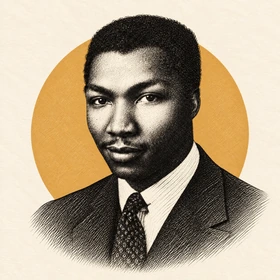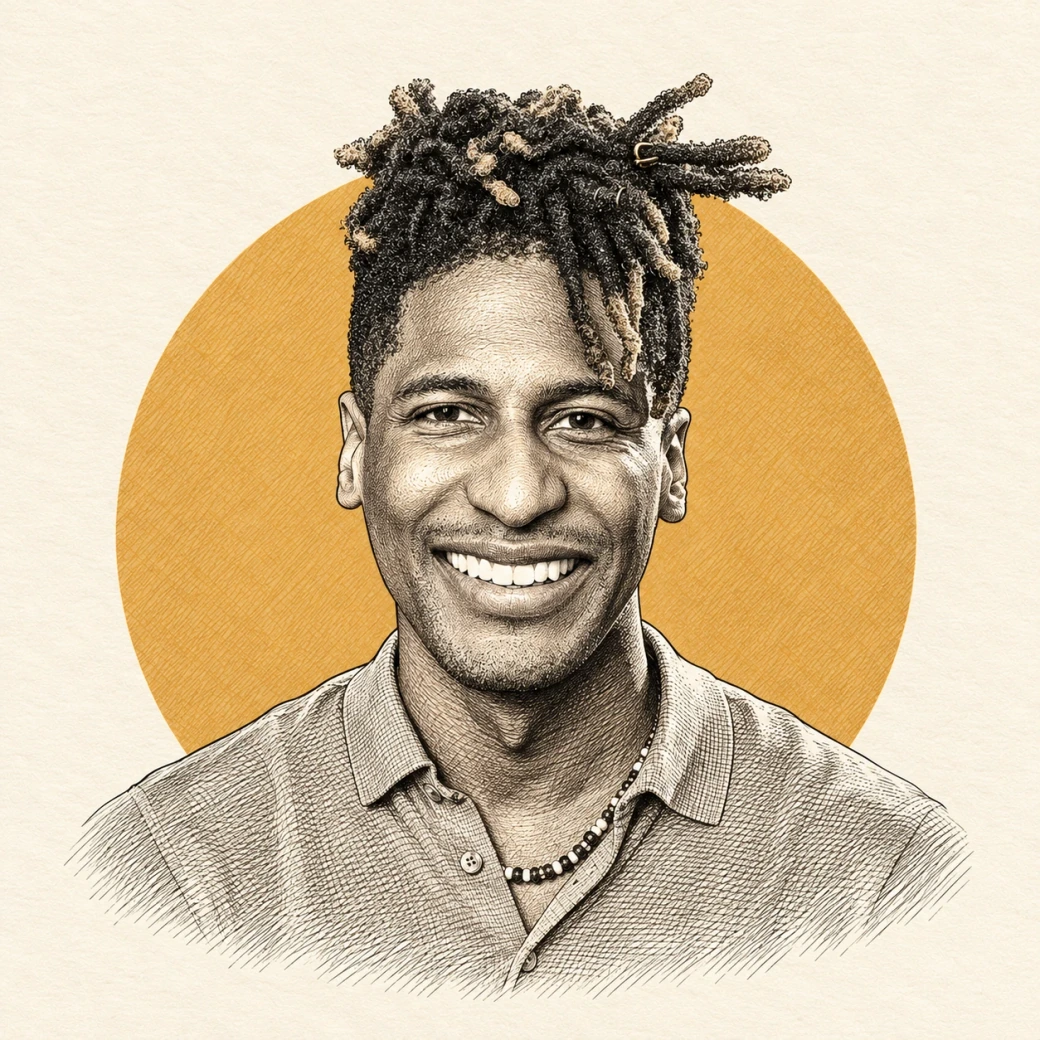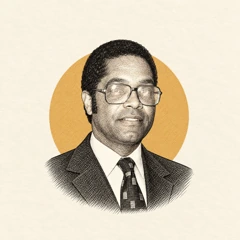
When Harvey B. Gantt challenged his exclusion from Clemson University, Matthew J. Perry Jr. represented him. The successful litigation led to Gantt's admission in 1963, making him the first Black student at the South Carolina university. Perry had returned to Columbia two years earlier as chief counsel for the South Carolina State Conference of the NAACP, after a decade practicing law in Spartanburg. In that role he represented hundreds of civil-rights demonstrators and filed nearly every major civil-rights case brought in the state during the 1960s and 1970s, from schools and universities to hospitals, airports and restaurants.
Born in Columbia on August 3, 1921, Perry grew up partly in Tuskegee, Alabama, where his father sought treatment for injuries from a First World War poison-gas attack. After his father's death in 1933, the family returned to Columbia. Perry served in the Army during World War II, rising to sergeant in the European theater. On a troop train stop in Alabama, he watched Italian prisoners of war enter the whites-only dining room while Black American soldiers were sent to a take-out window. After the war he finished his undergraduate degree at South Carolina State in 1948 and earned his law degree there in 1951, in the separate law school the state had opened in response to a lawsuit against its segregation policies. The diploma privilege that admitted state law-school graduates to the bar without an examination was withdrawn, creating another barrier for graduates of the Black law school; Perry passed the written bar examination on his first attempt.
He and his wife, Hallie Bacote, settled in Spartanburg, where he became the city's first Black lawyer since the 1930s. He handled a wide variety of cases and showed a talent for trial work that drew attention to his civil-rights advocacy.
Perry joined the U.S. Court of Military Appeals in 1976. In 1979, following President Jimmy Carter's nomination, he became South Carolina's first Black federal district judge. He took senior status in 1995 and remained on the court until his death in 2011. In 2004, the federal courthouse in Columbia was named for him, and the American Bar Association honored him with its Liberty Achievement Award in 2008.