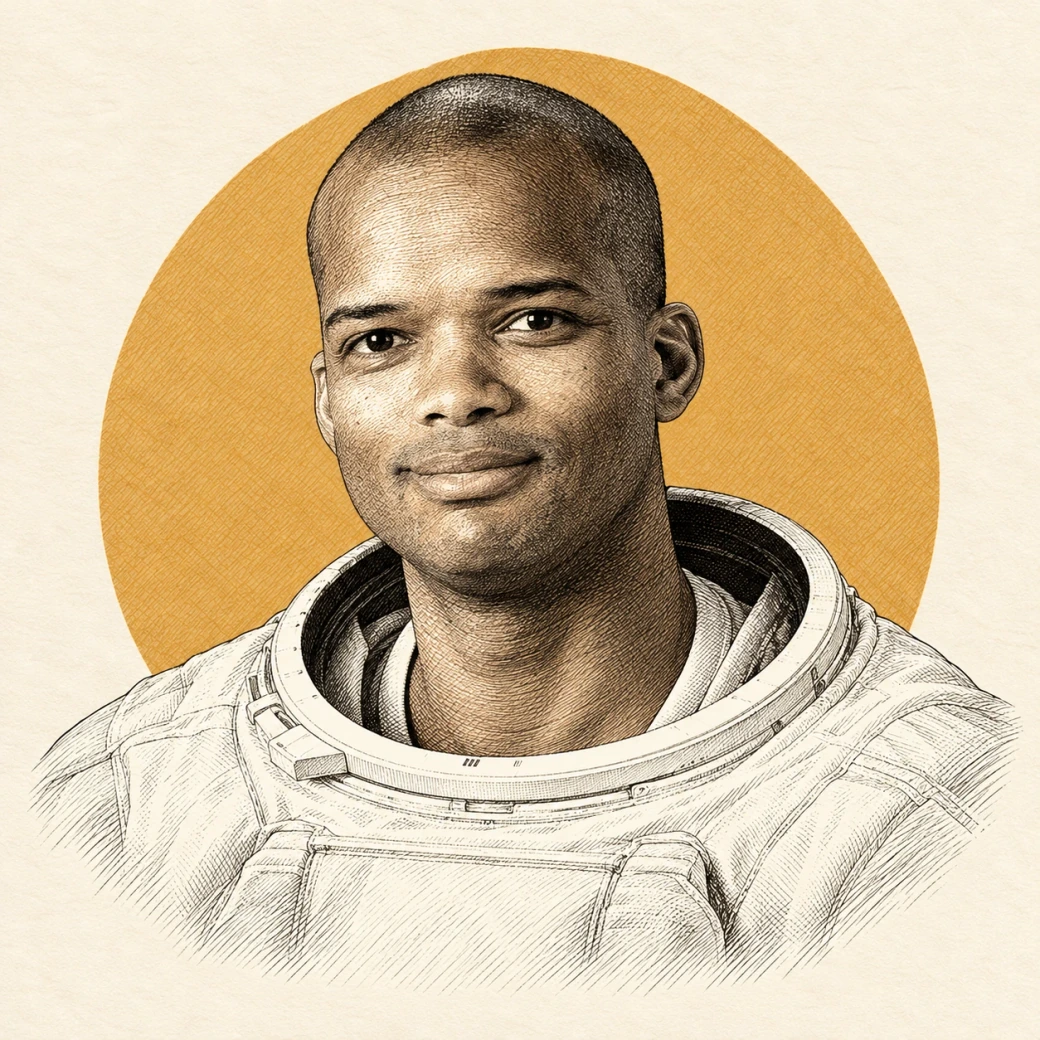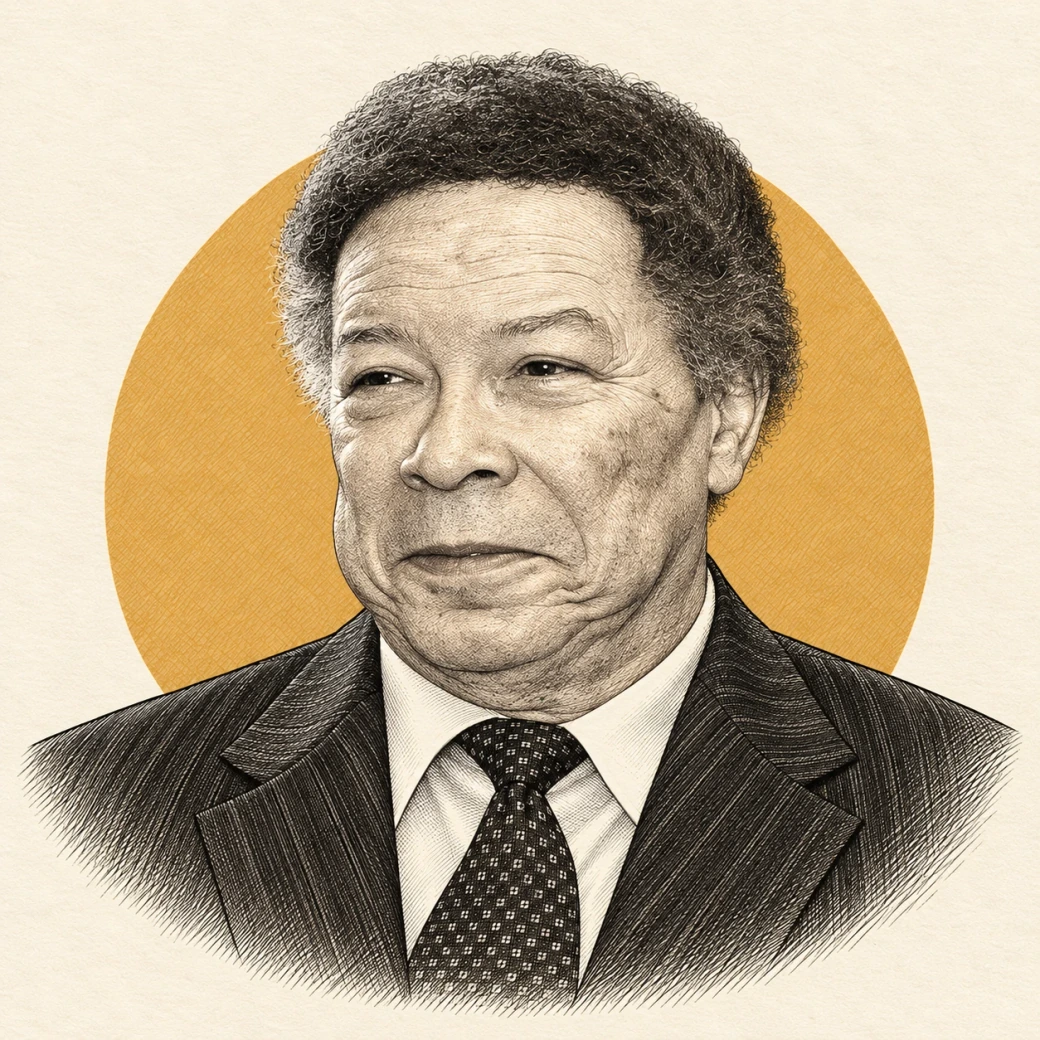
Michael P. Anderson was an African American astronaut and Air Force lieutenant colonel whose career brought together physics, communications and aviation. Born in 1959, he earned a bachelor's degree in physics and astronomy at the University of Washington in 1981 and a master's degree in physics at Creighton University in 1990.
In the Air Force, Anderson worked in communications and information systems maintenance before becoming a pilot and flight instructor. NASA selected him for astronaut training in December 1994. On his first spaceflight, STS-89 in 1998, the Endeavour crew delivered scientific equipment, supplies and water to the Russian space station Mir, one of the missions the two programs flew together in the 1990s.
Anderson's second flight, STS-107 aboard Columbia in 2003, was devoted to science. The crew worked in alternating shifts to conduct experiments throughout the mission, in fields from biology to materials processing. Anderson and his crewmates died during Columbia's reentry on February 1, 2003. His honors include the posthumous Congressional Space Medal of Honor.
Astronauts with Anderson's background were valuable on science missions, which needed crew members who could run complex experiments and understand the instruments behind them. The Mir flights of the 1990s paired American shuttles with the Russian station as the two programs learned to operate together, and STS-89 kept that cooperation supplied. STS-107 was planned around a different purpose: a laboratory in orbit, with experiments running in shifts for the length of the flight. Anderson and his crewmates died when Columbia broke apart during reentry, and the accident grounded the shuttle fleet while the causes were investigated.
The path from physics degrees to orbit ran through military service in that era. Anderson's Air Force work in communications systems taught him the information infrastructure that satellites and spacecraft depend on, and pilot training added the flying credentials the astronaut office expected. Crews on both of his flights relied on that combination of skills, in an office where each mission specialist carried a distinct technical load.
The Congressional Space Medal of Honor, awarded for exceptional achievement in spaceflight, is among the highest honors NASA confers.