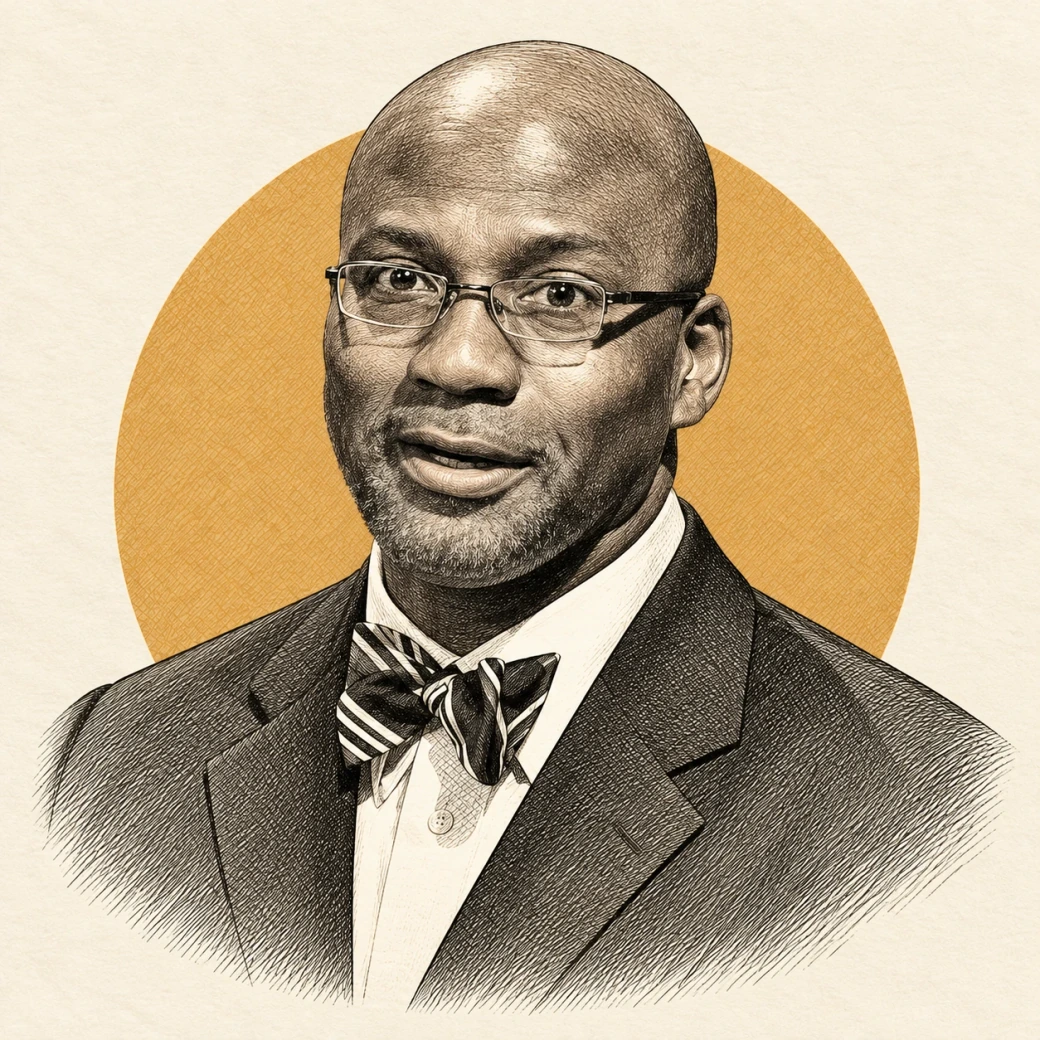
Michael Seibel is an African American entrepreneur who helped build online-video companies and later advised startup founders. He graduated from Yale University with a degree in political science in 2005. He was a co-founder and chief executive of Justin.tv, the livestreaming business that developed into Twitch, and then of the video company Socialcam.
Running young companies put him inside the problems new founders face: hiring early employees, finding users and deciding which products to build. The businesses he helped lead became part of two larger stories in online video. Socialcam was acquired by Autodesk in 2012. Twitch, which grew out of Justin.tv's gaming broadcasts, was acquired by Amazon in 2014 under chief executive Emmett Shear and chief operating officer Kevin Lin.
At Y Combinator, Seibel drew on that experience to advise other founders. The accelerator funds young companies in batches and pairs them with partners who have started companies themselves. Seibel led the accelerator from 2016 to 2024, and his writing has addressed pitching clearly, finding customers and deciding what to build. His own biography records his retirement from Y Combinator in 2026.
Online video was a frontier when Seibel's companies were built. Streaming live video to large audiences required infrastructure that barely existed at the time, and the companies that solved those problems shaped how the internet handles video today. Justin.tv grew from a small live-broadcast experiment into a service whose gaming section became Twitch, a place where millions watch live broadcasts. Socialcam tested mobile video sharing years before smartphone cameras made it routine.
The accelerator's model is simple to describe and hard to run: fund many small teams, meet with them weekly and let their progress decide the next round of support. Leading it meant sitting across the table from founders facing the decisions Seibel had faced himself: what to build, whom to hire and when to change direction. His retirement in 2026 closed a decade at the center of that process.
The accelerator's influence comes largely from its alumni companies and from the essays its partners publish, which circulate widely among founders deciding how to begin.