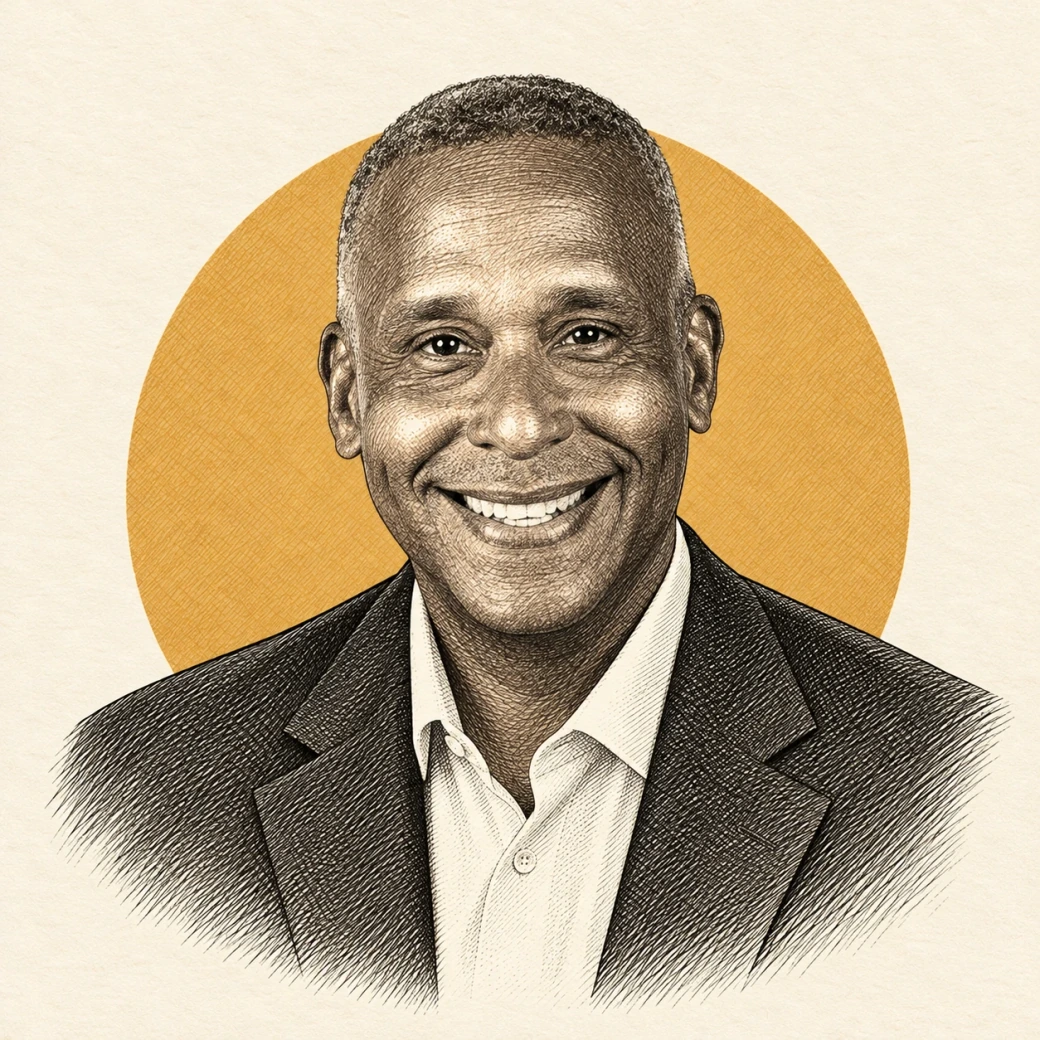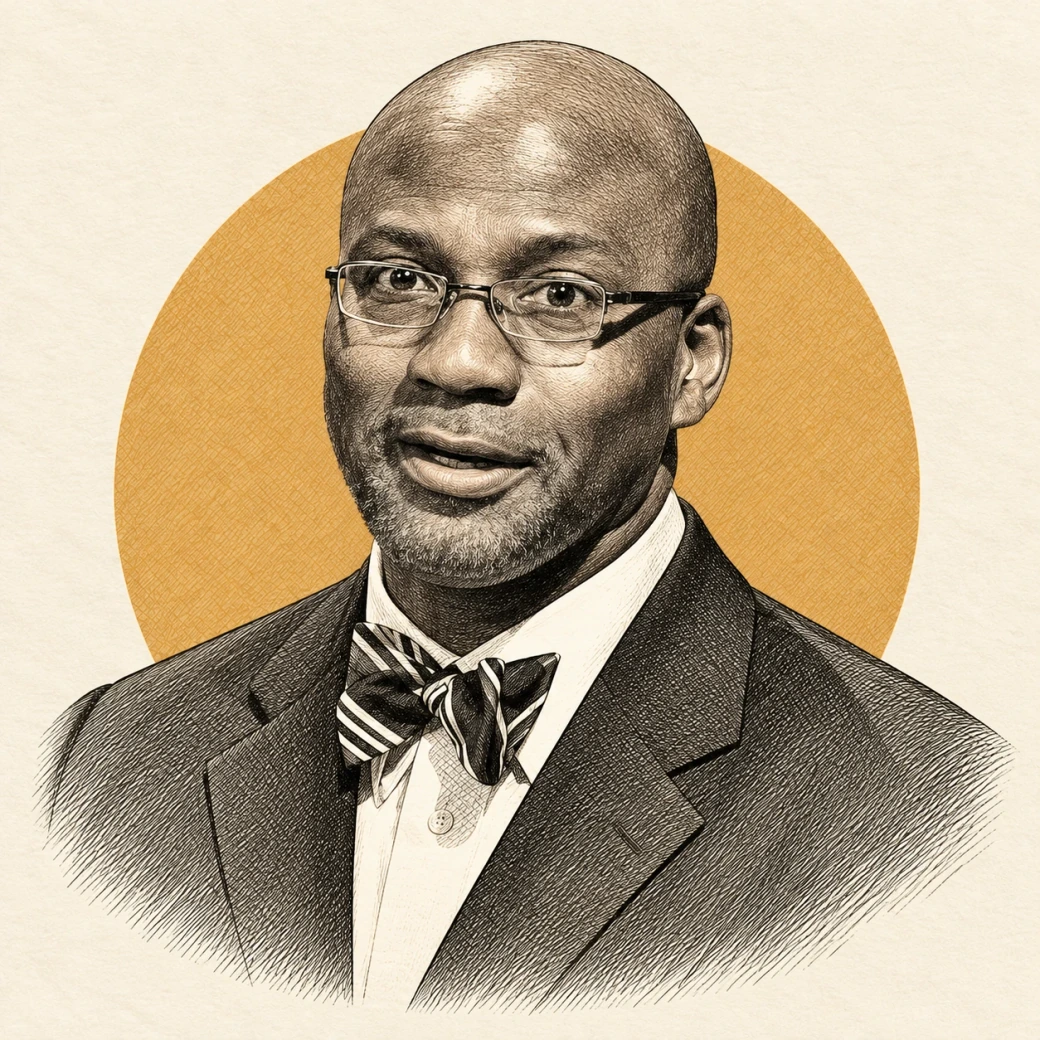
By 2000, Rick Kittles had gathered more than 2,000 DNA samples from about 40 population groups across western Africa, the reference library behind his work tracing the ancestry of African Americans through DNA. The Los Angeles Times profiled that work at the time, and it made him one of the earliest geneticists to use DNA testing to trace African ancestry, work that later led him to co-found a company built on it.
In 2003, Kittles and entrepreneur Gina Paige launched African Ancestry, with Paige handling business operations and Kittles directing the science. The company's DNA tests drew public interest and scientific debate about how confidently they could identify ancestral populations. In a 2008 University of Chicago Magazine profile, Kittles acknowledged that the tests trace selected family lines, not a person's whole ancestry. Their matches carry uncertainty.
His academic career ran on a parallel track: prostate cancer, a disease that disproportionately affects men of African descent. From 1997 through 2004, he helped build and coordinate the African American Hereditary Prostate Cancer study network, a national cooperative effort that involved predominantly African American scientists and physicians and recruited families with hereditary patterns of the disease for genetic research. He has published more than 160 research articles on prostate cancer genetics, race and genetics, and health disparities.
Kittles earned a biology degree at Rochester Institute of Technology and a doctorate in biological sciences at George Washington University. At Howard University, where he joined the faculty in 1998, he helped establish the National Human Genome Center. His academic work has also included mentoring graduate students and postdoctoral researchers of color.
In 2022, Morehouse School of Medicine announced his appointment as senior vice president for research, beginning that August, a role that puts him over the research enterprise of one of the country's four historically Black medical schools.
The prostate cancer network recruited its first families quickly: from March 1998 to June 1999, 40 families met the study's criteria, and recruitment continued from there. His ancestry research also included work on the New York African Burial Ground Project.
Sources and further reading
- Dr. Rick Kittles
- Dr. Rick Kittles Joins MSM as Senior Vice President for Research
- Long way home
- Dr. Rick A. Kittles | RIT Distinguished Alumni
- Our Story | African Ancestry
- Hereditary Prostate Cancer in African Americans Study | National Human Genome Research Institute
- In DNA, a new way to trace ancestry | Los Angeles Times
- Rick Kittles, PhD | Prostate Cancer Foundation
- African Burial Ground Project discussion | JSTOR