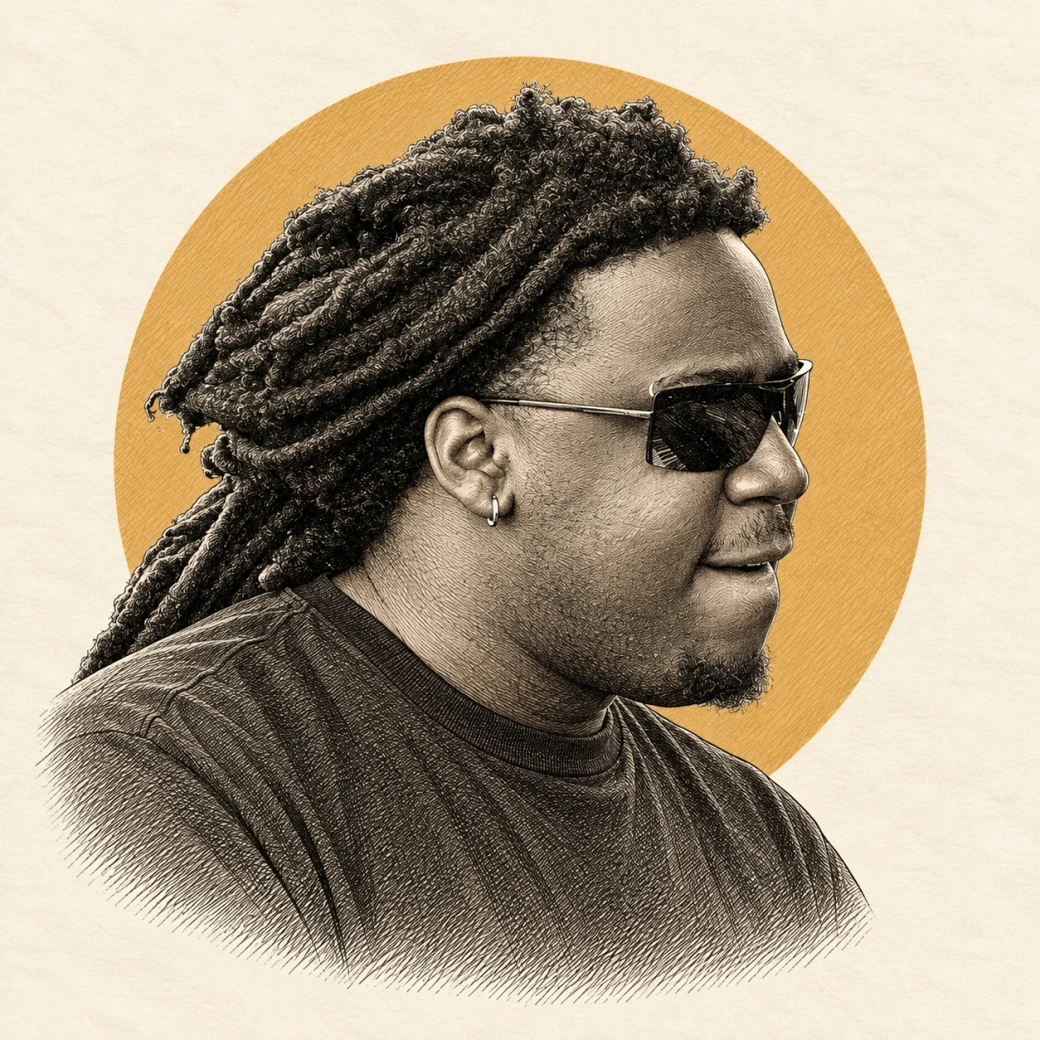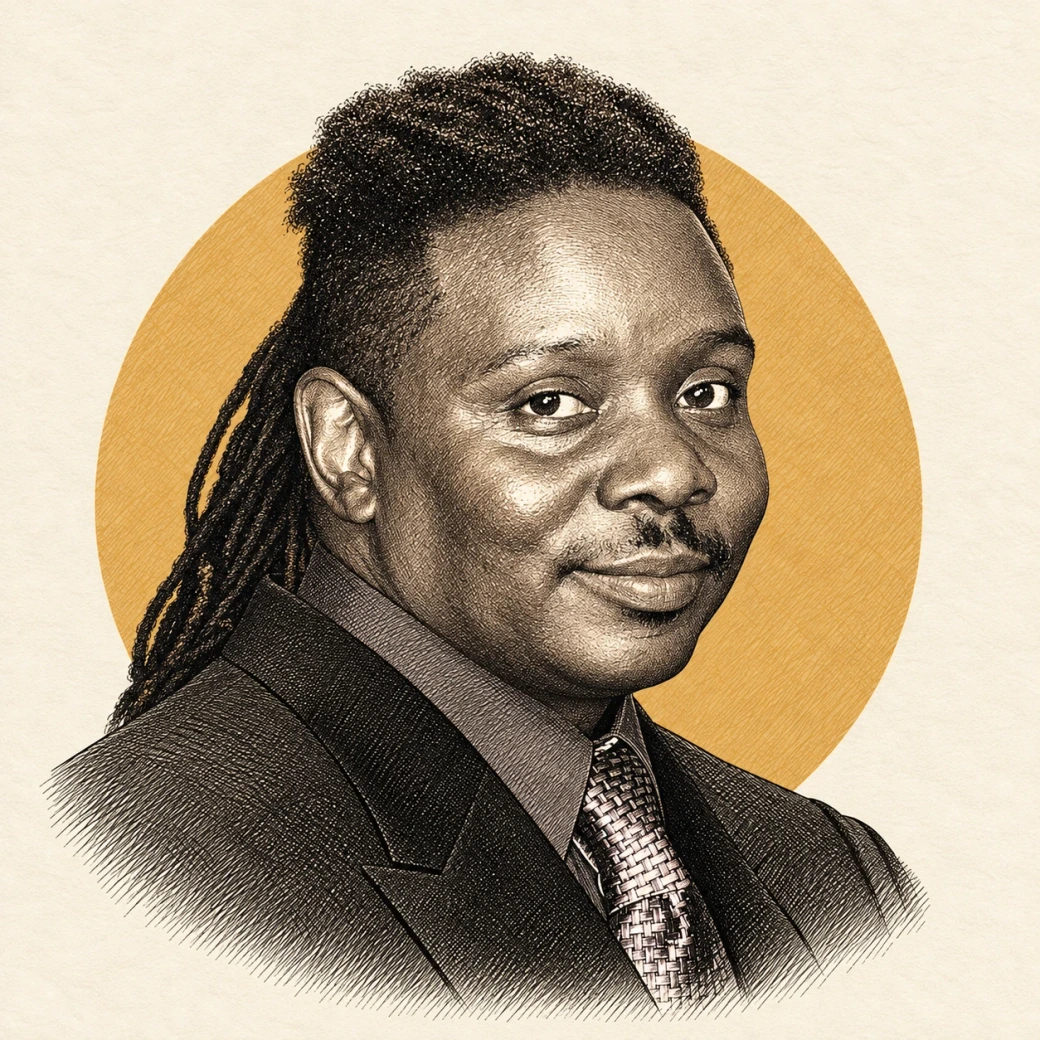
Philip Bailey is an African American singer, songwriter and percussionist who grew up in Denver, where he graduated from East High School. His mother told him he was singing before he was talking. His early listening crossed musical styles: country, popular radio and folk music, as well as the jazz of Miles Davis and John Coltrane, which he found in the record collection of his mother's friend. That range continued through his work with Earth, Wind & Fire and as a solo artist.
In Earth, Wind & Fire, Bailey shared lead singing with Maurice White and contributed as a writer and musician. His four-octave range, most often heard in falsetto, became one of the band's defining sounds. The band, a Rock & Roll Hall of Fame inductee, brought together pop, R&B, funk, jazz, rock, Latin and African musical influences. Its sound depended on the work of many members; Bailey's distinctive voice was one part of that ensemble.
His solo work offered other settings for his singing. Continuation opened his solo career in 1982. Chinese Wall, released in 1984, was produced by Phil Collins and went platinum behind their duet "Easy Lover." Bailey recorded four gospel albums between 1984 and 1991, including the Grammy-winning Triumph in 1986, which took the award for Best Gospel Performance, Male, and he counts himself among the spearheads of what was then called Contemporary Christian Music. He explored jazz singing on Soul on Jazz in 2002, calling jazz "the true essence of musicality."
The Songwriters Hall of Fame inducted Bailey in 2010. In his official biography, he describes collaboration and learning as continuing parts of his musical life, with honorary doctorates from Berklee College of Music and Columbia College Chicago recognizing both the work and the teaching he has done along the way.