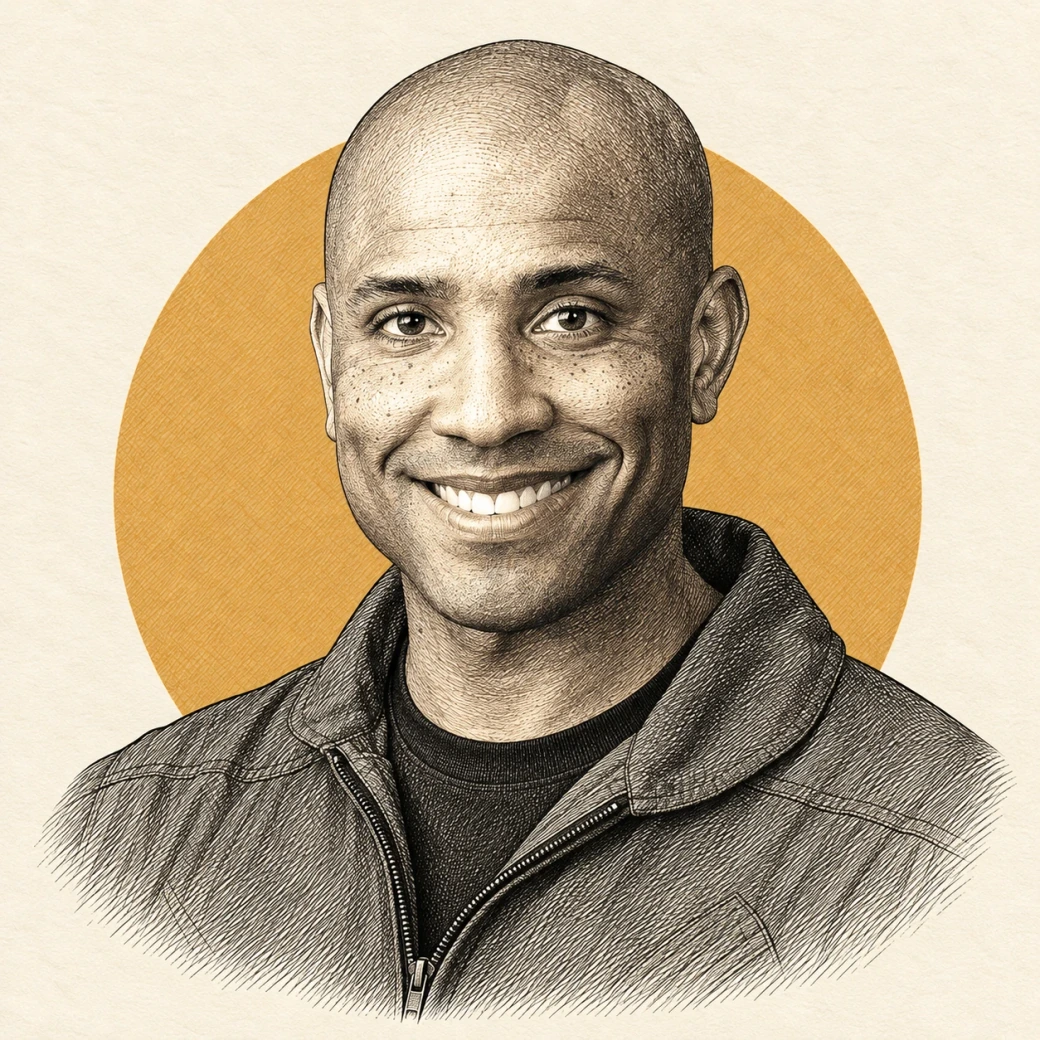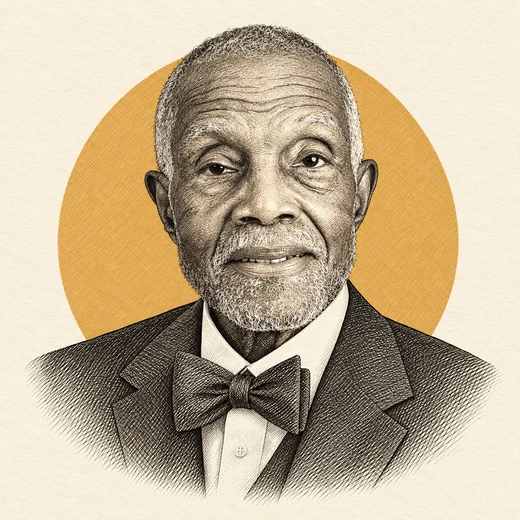
Roy Lee Clay Sr. was a Black American technologist who lived from 1929 to 2024. Raised in Missouri, he earned a mathematics degree at Saint Louis University before building a career in computing, a field that was barely an industry when he entered it.
Dave Packard, Hewlett-Packard's co-founder, recruited Clay to the company in 1965. A founding member of the company's first computer division, Clay led the team that designed the HP 2116A and wrote its software. The project helped establish HP's computer business through the combined work of its engineers and programmers, in an era when computers were moving from laboratories into commercial use.
Clay also used his senior position to challenge discrimination and expand opportunities for Black technical talent. His public service included membership on the Palo Alto City Council and service as vice mayor, civic roles that placed him in the government of the city at the center of Silicon Valley.
In 2022, he published a memoir, Unstoppable, recounting his path into the technology industry. His family confirmed his death in September 2024.
When Clay finished his mathematics degree, electronic computers filled rooms and were programmed by small groups of specialists. At HP, the assignment was to help a company known for instruments enter a business it had never had: computers. The HP 2116A connected HP's instruments to computer control, letting engineers automate measurements that had been read by hand, and the division Clay helped found grew into a lasting part of the company's business.
The HP 2116A shipped in 1966 and became the foundation of HP's computer line, and Clay later led the company's computer operations in Fort Collins, Colorado, helping grow a business that had not existed a decade earlier.
His career bridged the era when computing moved from specialized laboratories to a mass industry, and his insistence on expanding opportunity made him an institution-builder in Silicon Valley's early years.
The division he helped lead in Fort Collins developed HP's early computer line, turning a one-machine project into a continuing business, and Packard's personal recruitment of Clay in 1965 became a story the industry would retell.