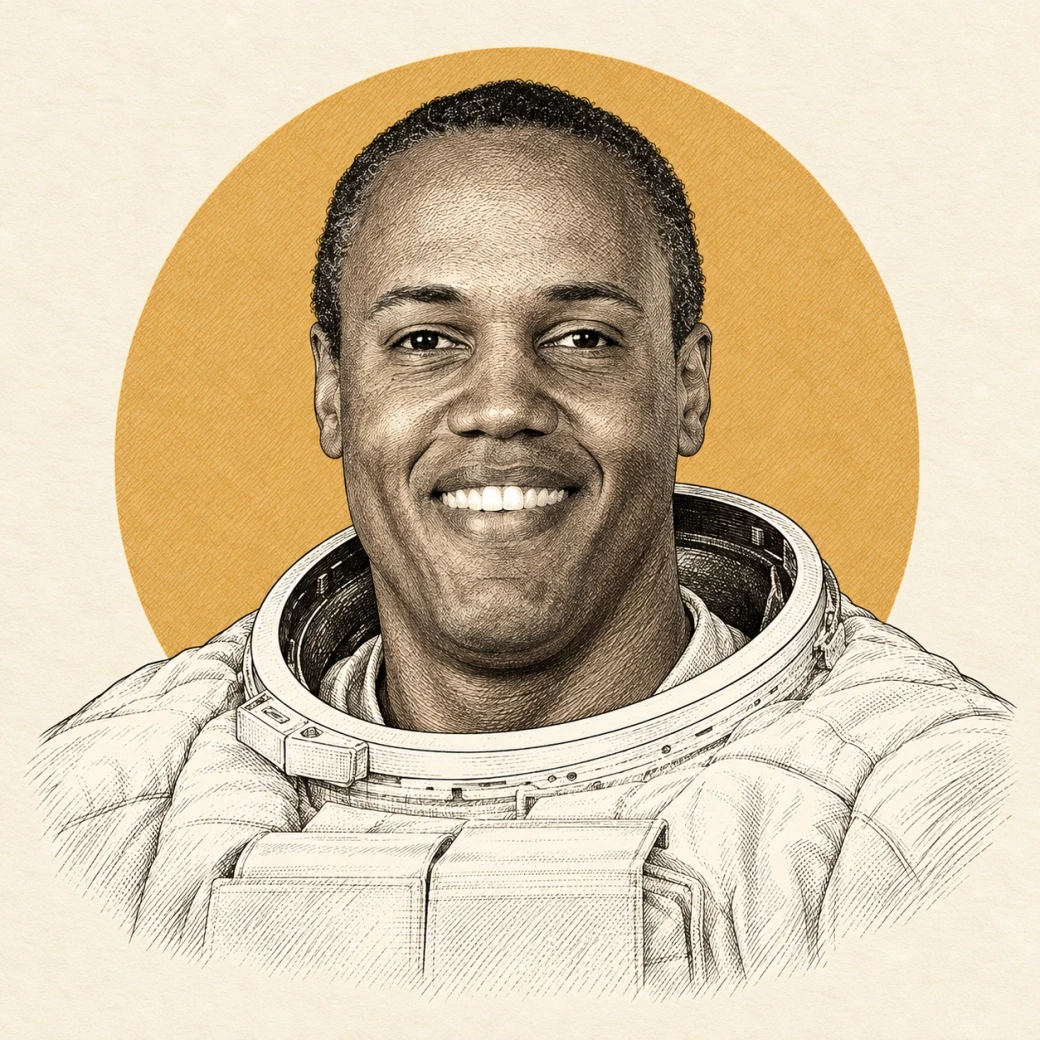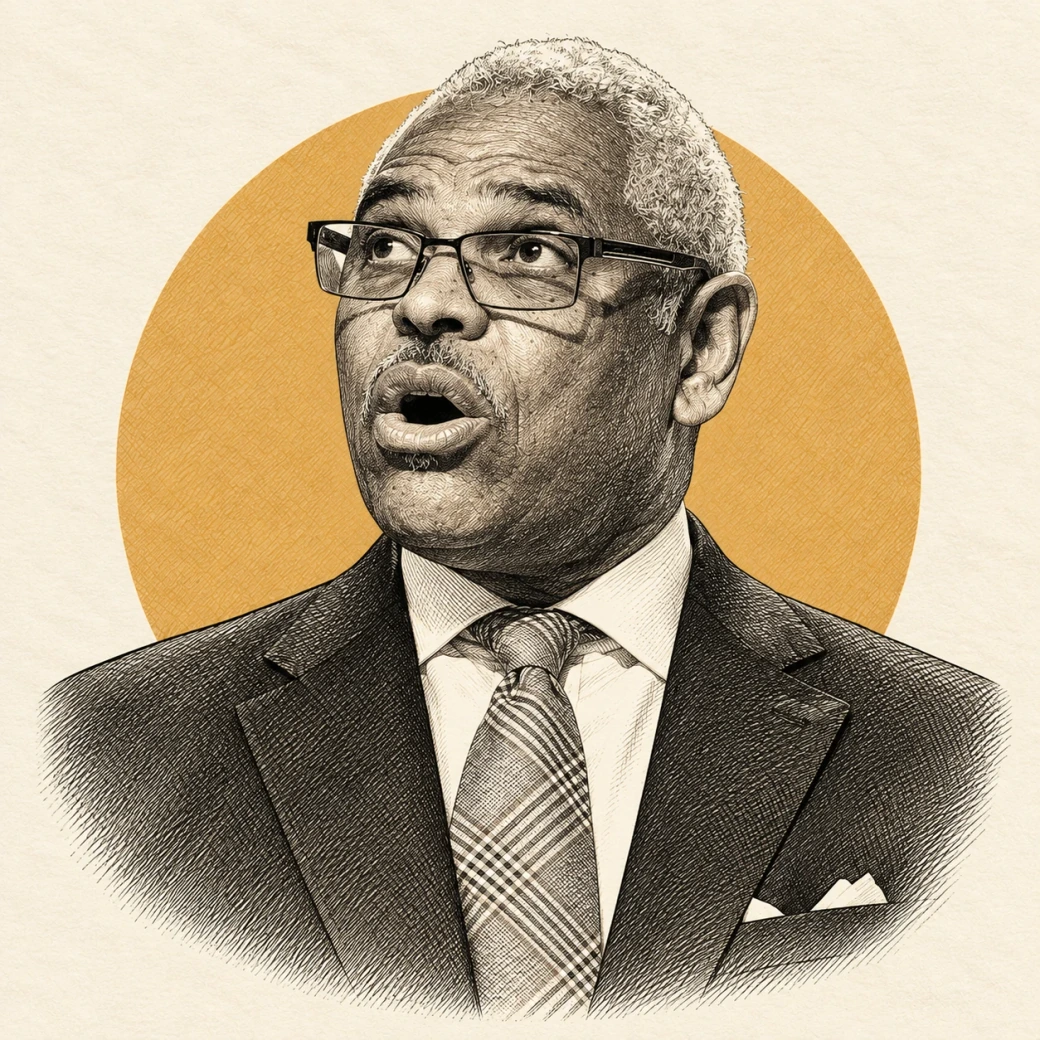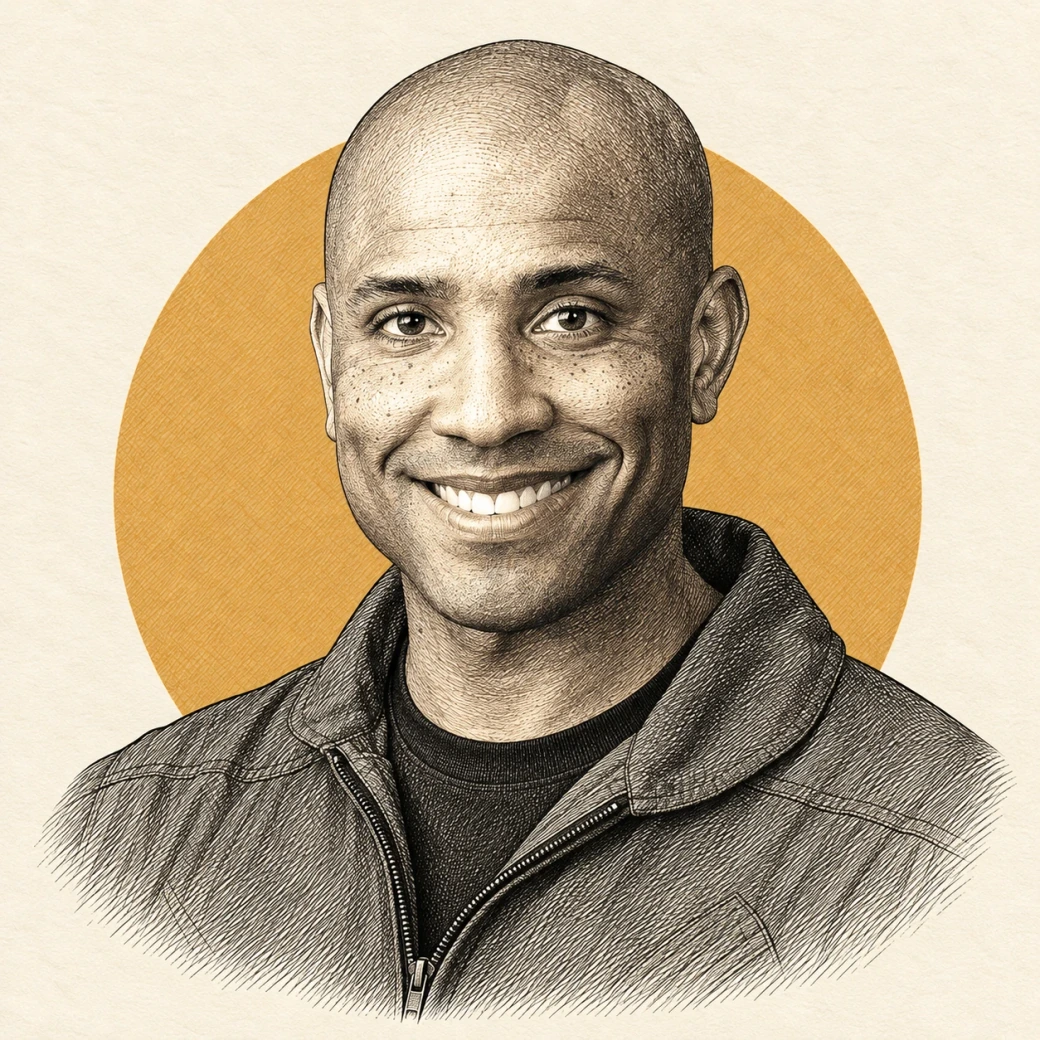
On April 1, 2026, a Space Launch System rocket rose from Launch Pad 39B at Kennedy Space Center carrying the Orion spacecraft Integrity and four astronauts: NASA's Reid Wiseman in the commander's seat, NASA pilot Victor J. Glover Jr., NASA's Christina Koch and Canadian Space Agency astronaut Jeremy Hansen. Artemis II flew around the Moon and back, the first crewed flight beyond low Earth orbit since 1972. The crew splashed down off the coast of San Diego on April 10, 2026, after a journey of nearly ten days that took them 252,756 miles from Earth at their farthest point.
Six years earlier, Glover had piloted a different kind of first. On November 15, 2020, he launched as pilot of Resilience, the Dragon spacecraft flying NASA's SpaceX Crew-1, the first post-certification flight of a commercially built crew vehicle to the International Space Station. Resilience docked with the station two days later. Glover served as a flight engineer for Expedition 64/65 and spent 168 days in orbit, completing four spacewalks along with the expedition's scientific and maintenance work. When he came aboard the station, he became the first Black astronaut to begin a long-duration stay there as part of the expedition crew.
Glover was born in Pomona, California, in 1976 and graduated from Ontario High School in 1994. He studied general engineering at California Polytechnic State University in San Luis Obispo, competing in wrestling and football as a student-athlete, and graduated in 1999.
The Navy came next. He earned his wings in December 2001, flew the F/A-18 Hornet with a strike fighter squadron in Oceana, Virginia, and completed the final deployment of the aircraft carrier John F. Kennedy in support of Operation Iraqi Freedom. Chosen as the Navy's exchange pilot to attend the U.S. Air Force Test Pilot School, he flew more than 30 aircraft in the United States and Italy during the yearlong course and was designated a test pilot in June 2007. He then tested weapons systems on the Hornet, the Super Hornet and the EA-18G Growler at China Lake, California, later served as a department head with a squadron based in Japan and deployed three times in the Pacific. Across his flying career, he accumulated more than 4,000 flight hours in over 40 aircraft, more than 400 carrier arrested landings and 24 combat missions. His master's degrees arrived along the way: flight test engineering in 2007, systems engineering from the Naval Postgraduate School in 2009 and military operational art and science in 2010.
In 2012, while serving as a legislative fellow in the U.S. Senate, he was selected as one of eight members of NASA's 21st astronaut class. He completed astronaut candidate training in 2015, then served as a spacecraft communicator and in other astronaut office roles. NASA assigned him to Crew-1 in 2018 and named him Artemis II pilot in 2023; in between, he served as the Human Landing Systems crew representative and as the Astronaut Office's Assigned Crew Branch Chief.
Artemis II carried the crew on a lunar flyby and sent home images of the Moon's far side. Glover's honors include the NASA Distinguished Service Medal, honorary doctorates from Howard University in 2024 and Cal Poly in 2025, and the Congressional Space Medal of Honor in 2026. In September 2026, he moved to emeritus status at NASA and returned to Cal Poly full time as a senior university leader, advising President Jeffrey D. Armstrong on strategy, partnerships and philanthropy. “My Learn by Doing experience at Cal Poly was the launch pad for my journeys around the world and the moon,” he said when the appointment was announced.