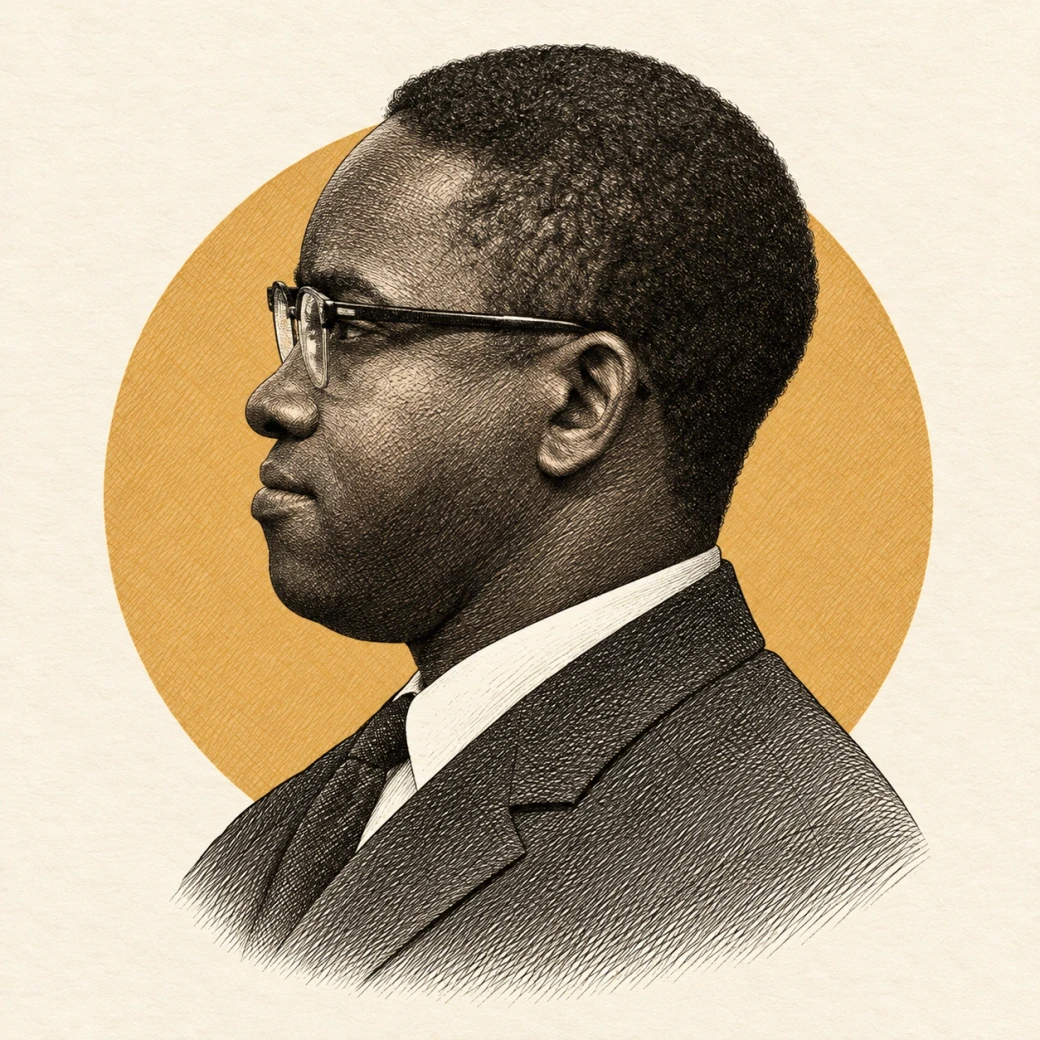
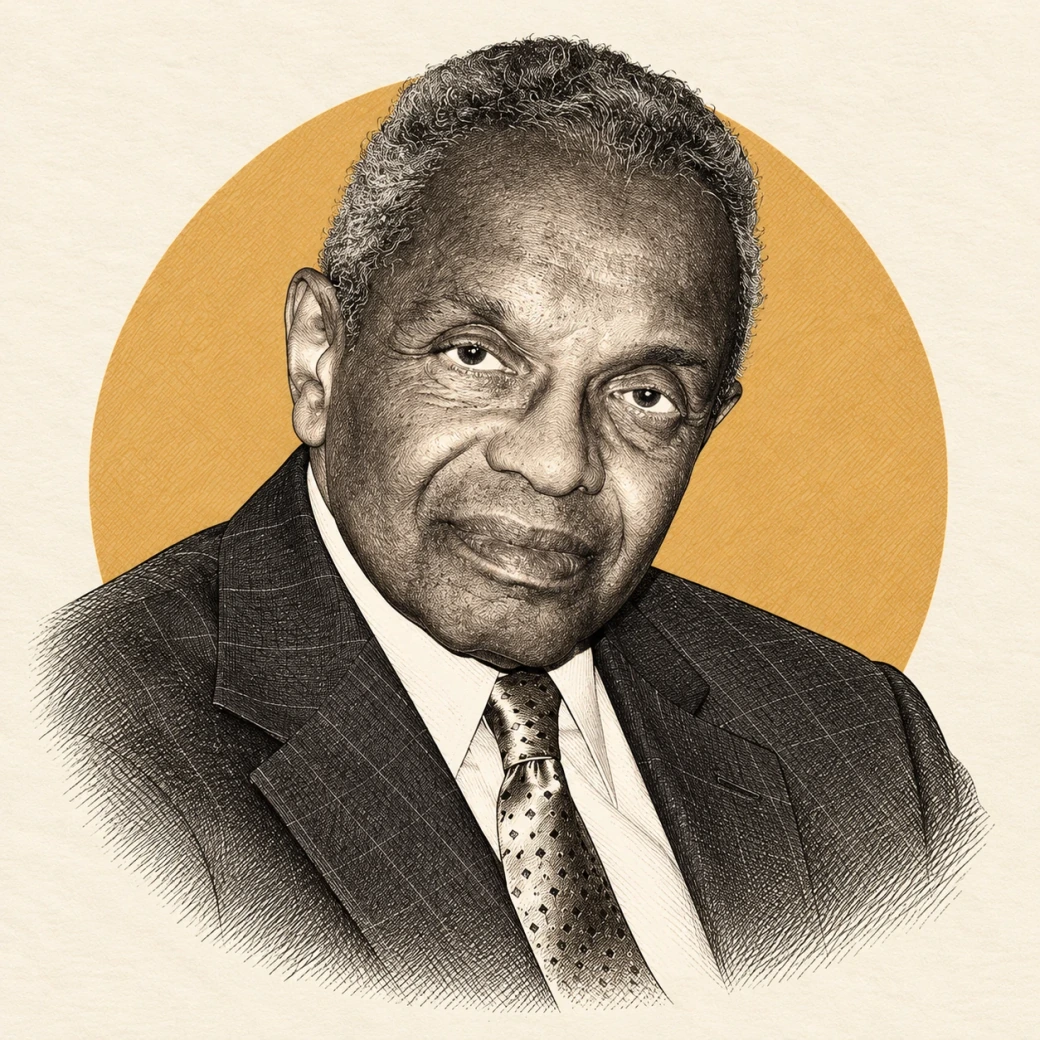
Samuel L. Myers Jr., born March 9, 1949, has built a career studying racial inequality through economics. The University of Minnesota identified him among Black economists in a 2022 honors announcement, and his research has examined questions ranging from faculty representation in science and technology to differences in grocery costs and drowning rates.
He followed his father into the profession. His father, Samuel L. Myers Sr., was one of the first African Americans to receive a doctorate in economics from Harvard. The younger Myers earned his bachelor's degree at Morgan State University in 1971 and his economics doctorate at MIT in 1976. His work has included teaching at the University of Texas at Austin, the University of Pittsburgh and the University of Maryland, as well as service as a senior economist at the Federal Trade Commission and an earlier post as an economist at the U.S. Department of Labor. He became Minnesota's Roy Wilkins Professor of Human Relations and Social Justice in 1992 and directs the Roy Wilkins Center for Human Relations and Social Justice at the Humphrey School of Public Affairs. Colleagues describe him as a pioneer in the use of applied econometric techniques to examine racial disparities and discrimination.
Those techniques have reached concrete subjects. His studies have used applied econometrics to examine racial disparities in crime, to detect illegal discrimination in credit markets and to measure underrepresentation of faculty of color in STEM fields, work that turns questions about discrimination into measurable claims.
Alongside research, Myers has mentored underrepresented and first-generation doctoral students. His scholarship includes collaborative work: he co-authored Faculty of Color in Academe with Caroline S. Turner, and his recent co-authored book Race Neutrality examines the limits of race-neutral policy approaches. The American Academy of Political and Social Science named him its 2024 Rebecca Blank Fellow, recognizing a career joining economic methods with questions of social justice. In 2017, he received the SAGE Activist-Scholar Award, chosen unanimously by the award's nominating committee.