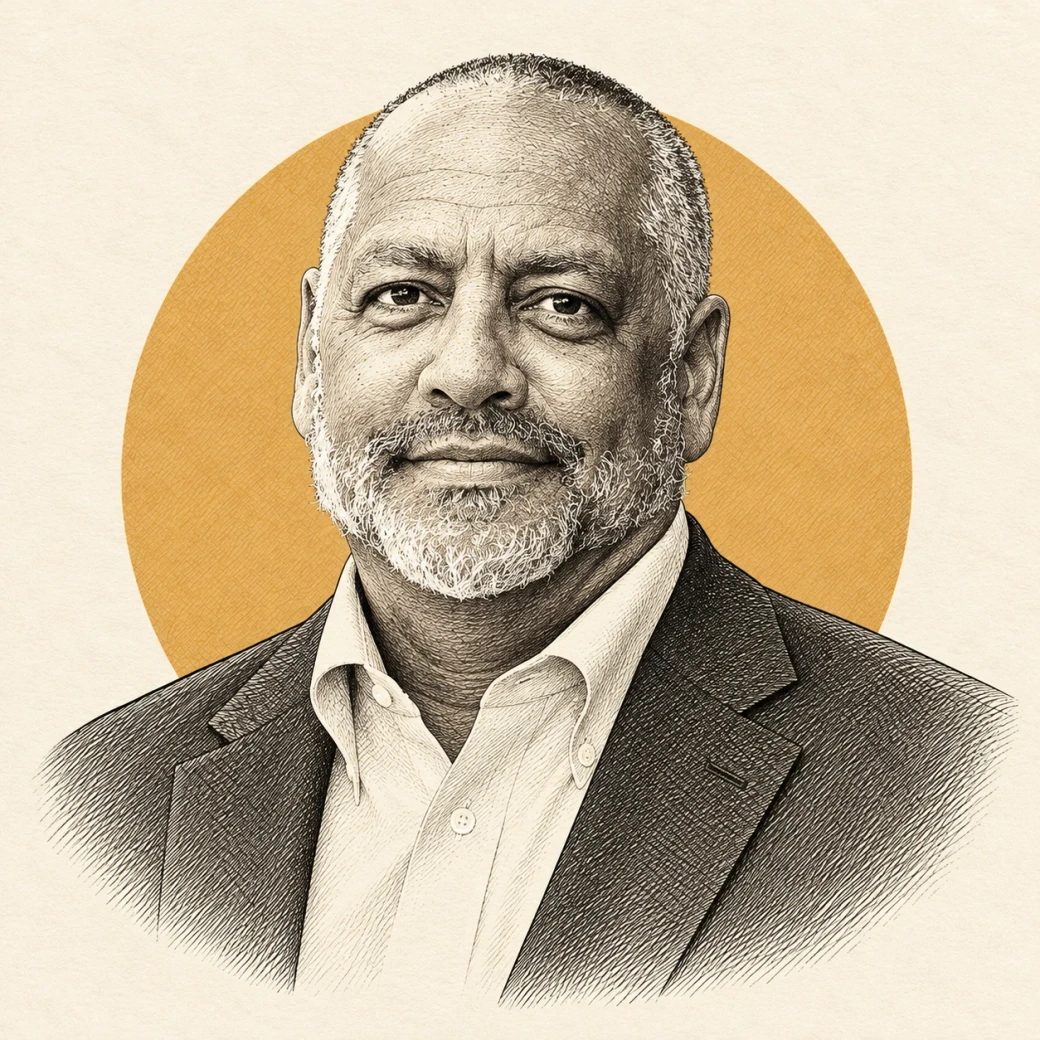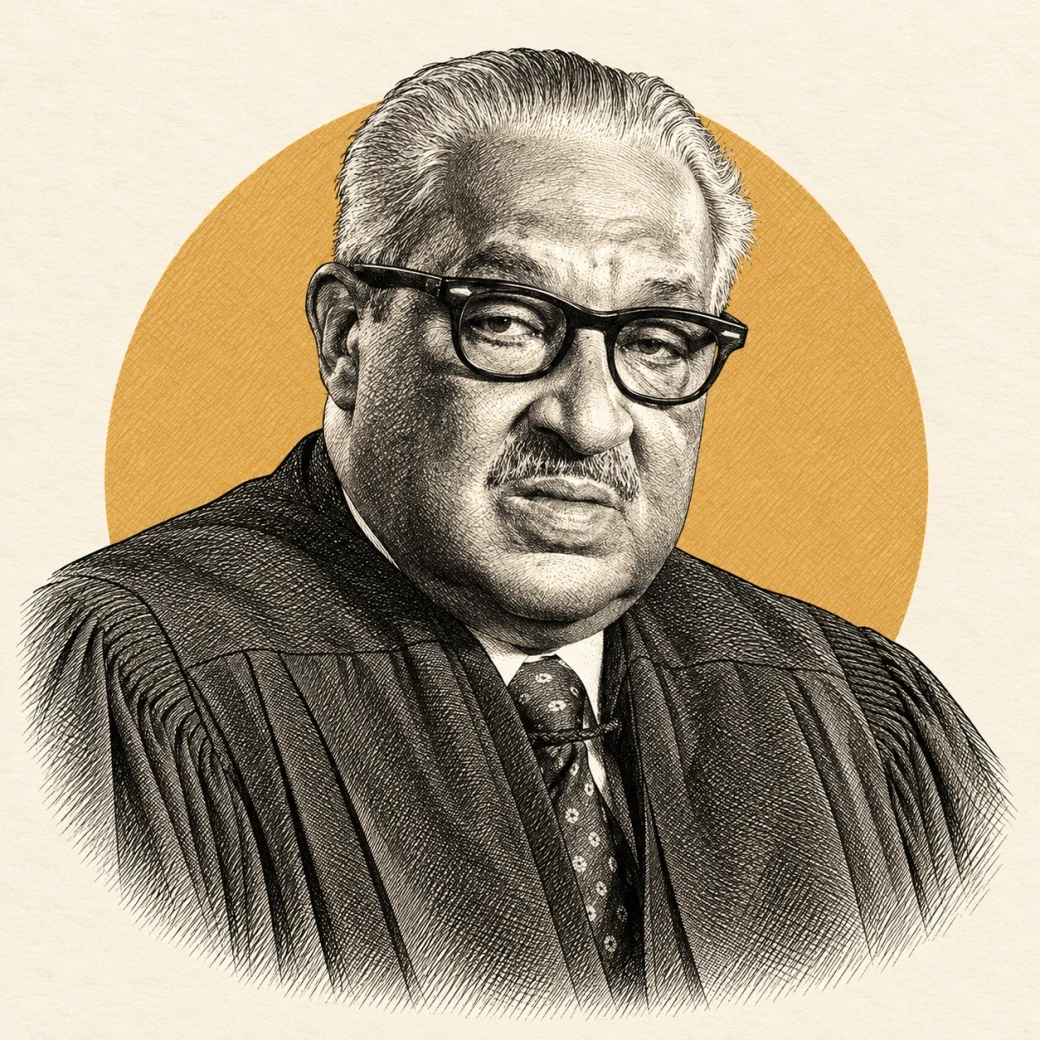
Thurgood Marshall was born in Baltimore in 1908. His mother, Norma, was a teacher, and his father, William, worked as a country-club steward. His grandfather Thorney had escaped enslavement. Marshall's family history and education preceded a legal career that would repeatedly confront the boundaries imposed on Black Americans.
He graduated from Lincoln University in 1930 and pursued law at Howard University, where he finished first in his class in 1933. Maryland's segregated law school was closed to Black students. At Howard, Charles Hamilton Houston became his mentor and encouraged students to use legal training to challenge discrimination. Marshall returned to Baltimore and opened a practice after graduation.
He soon helped bring a successful challenge to the institution that had excluded Black applicants. In *Murray v. Pearson*, he worked with Houston on behalf of a Black applicant denied admission to the University of Maryland's law school. Marshall joined the NAACP staff in 1936. In 1940, he founded its Legal Defense and Educational Fund and became the organization's first director-counsel.
His litigation addressed several mechanisms of racial exclusion. *Smith v. Allwright* challenged white-only primary elections; *Shelley v. Kraemer* challenged judicial enforcement of racial restrictions on housing. These cases formed part of a sustained legal campaign, with different plaintiffs, arguments and institutional settings. The NAACP records that Marshall won 29 of the 32 cases he argued before the Supreme Court.
Marshall argued the school-segregation challenge in *Brown v. Board of Education*. In 1954, the Supreme Court held that segregated public educational facilities were inherently unequal. His work belonged to a larger effort involving fellow attorneys and the people whose cases reached the courts.
President John Kennedy appointed Marshall to the Second Circuit in 1961. President Lyndon Johnson named him solicitor general in 1965, and Marshall became the first African American to hold that office. In 1967, he became the first Black Supreme Court justice. He served until 1991, supporting civil rights and opposing capital punishment. He died in January 1993 and was buried at Arlington National Cemetery.