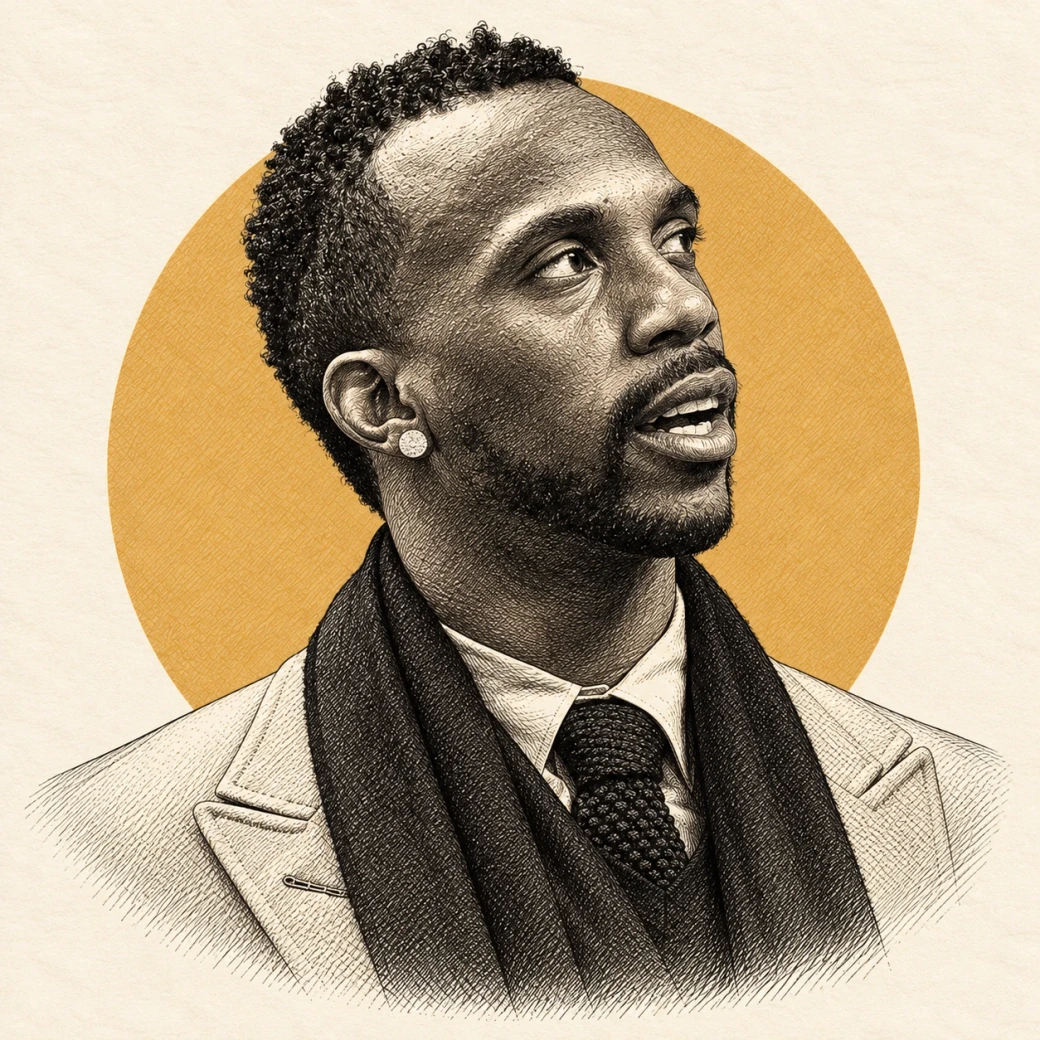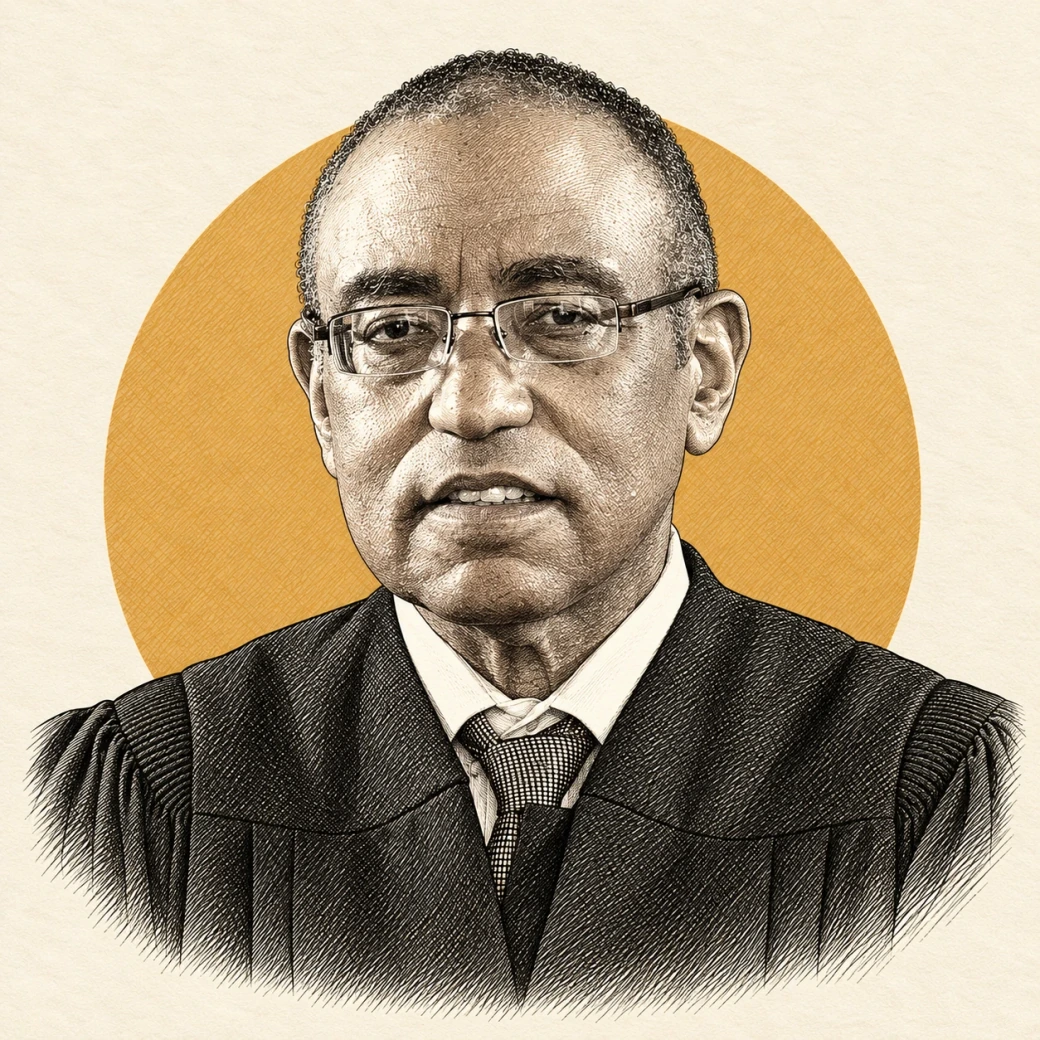
Tommie Smith was born in Clarksville, Texas, in 1944. At San Jose State, he trained with sprint coach Bud Winter and became a leading collegiate runner. USA Track & Field records his 1967 NCAA title in the 220-yard event. He reached the Olympic podium through competitive achievement before the public moment that made him known far beyond track.
At the 1968 Mexico City Olympics, Smith won the 200 meters in 19.83 seconds, a world record. John Carlos, another American sprinter, won bronze, and Australia's Peter Norman won silver. During the medal ceremony, Smith and Carlos raised black-gloved fists while the United States national anthem played, placing the struggle over racial injustice before an international audience.
Norman supported the protest and wore an Olympic Project for Human Rights badge. San Jose State's account explicitly identifies Smith and Carlos as African American athletes.
The response had immediate consequences. The Equal Justice Initiative records that Smith and Carlos were ordered to leave the Olympic Village two days after the October 16 ceremony and faced hostile coverage and death threats. They kept their medals.
Smith's working life continued beyond that ceremony. USA Track & Field describes three seasons with the Cincinnati Bengals and later positions in higher education, including athletic director at Oberlin College and track coach and sociology professor at Santa Monica College.
Public recognition also changed over time. In 2005, San Jose State installed Rigo 23's sculpture *Victory Salute*, whose empty silver-medal step invites visitors to stand with the figures of Smith and Carlos in honor of Norman's support. In 2019, Smith entered the U.S. Olympic & Paralympic Hall of Fame.