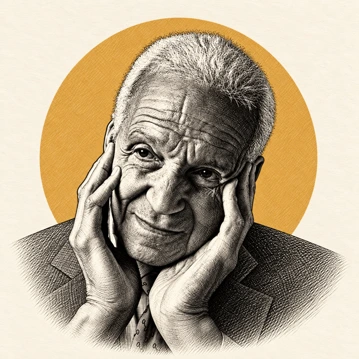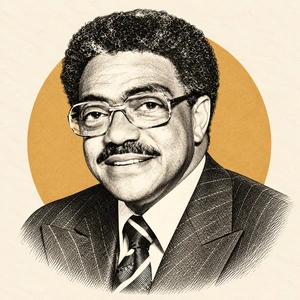
William B. Lawson has advocated for people with severe mental illness to get the care they need. In Austin, he helped implement RAISE, the Recovery After an Initial Schizophrenia Episode program, a coordinated treatment model designed to start care early, when intervention can change the course of the illness. The program ran through Austin Travis County Integral Care, one of the community mental-health centers where many patients first encounter the system.
Lawson's own training was long and layered. He earned a psychology doctorate at the University of New Hampshire and a medical degree at the University of Chicago. He trained in psychiatry at Stanford and completed a clinical psychopharmacology fellowship at the National Institute of Mental Health. He is a Distinguished Life Fellow of the American Psychiatric Association.
His research and clinical work have addressed racial and ethnic disparities in treatment, including the mental-health needs of veterans in the VA system. His later roles included chairing psychiatry and behavioral sciences at Howard University, where a predominantly Black patient population and a training mission for Black physicians came together, and leading community health programs at Huston-Tillotson University.
Professional leadership ran alongside the clinical work. A former president of Black Psychiatrists of America, he also chaired the National Medical Association's psychiatry section and founded the Institute for Reducing Disparities. He received the American Psychiatric Association's Jeanne Spurlock Award in 2002 and its Solomon Carter Fuller Award in 2014, the latter named for the pioneer Black psychiatrist whose career opened paths Lawson's generation walked through.
In 2023, Howard Magazine reported that he had been named president of Senior Psychiatrists Inc. and was serving as a clinical professor at George Washington University. Dell Medical School lists him as a retired professor emeritus.
Black Enterprise magazine named him among "America's Leading Black Doctors," the Veterans Administration gave him a Multicultural Workplace Award, and the National Alliance on Mental Illness named him a national mentor for his work with families affected by severe mental illness. Within the American Psychiatric Association, he chaired the Committee of Tellers, and he served as treasurer of the American Orthopsychiatric Society and on the scientific advisory boards of mental-health consumer organizations.