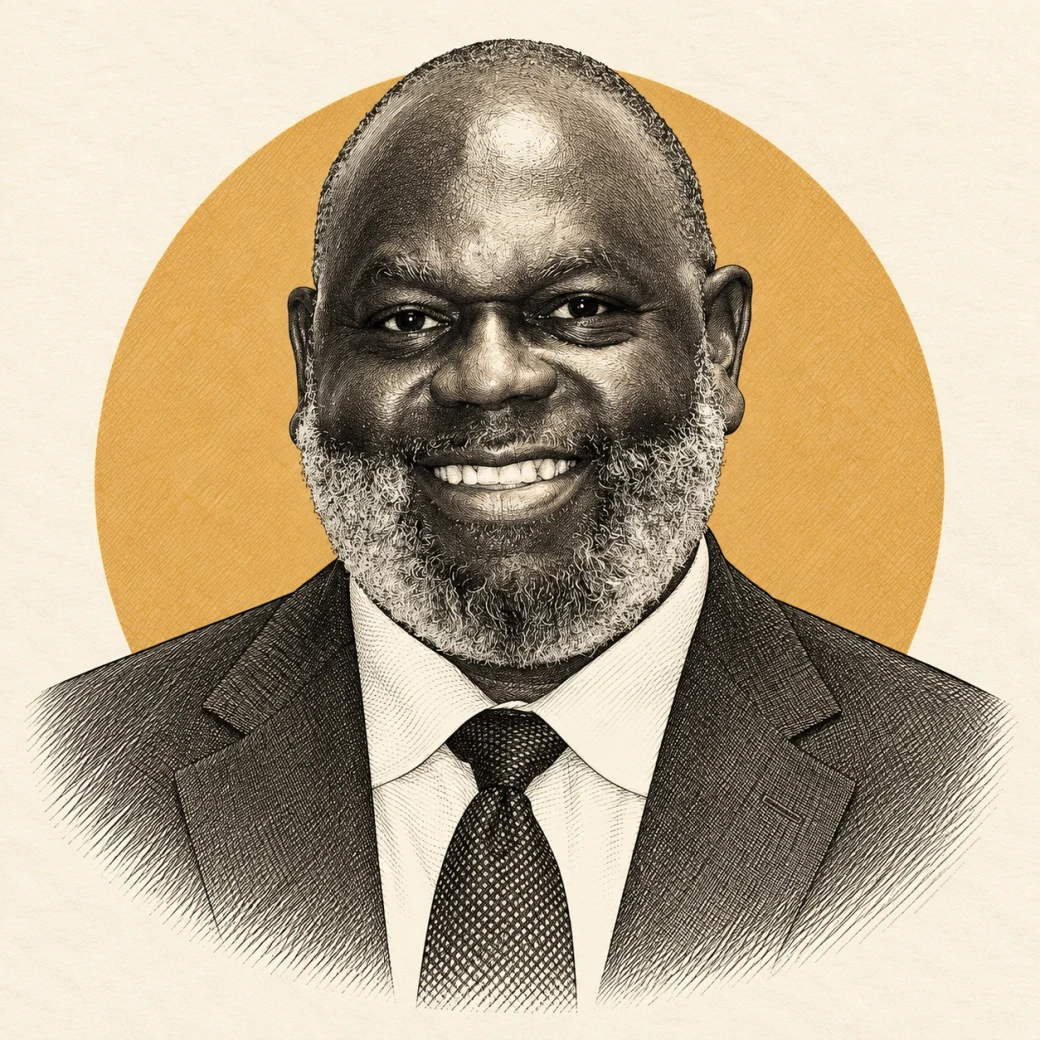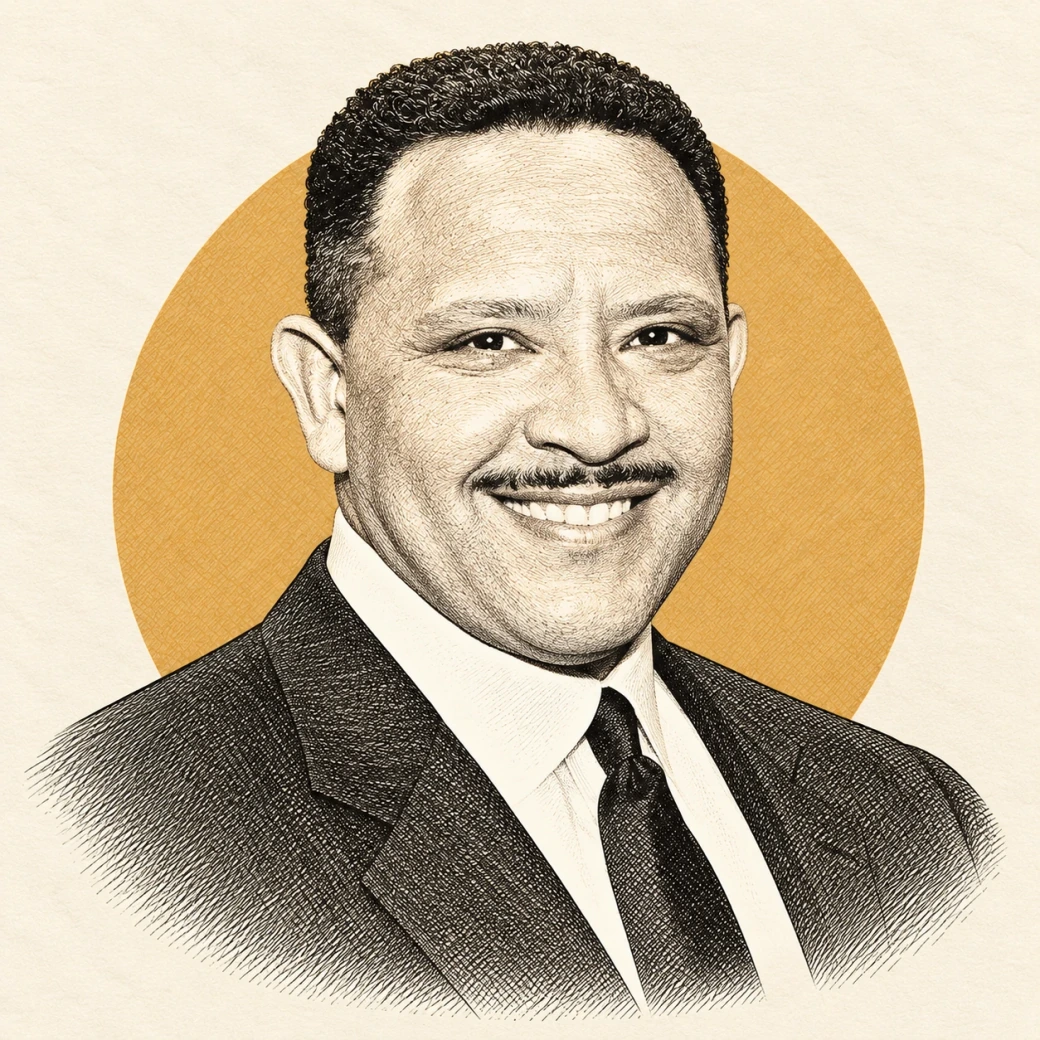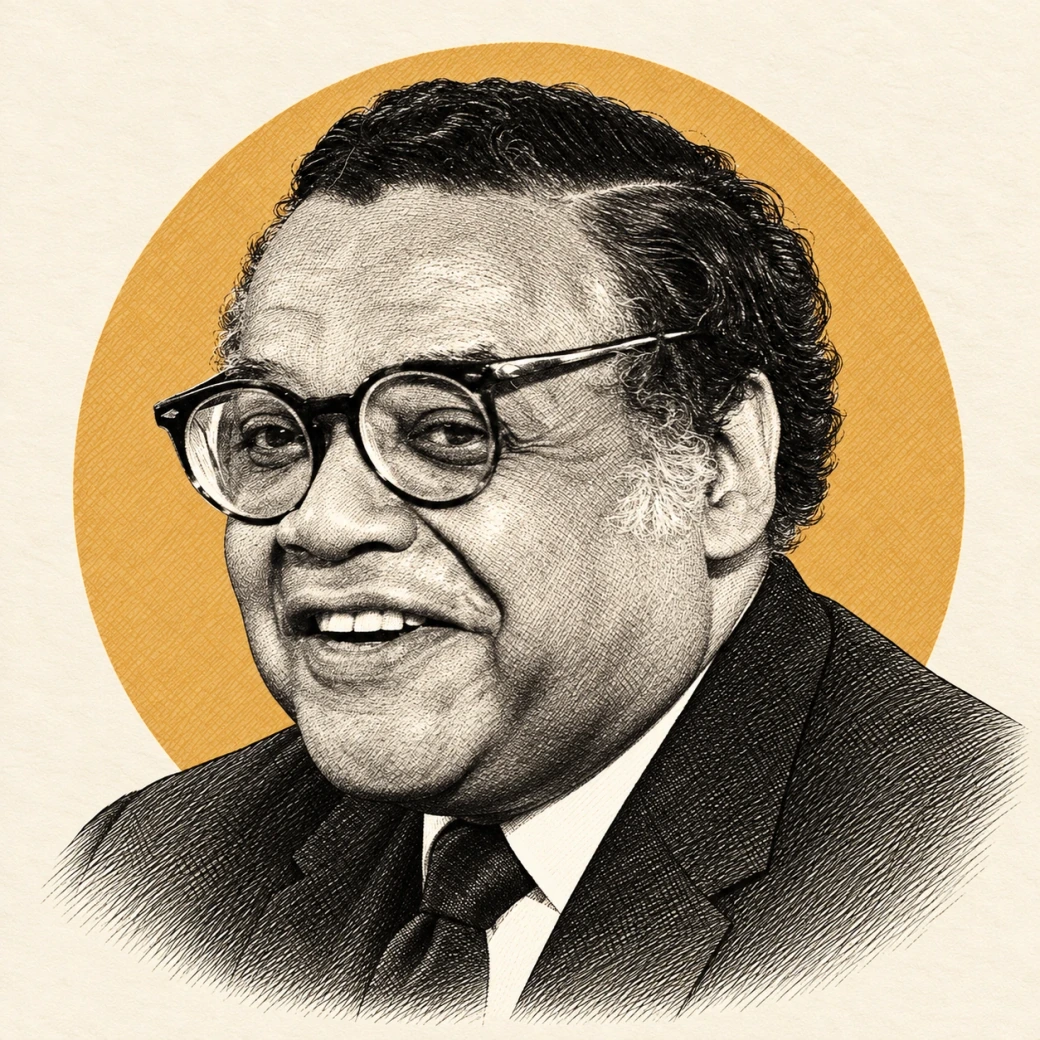
When William T. Coleman Jr. became transportation secretary on March 7, 1975, Justice Thurgood Marshall administered his oath. The two had worked together years earlier: in 1954, Coleman was one of the lead strategists and co-authors of the legal briefs in Brown v. Board of Education, and he coordinated the research effort across 37 states that produced the five cases decided together in that ruling.
Coleman was born in Philadelphia in 1920 and entered Harvard Law School in 1941, interrupting his studies for military service before graduating in 1946. He clerked for federal appeals judge Herbert Goodrich and then for Supreme Court Justice Felix Frankfurter, becoming the first African American to clerk at the Court. In the 1960s, he served as a staff lawyer for the Warren Commission investigating President John F. Kennedy's assassination, where he impressed Commission member Gerald Ford. Years later, as president, Ford remembered him when choosing a transportation secretary. Coleman was the second African American to hold a Cabinet post, after Robert C. Weaver at Housing and Urban Development.
He brought transportation experience to the job: legal counsel to Cincinnati and Philadelphia as those cities acquired their private transit systems, special counsel to SEPTA in Philadelphia and a directorship at Pan American World Airways. As secretary, he laid groundwork for deregulating the transportation industry and approved landing rights for the Concorde. He recorded his career in an autobiography, Counsel for the Nation: Shaping the Law to Realize America's Promise, written with Donald T. Bliss and published in 2010.
His most consequential work involved redirecting highway money to transit. Using a 1973 law that let states withdraw controversial Interstate segments and redirect the equivalent federal money, he worked with local officials to move the first such transfer to Washington's Metro system in October 1975, providing $286 million; approvals through 1983 ultimately brought Metro nearly $2 billion. In January 1977, he approved a four-lane I-66 plan with space for Metro in its median and restrictions favoring high-occupancy vehicles. He received the Presidential Medal of Freedom in 1995 and died on March 31, 2017.