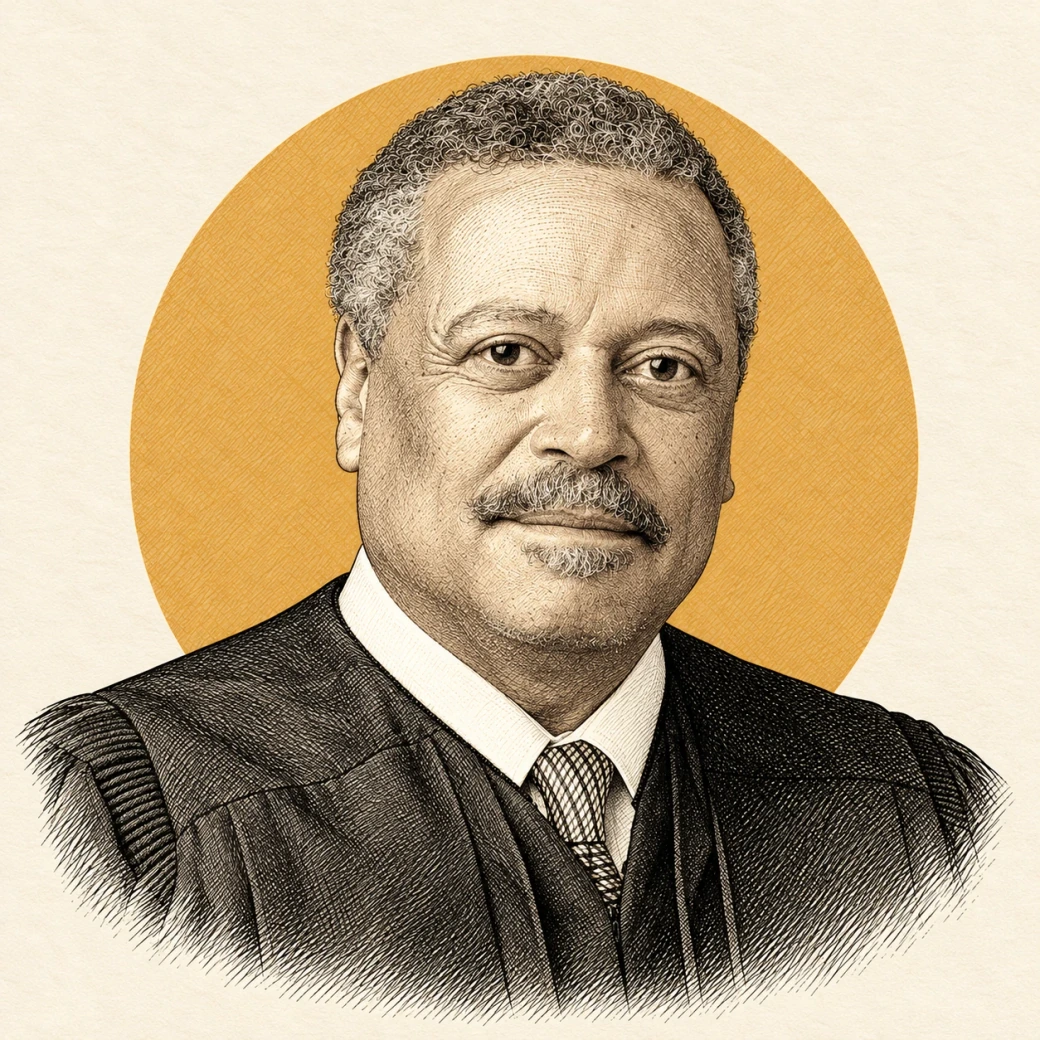
Carlton W. Reeves went to Virginia for law school with a plan to return to Mississippi. "This is my Mississippi, and I don't want anyone to make my Mississippi one I cannot be proud of," he told the University of Virginia magazine. He had grown up in Yazoo City, where his family lived modestly; his one regret from those years, he said, was never learning the saxophone because he did not want to strain the family budget. Born in 1964, he entered first grade in 1970 as one of the first Mississippi children to attend public school without legally segregated classrooms. Integration, he recalled, generally went no further than the schoolhouse door: summer leagues and social life remained divided. As a teenager, he worked on local voting-rights campaigns.
At Jackson State University, his professors became role models, and a pre-law adviser, Charles Holmes, encouraged him and other students to apply to the best schools possible. Reeves graduated in 1986 and finished law school in Virginia in 1989. During law school he spent one summer with the ACLU of Mississippi and another at Ferguson, Stein, Watt, Wallas & Adkins, the Charlotte firm Julius Chambers had built into a model of civil-rights practice. He returned home to clerk for Mississippi Supreme Court Justice Reuben V. Anderson, the first Black justice to serve on that court, who he said took a chance on him without prior connections.
Reeves joined the U.S. Attorney's Office for the Southern District of Mississippi as chief of its Civil Division, working under U.S. Attorney Brad Pigott beginning in 1995. In 2001, the two founded the racially integrated firm Pigott Reeves Johnson & Minor. Their clients included corporations and universities as well as individuals and groups bringing claims; Reeves described the practice as a way of changing people's lives rather than only making money.
President Barack Obama nominated Reeves to the federal district court in 2010, making him the second African American appointed to a federal judgeship in Mississippi, and he took office that December. His rulings included the state's same-sex marriage case and the hate-crime sentencing of three of the young white defendants who killed James Craig Anderson, a Black man run down with a truck while they shouted "white power." Reeves's sentencing remarks in that case drew national attention. In 2022, he became chair of the U.S. Sentencing Commission, the agency that sets sentencing guidelines and policy for the federal courts.