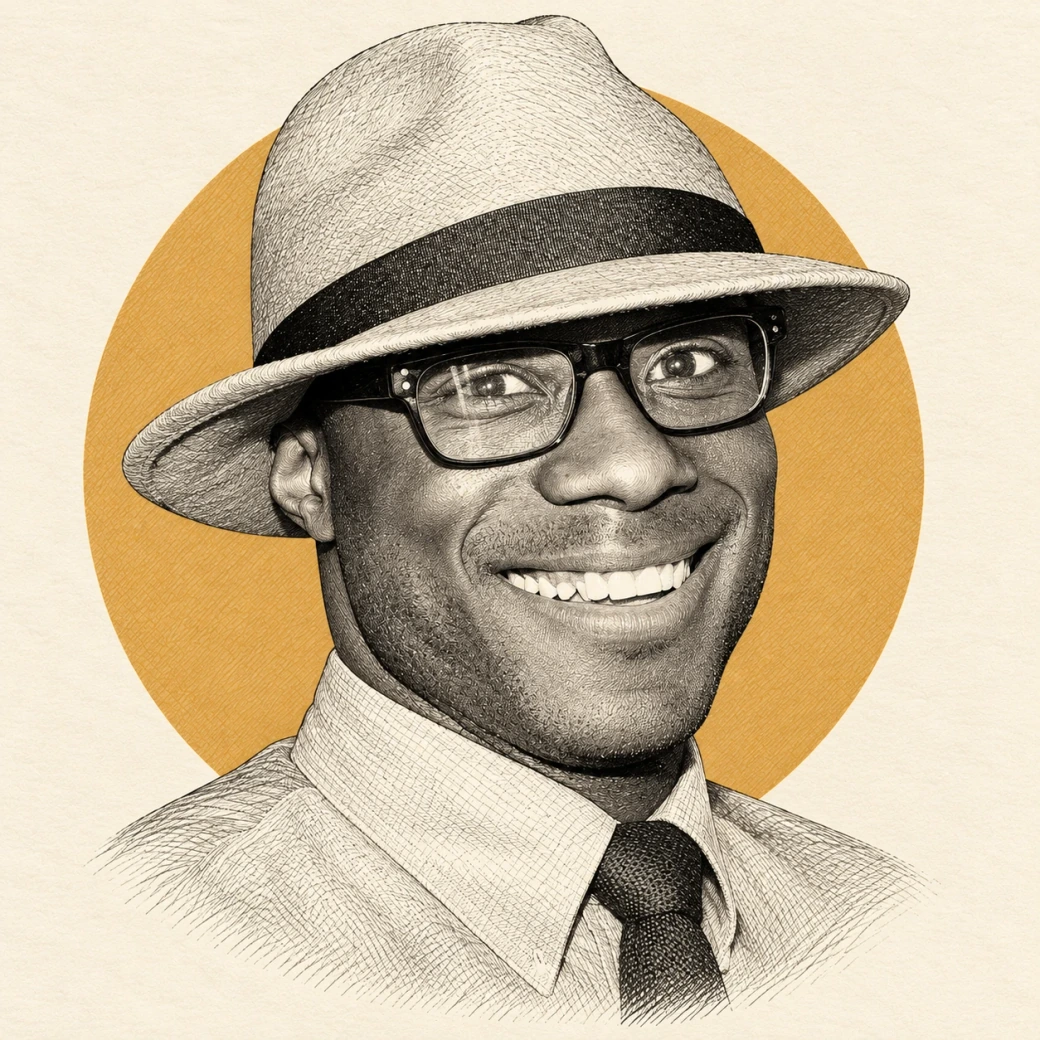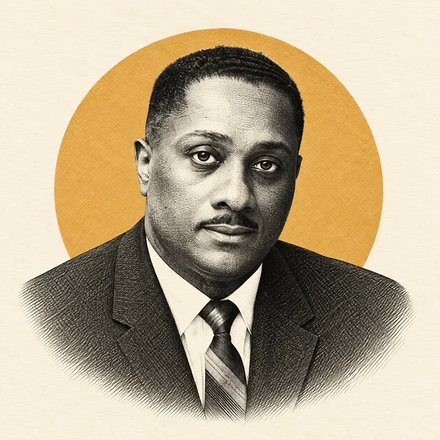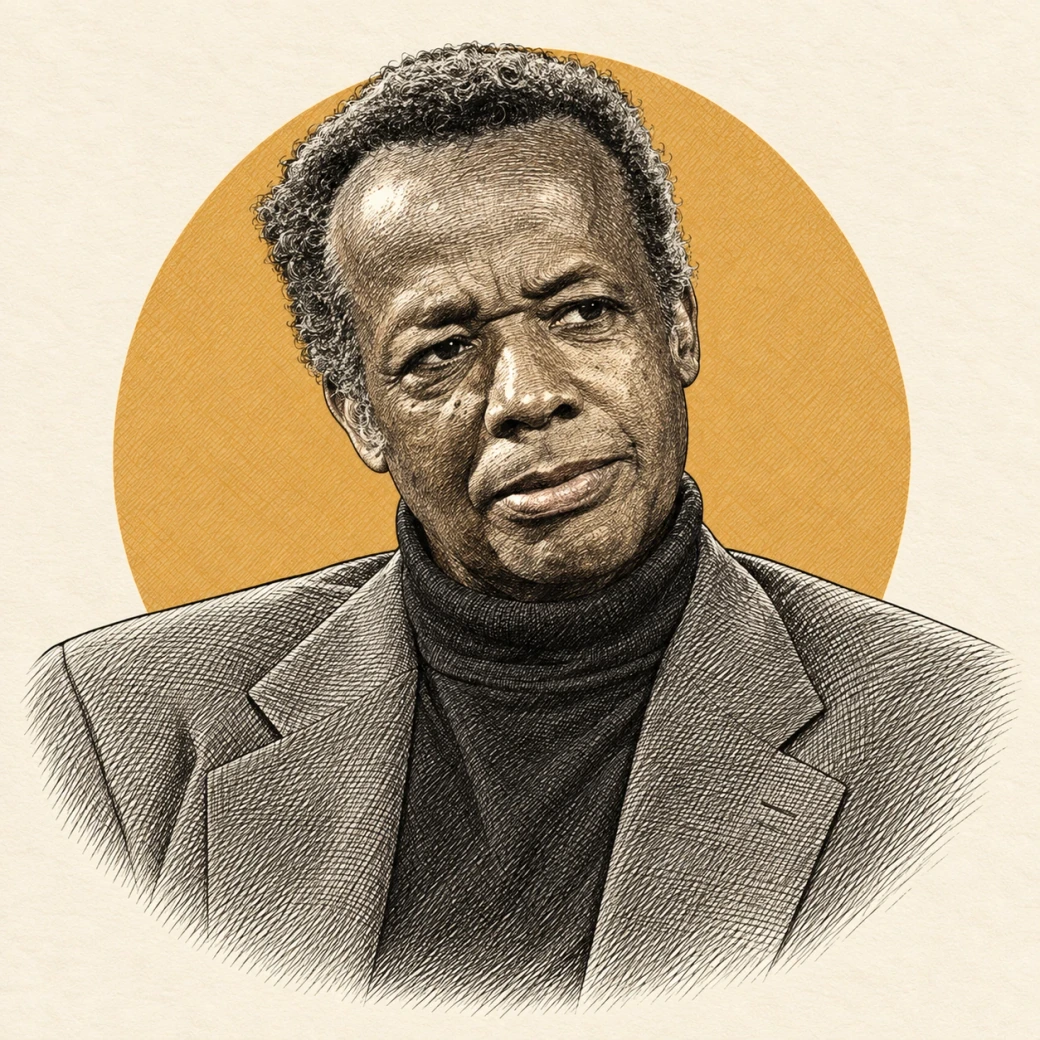
William Greaves (October 8, 1926 to August 25, 2014) was an African American filmmaker whose career began in performance. Raised in Harlem and trained at the Actors Studio, he worked as an actor, dancer and songwriter before moving behind the camera. In recollections discussed by the International Documentary Association, he connected that shift with his refusal to accept demeaning screen roles.
Greaves moved to Canada in 1952 and worked at the National Film Board. He directed and edited Emergency Ward, a documentary released there in 1959, a frank portrait of daily operations inside the Montreal General Hospital’s emergency ward. After returning to New York in 1963, he worked in television and independent film. As executive producer of Black Journal, the public-television series oriented toward Black audiences, he won an Emmy in 1969, and his documentary Still a Brother: Inside the Negro Middle Class earned an Emmy nomination.
His most experimental work, Symbiopsychotaxiplasm: Take One, filmed in 1968 in Central Park and released in 1971, is a film-within-a-film in which Greaves broke the accepted rules of narrative and documentary cinema, layering crews, arguments and performances on top of one another. Decades later, Steven Soderbergh helped bring it to a wider audience, and in 2015 it joined the Library of Congress’s National Film Registry.
He also made historical films for the National Park Service: Frederick Douglass: An American Life and Booker T. Washington: The Life and the Legacy. The National Archives preserved and digitized these films and provided his wife, Louise, with digital copies and materials for his archive. Across a career of more than 200 documentary films and more than 70 international festival awards, Greaves built a record of Black life on screen that later filmmakers and archivists continue to draw on.